Wisdom Teeth Extraction: Signs You Need It and How to Prepare
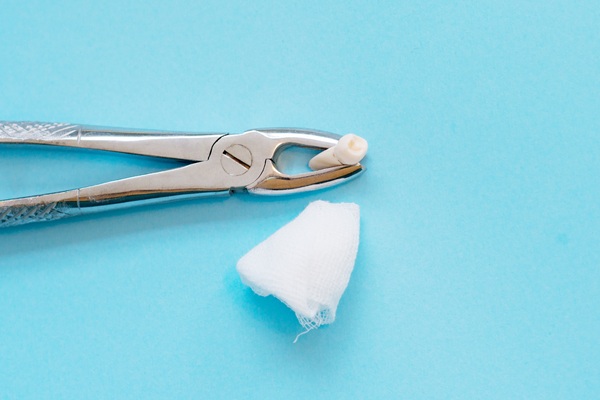
Wisdom tooth extraction is a common dental procedure to remove the third molars. These teeth typically emerge between late adolescence and early adulthood. While some individuals experience no issues and keep their wisdom teeth, others encounter pain, infection, or misalignment as these teeth develop and begin to erupt. Knowing the signs that indicate the need for and how to prepare for the procedure can lead to a smoother recovery and prevent future oral health issues.
Common signs that indicate the need for wisdom teeth extraction
Persistent pain or discomfort
Pain near the back of the patient's mouth is one of the most common symptoms of impacted or misaligned wisdom teeth. This discomfort often occurs when the tooth presses against adjacent molars or becomes trapped beneath the gum line. Over time, the pain can radiate to the jaw or ear, making it difficult for the patient to chew or fully open their mouth.
Swelling and gum inflammation
The gum tissue that surrounds erupting wisdom teeth may become red, swollen, and tender. Inflammation occurs when bacteria accumulate in the soft tissue pocket around a partially erupted tooth. If left untreated, this can progress into pericoronitis, a painful infection that may require antibiotics and extraction.
Jaw stiffness and difficulty opening the mouth
When wisdom teeth exert pressure on surrounding structures, stiffness or limited movement of the jaw can develop. This symptom may indicate that the teeth are impacted and angled. Chronic tension in the jaw muscles can also contribute to jaw and facial discomfort.
Shifting or crowding of teeth
The eruption of wisdom teeth may push existing teeth out of alignment, particularly if the patient previously completed orthodontic treatment. Crowding of the lower front teeth is a common result. Wisdom tooth extraction can help prevent the teeth from shifting and maintain a straight, even smile.
Recurring infections or bad breath
Partially erupted wisdom teeth often trap food particles and bacteria, leading to chronic bad breath or an unpleasant taste. This is also known as halitosis. The patient may also experience recurrent gum infections due to trapped debris.
Timing and wisdom teeth extraction
Delaying wisdom teeth extraction can increase the risk of complications. These risks include:
- Cysts
- Tooth decay in the surrounding teeth
- Tooth crowding
- Bone damage
- Misaligned bite
- Chronic migraines
In some cases, even asymptomatic wisdom teeth may require removal if X-rays reveal impaction, an angled growth pattern, or a risk to nearby teeth. Fortunately, early wisdom tooth removal often results in a faster recovery, as roots are not yet fully developed and the surrounding bone is less dense.
How to prepare for a wisdom tooth extraction
Preoperative consultation
Before the procedure, the dentist will conduct a comprehensive evaluation, including dental imaging and a review of the patient's medical history. This step takes any underlying conditions or medications into account before administering local anesthesia or other sedation options. Patients will typically need to avoid certain medications or supplements that can increase bleeding risk, such as blood thinners and anti-inflammatories.
Planning for anesthesia and recovery
Wisdom teeth extractions can be performed under local anesthesia, sedation, or general anesthesia, depending on the complexity of the case and patient preference. Arrangements should be made for assistance following the procedure, as sedation may cause drowsiness. Additionally, preparing a comfortable resting space at home with soft foods and cold compresses can further support a successful recovery.
Dietary and oral hygiene preparations
Dental professionals recommend that patients consume a soft diet for several days following extraction. Foods such as yogurt, soups, mashed potatoes, and smoothies minimize discomfort while chewing and prevent irritation of the surgical site. Proper oral hygiene, including gentle rinsing with salt water after the first 24 hours, promotes healing while reducing the risk of infection.
Additionally, patients should avoid using straws, as they can dislodge the blood clot and lead to a dry socket. This condition, also known as lveolar osteitis, is a painful dental emergency that can lead to severe discomfort and infection. The patient will need to return to the dentist for treatment.
Managing pain and swelling
After the procedure, swelling typically peaks within 48 hours. The patient can apply ice packs intermittently and take any prescribed pain medication as directed to alleviate discomfort. They should also avoid strenuous activity and keep their head elevated while resting to help reduce inflammation.
Find relief from problematic wisdom teeth
Wisdom teeth extraction is an essential procedure in maintaining your long-term oral health. Do you believe you need your wisdom teeth removed? Our team is here to help. Call our Las Vegas office today to learn more about our extraction services or to schedule a consultation.
Request an appointment here: https://aspiringsmileslasvegas.com or call Aspiring Smiles Dental and Braces at (702) 508-6699 for an appointment in our Las Vegas office.
Check out what others are saying about our dental services on Yelp: .
Related Posts
Dental emergencies can happen unexpectedly and lead to severe discomfort. When faced with sudden oral pain, injury, or infection, you should seek immediate care from an emergency dentist. The following framework outlines the typical processes and considerations you can expect from emergency dental care.An emergency dentist specializes in providing immediate dental care for unexpected issues…
Dental problems can happen at any time and often require immediate help to relieve pain and avoid potential complications. If you have urgent dental concerns, you might look for an emergency dentist or a same day dentist. Knowing the difference between these dental professionals can help you choose the best option for your needs.An emergency…
If you think you have a dental abscess, you should see an emergency dentist as soon as possible. An abscess is a dental infection that causes pus to collect in or around a tooth. Periodontal abscesses originate from the structures around the tooth, such as the jawbone or gums. Endodontic infections originate from inside the…
An implant dentist can help people who are missing one or more teeth restore the appearance and function of their smile. These dental professionals specialize in dental implant procedures that can help promote long-term oral health. They also offer follow-up care and support for those who need to repair or replace their restoration.Tooth loss affects…