Dental Veneers Near Me in Las Vegas, NV
If you're searching dental veneers near me, there’s a good chance you’re tired of working around your smile. Maybe you smile with your lips closed in photos, cover your mouth when you laugh, or notice one front tooth every time you look in the mirror. For many adults in Las Vegas, the problem isn’t pain. It’s feeling like their smile no longer matches how confident, polished, or healthy they want to look.
Veneers can be the right answer when the goal is clear. You want a brighter, more even smile, but you don’t want it to look bulky, fake, or overdone. You want teeth that fit your face, your speech, and your daily life. That’s where careful cosmetic planning matters more than trends.
Patients from Desert Shores, Lone Mountain, Sun City Summerlin, and nearby Las Vegas neighborhoods often ask the same question in different ways. Can veneers fix chips? Will they look natural? Are they worth the investment compared with whitening, bonding, Invisalign, or crowns? The honest answer is that veneers work very well for the right person, but they are not the right treatment for every smile.
This guide is written the way I’d explain it in a consultation. Clear answers. Real trade-offs. Practical advice for Las Vegas patients who want a result that still looks good years from now, not just on day one.
Your Guide to a Picture-Perfect Smile in Las Vegas
A lot of veneer consultations start with a small frustration that has been around for years. A chip on a front tooth. Staining that whitening never fully corrected. A gap that draws the eye in every photo. A tooth shape that has always felt slightly off.
Then life gets busier. Work meetings, family events, weddings, holiday pictures. At some point, that small frustration becomes something you notice every day.
Veneers are popular because they can address several smile concerns at once. Instead of chasing one issue at a time with separate cosmetic treatments, veneers can reshape, brighten, and balance the visible front teeth in a way that looks cohesive. That’s one reason they’ve become such a widely requested cosmetic treatment.
For patients in Las Vegas, veneers also need to hold up in real life. A cosmetic result has to work with coffee, dining out, dry weather, social events, and the habits that come with daily routines. A smile can look beautiful in a studio photo and still fail in normal use if the plan ignores bite pressure, staining risk, or maintenance.
A veneer case works best when the smile design fits the patient’s face, bite, habits, and long-term expectations, not just a trend photo.
That practical approach matters whether you’re also looking for a cosmetic dentist near me, a dentist in Las Vegas, NV, or a dental office that can help you compare veneers with teeth whitening, Invisalign, restorative dentistry, or even dental implants for missing teeth. Cosmetic treatment should fit into your larger dental care plan, not sit apart from it.
What Are Dental Veneers A Clear Guide for Las Vegas Patients
Dental veneers are thin shells that cover the front surface of teeth. The easiest way to think of them is as custom-made contact lenses for teeth, except they’re designed to change color, shape, and symmetry while still looking natural.
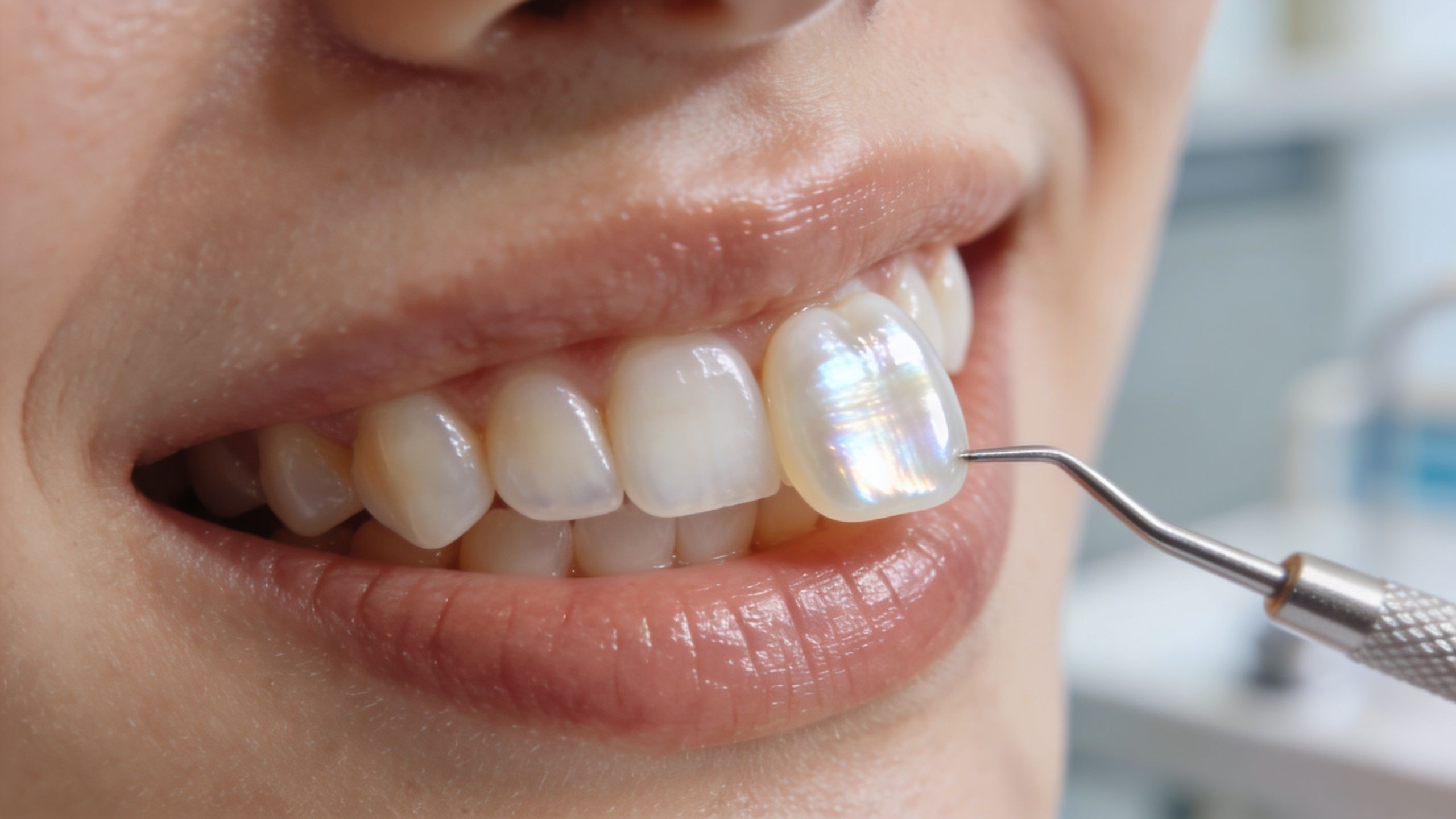
They’re usually placed on the teeth that show when you smile. That can mean one tooth, several front teeth, or a carefully selected group based on your smile line. Veneers are part of cosmetic dentistry, but the planning behind them is clinical. Tooth position, enamel quality, gum shape, bite forces, and facial proportions all matter.
Veneers are not a universal fix for every dental problem. They won’t treat active decay, gum disease, or major bite collapse. If those issues are present, they need to be addressed first with the right dental care, which can include exams, dental x-rays, restorative dentistry, or periodontal treatment.
What veneers can correct
Veneers are commonly used for visible cosmetic concerns such as:
- Chipped front teeth that make the smile look uneven
- Stubborn discoloration that doesn’t respond well to whitening
- Minor gaps between teeth
- Slightly misshapen teeth that disrupt smile balance
- Worn edges from age or grinding
- Small cracks or surface defects on front teeth
- Teeth that look too short, narrow, or asymmetrical
Their popularity isn’t hard to understand. The global dental veneers market was valued at USD 6.7 billion in 2023 and is projected to reach USD 11.45 billion by 2030, reflecting strong demand for smile enhancement, with North America holding the largest market share according to Grand View Research’s dental veneers market report.
What veneers do well and what they don’t
A good veneer case creates harmony. The teeth should match each other, fit the lips, and blend with the rest of the face. The best veneers don’t announce themselves. They make the smile look healthier and more balanced.
What doesn’t work is using veneers to mask problems they weren’t meant to solve. If a tooth is badly broken, if the bite is unstable, or if there’s significant crowding, another treatment may come first. In some cases, whitening, Invisalign, crowns, or other restorative options are more appropriate.
Practical rule: Veneers should improve what’s already healthy. They should not be used to cover active disease or force a cosmetic shortcut.
That distinction matters for patients throughout Las Vegas, including Sun City Summerlin and Painted Desert Estates, because the best cosmetic result starts with sound fundamentals.
Porcelain vs Composite Veneers Which Is Right for You
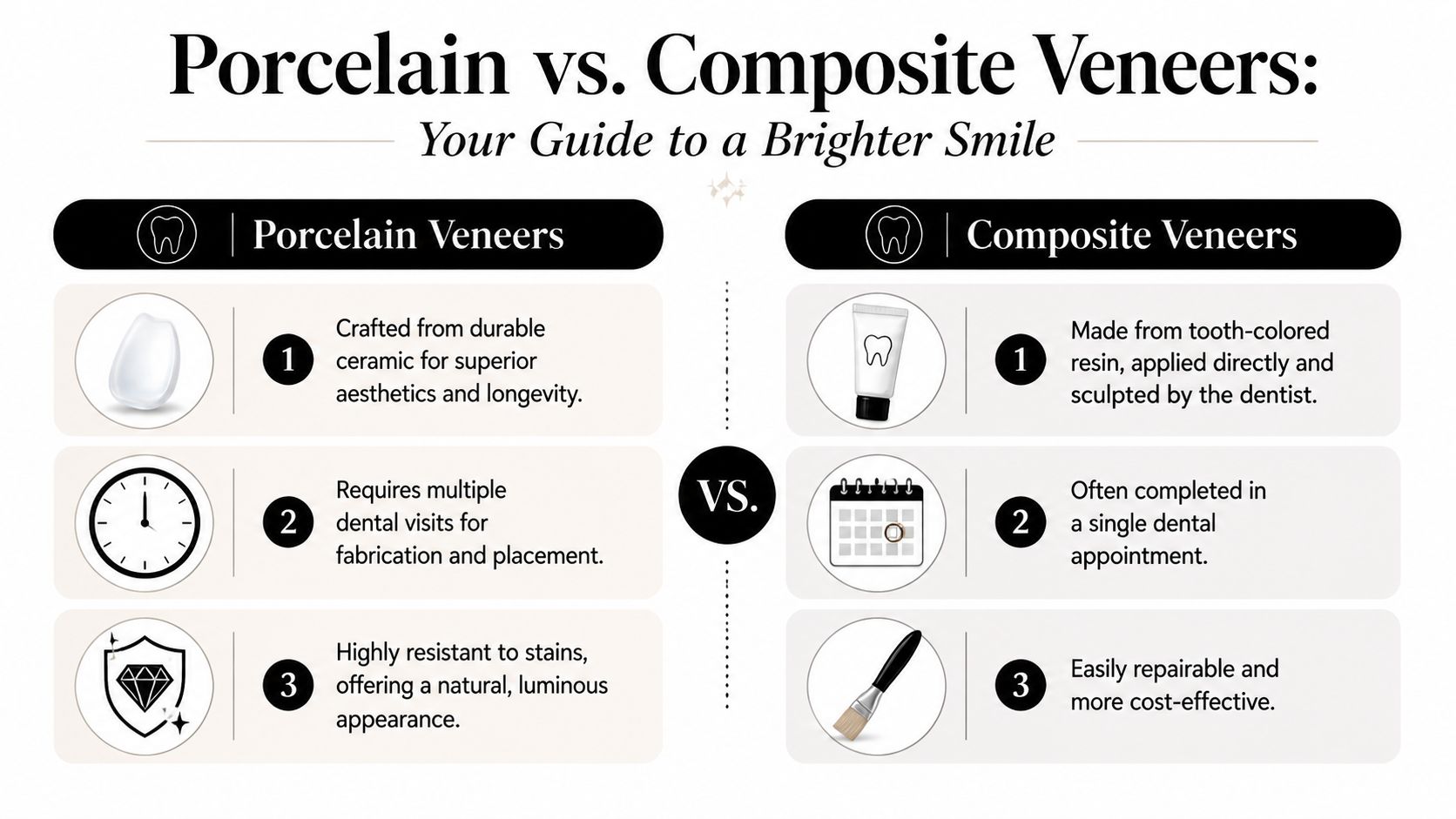
Most veneer decisions come down to two options. Porcelain veneers and composite veneers. Both can improve a smile, but they do it in different ways, with different trade-offs.
Side-by-side comparison
| Feature | Porcelain veneers | Composite veneers |
|---|---|---|
| Appearance | Highly refined, strong light reflection, excellent polish | Good cosmetic improvement, but usually less depth and translucency |
| Stain resistance | Better resistance to everyday staining | More likely to pick up discoloration over time |
| Durability | Designed for long-term use | Better suited for shorter-term or more budget-sensitive planning |
| Treatment timeline | Usually requires design, fabrication, and placement visits | Often completed in one visit |
| Repairs | May require replacement if damaged | Easier to patch or reshape |
| Best fit | Patients wanting a premium, stable cosmetic result | Patients wanting a faster or more conservative first step |
Why porcelain is often chosen for long-term smile design
Porcelain is fabricated outside the mouth, which gives the dentist and lab more control over shape, texture, translucency, and edge detail. That matters when the goal is a natural-looking result on the front teeth.
A material often used in premium porcelain veneers is IPS e.max lithium disilicate. It has a flexural strength of up to 400 to 500 MPa and can be made as thin as 0.5 mm, which allows durable, fracture-resistant restorations with conservative preparation, according to technical specifications for IPS e.max lithium disilicate.
That strength doesn’t mean every patient should automatically choose porcelain. It means porcelain is a strong option when the bite, enamel, and treatment goals support it.
When composite makes sense
Composite veneers are sculpted directly on the teeth using tooth-colored resin. They can be a good choice when a patient wants to improve shape quickly, test a new look, or make smaller cosmetic changes without the cost of lab-fabricated porcelain.
They’re also useful when a smile needs an interim solution. A patient may start with composite, live with the new contours, and later decide whether porcelain is worth the upgrade.
Composite works well when expectations are realistic. It’s not a cheap version of porcelain. It’s a different treatment with different strengths.
What works and what doesn’t
Porcelain usually works better for patients who want the most polish, stain resistance, and long-term cosmetic stability. Composite often works better for smaller corrections, repairs, or budget-conscious treatment.
What doesn’t work is choosing by price alone. A lower initial cost can be frustrating if the material, maintenance demands, or appearance don’t match your priorities. The right question isn’t just “What do veneers cost?” It’s “Which option fits my smile, bite, habits, and timeline?”
For some patients searching cosmetic dentist near me in Las Vegas, the answer is veneers. For others, a mix of whitening, bonding, Invisalign, crowns, or restorative care produces a smarter result.
The Veneer Process at Aspiring Smiles A Step-by-Step Journey
The veneer process should feel organized, not mysterious. Patients usually feel most comfortable when they know what will happen, why it matters, and what decisions are being made at each stage.
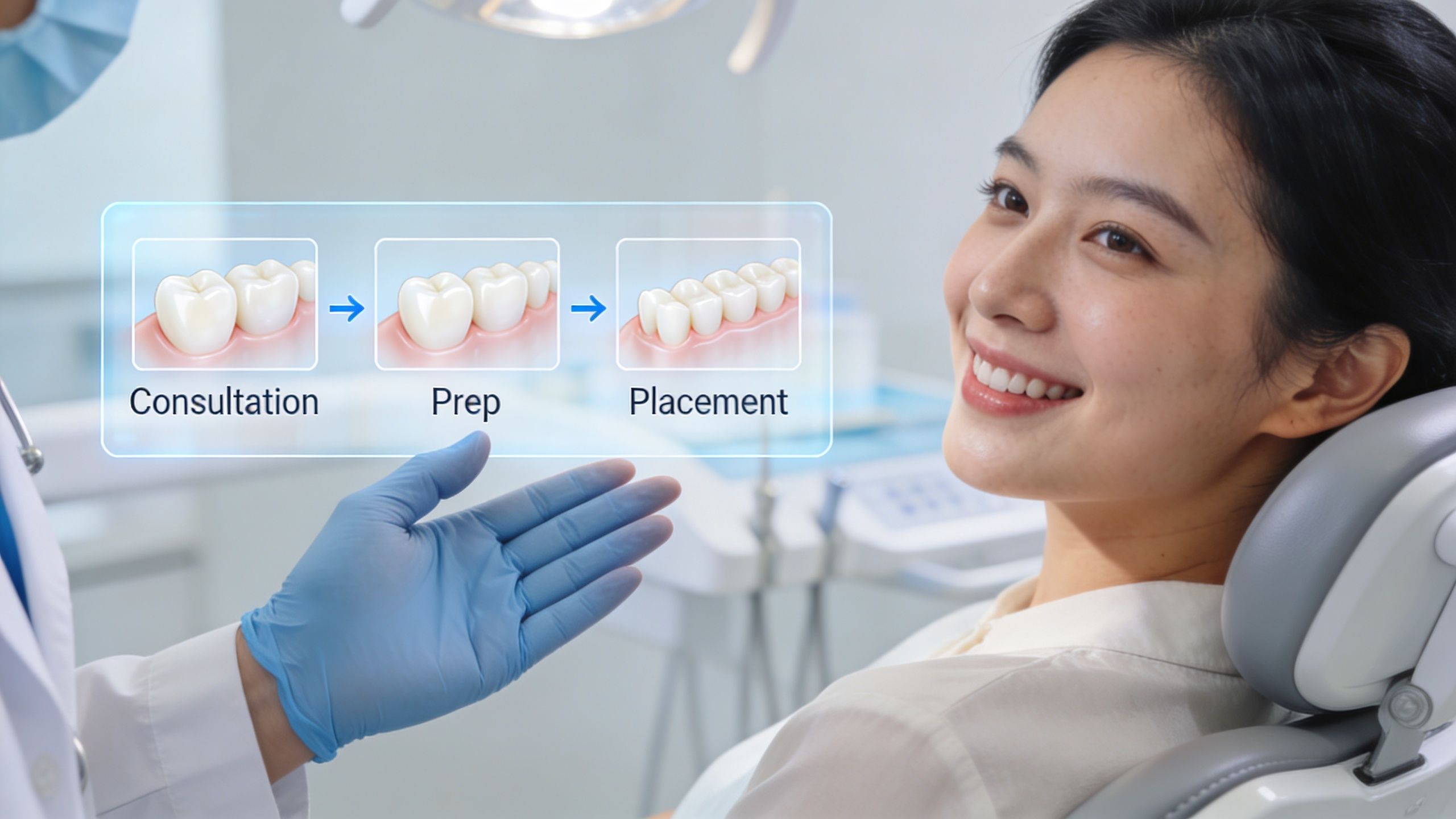
Step one begins with the smile design
The first appointment is a planning visit. That means discussing what bothers you about your smile, reviewing your bite and enamel, taking records, and deciding whether veneers are the best option. Digital photos, smile design discussions, and sometimes digital mockups become useful during this process.
A good consultation also looks at the rest of your mouth. If you need a cleaning and exams appointment, updated dental x-rays, whitening first, Invisalign before veneers, or restorative work on other teeth, that should be part of the conversation.
Step two is conservative tooth preparation
If porcelain veneers are the right choice, the teeth are prepared conservatively. The goal is not to aggressively cut teeth down. The goal is to create enough space for the veneer to sit naturally without looking bulky.
In many enamel-preserving cases, reduction is kept minimal. Temporary veneers or provisionals may be used so the patient can preview the look and function before the final restorations are placed.
A strong veneer result starts long before cementation. Shape planning, bite analysis, and conservative preparation are what keep a cosmetic case from looking artificial.
Step three is bonding and final placement
The final visit is where the custom veneers are tried in, evaluated, and then bonded into place. This step matters more than many patients realize. Veneer longevity depends heavily on the adhesive protocol.
Modern bonding techniques create a hybrid interface with bond strengths of 20 to 30 MPa, which can reduce fracture incidence by 70% and support survival rates of 10 to 15 years for porcelain veneers, compared with 5 to 7 years for many composite restorations, as described in this clinical overview of veneer bonding and longevity.
A short visual overview can help if you want to see the treatment sequence before a consultation.
What patients usually notice after placement
The first thing most patients notice is not just the color. It’s the balance. The teeth often look more even in photos, less worn in conversation, and more natural than they expected.
There can be a short adjustment period while your lips and tongue get used to the new contours. That’s normal. The final result should feel smooth, comfortable, and consistent with the way you talk and bite.
For patients in Lone Mountain, Desert Shores, and nearby Las Vegas neighborhoods, the process should feel collaborative from start to finish. Good veneers are planned with you, not for you.
Are You a Good Candidate for Veneers in Las Vegas
Not every cosmetic concern should be treated with veneers. Good candidacy depends on oral health, enamel quality, bite stability, and the specific change you want to make.
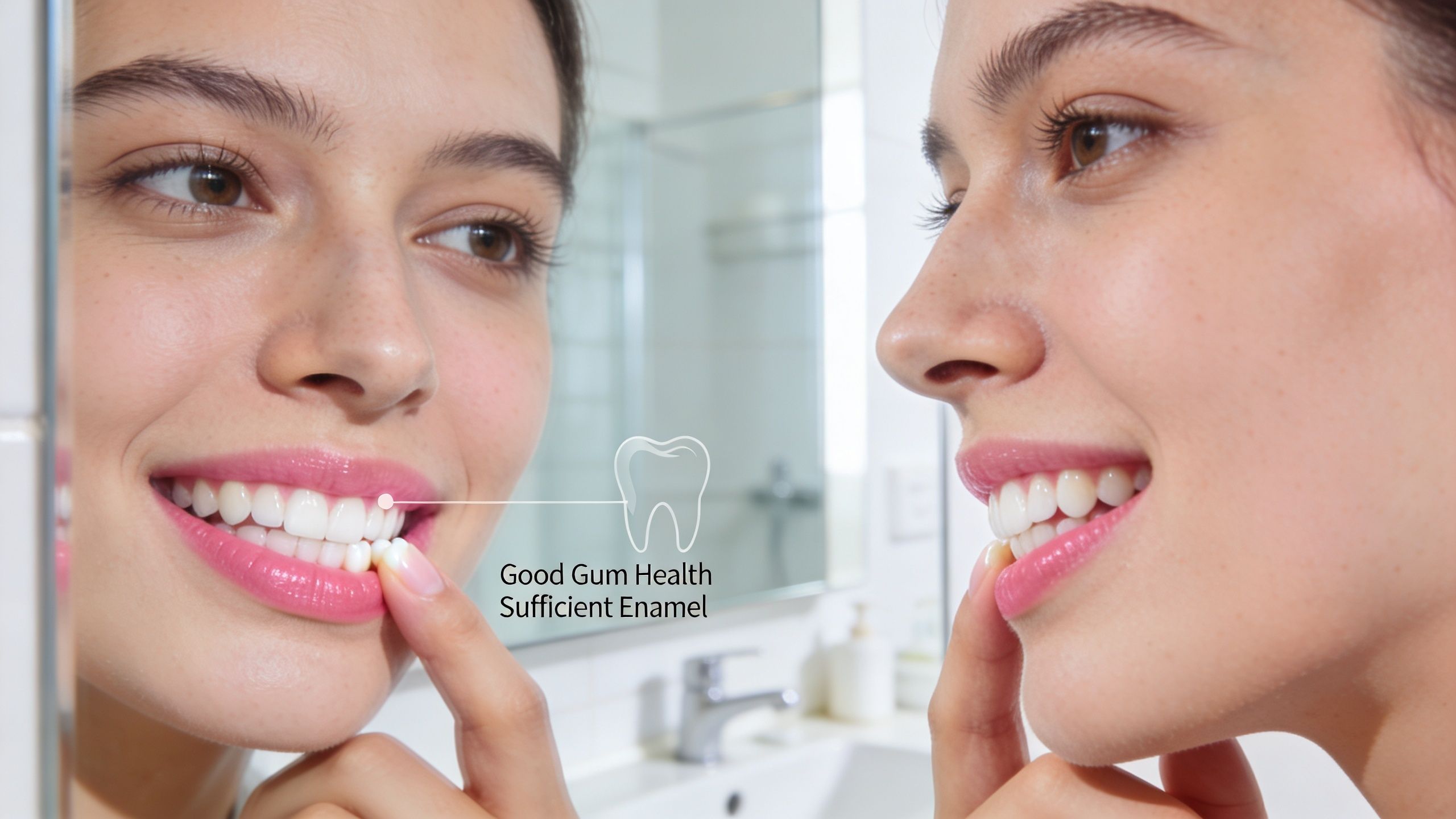
Signs you may be a strong candidate
You may be a good veneer candidate if you have healthy teeth and gums, and your goals are mostly cosmetic rather than structural. Veneers are often a strong fit for patients with chips, discoloration, worn edges, minor spacing concerns, or shape differences in the front teeth.
A consultation also checks whether enough enamel is present for durable bonding. Veneers bond best to enamel, so preserving healthy tooth structure is a major priority.
When another treatment may be better
Some patients need a different first step. If you grind heavily, clench, have untreated gum disease, extensive decay, or major alignment problems, veneers may not be the right place to start.
In those situations, treatment may begin with a night guard, gum therapy, Invisalign, whitening, crowns, or other restorative care. If gum health is part of the question, this guide on getting veneers when you have gum disease can help explain why healthy gums matter before cosmetic work begins.
Common reasons to pause veneer treatment
- Active gum inflammation that could affect the smile line and long-term stability
- Insufficient enamel for predictable bonding
- Severe bruxism that raises the risk of damage
- Crowding or bite issues better addressed with Invisalign first
- Tooth structure loss that may require crowns instead of veneers
Veneers are elective. That’s a good thing. It means there’s time to choose the treatment that protects your teeth instead of rushing into the treatment that photographs well.
Understanding the investment
Cost matters, and it should be discussed directly. In the U.S., porcelain veneers average $990 to $2,169 per tooth, and many practices use financing to make care more manageable. Third-party financing options can have approval rates as high as 99%, according to this veneers cost and financing review.
The final cost depends on several factors, including how many teeth are treated, whether porcelain or composite is used, how complex the smile design is, and whether any foundational treatment is needed first. Patients searching for a dentist near me often compare veneer pricing without comparing planning quality, material selection, or bite evaluation. Those details matter.
Questions worth asking before you commit
A useful veneer consultation should answer questions like these:
- How many teeth need treatment to make the smile look balanced
- Whether whitening should come first so adjacent teeth match
- If a night guard is recommended for protection after placement
- What alternatives exist if veneers are not the most conservative solution
- How financing works and what is included in the treatment plan
Clear answers are part of good cosmetic care. So is honesty when veneers aren’t the best next step.
Your Trusted Cosmetic Dentist in Las Vegas and Summerlin
Choosing a veneer provider is not just about finding a dental office close to home. It’s about finding a dentist who looks beyond the before-and-after photo and plans for how your smile will function over time.
That’s especially important in Las Vegas. Lifestyle affects veneer maintenance here more than many patients expect. Local hard water, frequent coffee intake, smoking, and other staining habits can all influence how veneers age. In high-stain environments, veneers may have a 7 to 10 year lifespan versus 15+ years in lower-risk settings, according to this review on veneer durability in lifestyle-heavy settings. The key is not avoiding veneers. The key is planning for your actual habits.
What a local veneer dentist should understand
A cosmetic dentist in Las Vegas should be comfortable discussing more than shade and shape. The conversation should include maintenance, bite forces, home care, staining risk, and whether your goals would be better served by veneers, whitening, Invisalign, crowns, or other treatment.
For example, a patient who wants a brighter smile may not need veneers at all. A patient with a cracked front tooth might need restorative support first. Someone interested in a full smile redesign may also need to think about long-term preventive care, regular cleanings and exams, and the role of emergency dentist access if a restoration is ever damaged.
Why local context matters
Patients in Mar-A-Lago, Sunhampton, Monterrey, and nearby Las Vegas communities benefit when their dentist understands how cosmetic work fits into everyday routines here. Extended hours, clear communication, and follow-up access matter because cosmetic dentistry isn’t only about placement day. It’s about how the result performs after months and years of use.
If you like researching smile design standards before treatment, it can also help to review a verified aesthetic clinic profile that shows how cosmetic credentials and treatment focus are presented in a patient-facing format. It’s a useful reference point for understanding what to look for when evaluating any veneer provider.
Frequently Asked Questions About Dental Veneers
How long do veneers last and how should I care for them
Longevity depends on material, bonding quality, bite habits, and maintenance. Daily care is simple. Brush gently, floss carefully, keep up with professional dental care, and avoid using teeth as tools. If you clench or grind, a night guard may be part of protecting the investment.
What usually shortens veneer life isn’t one dramatic event. It’s repeated stress, neglected maintenance, or habits that weren’t addressed during planning.
Are veneers reversible
Sometimes, but not always in the way patients expect. Many veneer cases involve some enamel adjustment so the final result doesn’t look bulky. Once enamel is removed, the tooth will generally continue to need a restoration on that surface. That’s why treatment planning matters so much.
If you’re still weighing the commitment, it helps to review cost and planning details alongside your long-term goals. This page on how much veneers cost can help you think through the investment side of the decision.
Do veneers feel like real teeth
When veneers are well designed and properly bonded, they should feel smooth and natural. The tongue usually adjusts quickly to the new shape. Patients often notice the appearance right away, but after a short period they stop noticing the veneers themselves.
Can veneers be combined with other dental services
Yes, often. Veneers may be part of a broader plan that includes whitening, Invisalign, crowns, restorative dentistry, or replacing missing teeth with dental implants. Some patients first visit because they need a dentist in Las Vegas, NV for a new patient exam, emergency dentist care, or routine cleaning and exams, then decide later to improve their smile cosmetically.
Is there ever a reason not to get veneers right now
Yes. If your teeth or gums aren’t healthy, if your bite is unstable, or if another treatment would preserve more natural tooth structure, it makes sense to wait. Good cosmetic dentistry doesn’t rush past those issues.
If you’re ready to talk through your options for dental veneers near me, schedule a consultation with Aspiring Smiles Dental and Braces. The office serves Las Vegas, including Desert Shores, Sunhampton, Sun City Summerlin, Monterrey, Lone Mountain, Mar-A-Lago, and Painted Desert Estates, with full-service dental care that can include exams, cosmetic dentistry, restorative dentistry, dental implants, emergency dentist visits, and smile planning designed for your goals.