How To Stop Severe Tooth Pain Quickly
A severe toothache usually starts at the worst possible time. Late at night. During dinner. Right before bed. Or when you’re trying to get through work and suddenly one tooth begins throbbing so hard that it feels like the whole side of your face is involved.
When pain hits that level, individuals often respond similarly. They search for how to stop severe tooth pain, hoping for something fast, safe, and strong enough to get them through the next few hours. That’s the right instinct. The key is knowing which home steps can calm things down temporarily, and which symptoms mean you need an emergency dentist in Las Vegas right away.
Severe dental pain is rarely random. It usually means the nerve is inflamed, the tooth is cracked, pressure is building, or an infection is developing. The pain may come and go, but the underlying problem usually doesn’t fix itself. What you do in the first hour matters. So does knowing when to stop trying home remedies and get proper treatment.
That Unbearable Tooth Pain Just Hit Now What
If you’re pacing the kitchen, holding your cheek, and trying not to panic, start with this. Most severe tooth pain can be reduced enough to help you think clearly and make the next decision. The first goal isn’t to solve the tooth at home. The first goal is to lower pain, avoid making it worse, and recognize whether this is an emergency.
Start by checking what kind of pain you have
Different pain patterns often point to different problems.
- Throbbing pain often comes with pressure or inflammation inside the tooth
- Sharp pain when biting can mean a crack, a broken filling, or pressure around the root
- Lingering pain after hot or cold often points to nerve irritation
- Pain with swelling or a bad taste raises concern for infection
- Jaw soreness with tooth pain can sometimes be clenching, grinding, or TMJ irritation along with a dental issue
If the pain is intense but you can still breathe, swallow, and function, you can usually begin with immediate home care while arranging a dental visit.
Severe tooth pain is a symptom, not a diagnosis. Relief matters, but finding the cause matters more.
What to do in the next few minutes
Keep your first moves simple and safe.
- Rinse your mouth gently
- Remove trapped food if something feels lodged
- Use a cold compress on the outside of your face
- Avoid chewing on that side
- Don’t lie flat if pressure is building
- Get ready to call for care if the pain keeps escalating
For families in Las Vegas, including Desert Shores, Sunhampton, Sun City Summerlin, Monterrey, Lone Mountain, Mar-A-Lago, and Painted Desert Estates, this is the part where many people try to “wait it out.” Sometimes that only means a rough night. Other times it means a worsening infection by morning.
The bridge between home care and real treatment
A lot of online advice leaves out the most important piece. Temporary relief and definitive treatment are not the same thing. Salt water, cold packs, and over the counter pain relief can help you get through the night. They won’t remove decay, drain an abscess, repair a crack, or calm an infected nerve permanently.
That’s why the safest approach is this. Use home care to buy time, not to replace care.
Immediate Home Care for Severe Tooth Pain Relief
When pain is intense, start with the low-risk measures that can reduce irritation and pressure without adding damage.

Rinse and clean the area gently
A gentle warm saltwater rinse can help when the toothache is worsened by inflamed gums, trapped debris, or irritation around a broken tooth. Swish gently, then spit. Don’t rinse aggressively if the area is very tender.
Floss carefully if food may be stuck between teeth. A popcorn hull, meat fiber, or seed can cause sharp, alarming pain that feels deeper than it is. If flossing increases pain sharply or catches on something broken, stop.
Use cold on the outside, not heat
A cold compress on the outside of the cheek can reduce swelling and dull pain. Wrap the compress in cloth and hold it against the face. Keep it external. Don’t place ice directly on the tooth.
Heat is a common mistake. If infection or inflammation is involved, heat can make throbbing and swelling feel worse. Another mistake is putting aspirin directly on the gum. That can irritate or burn soft tissue and won’t treat the source of pain.
Practical rule: Cold on the cheek is often helpful. Heat in the mouth usually isn’t.
Change position and reduce pressure
If the pain ramps up when you lie down, prop your head up. That can ease some of the pounding sensation people notice at night.
Chew on the other side. Avoid very cold drinks, very hot foods, hard foods, and sweets if they trigger the tooth. Even a badly inflamed tooth can sometimes settle slightly if you stop provoking it.
If your pain seems tied to clenching or a sore jaw joint rather than one obvious tooth, gentle muscle work may help the surrounding tension. This guide to jaw massage for TMJ relief can be useful when jaw tightness is making everything feel worse.
Clove oil can help if you use it correctly
For a targeted, natural analgesic, clove oil can help with severe tooth nerve irritation. One report discussing irreversible pulpitis noted pain scores dropped from 7.53/10 to 1.29/10 within 15 minutes, an 83% reduction, when used appropriately in that context, as described in this review of clove oil for toothache relief.
Dilute pure clove oil 1:1 with a carrier oil such as olive oil, soak a small cotton pellet, and place it directly on the cavity area for 5 to 10 minutes, avoiding the gums and tongue.
Used carefully, it can be a reasonable short-term bridge. Used carelessly, it can irritate soft tissue. More is not better.
A quick visual walkthrough may also help if you’re trying to sort out immediate steps while in pain.
What usually doesn’t work well
Some home remedies get repeated often because they sound easy, not because they solve much.
- Placing pain medicine on the tooth doesn’t fix deep inflammation
- Brushing aggressively can make exposed areas more sensitive
- Alcohol rinses may sting irritated tissue
- Ignoring a cracked tooth can turn a manageable problem into a larger fracture
- Trying to numb everything repeatedly can delay getting proper care
Home care works best as a holding strategy. If the pain keeps breaking through, wakes you up repeatedly, or comes with swelling, that’s your sign to move from self-care to an emergency visit.
Using Over the Counter Medication Safely and Effectively
Pain medicine can buy you time. It cannot diagnose the cause, drain an infection, or repair a cracked tooth.
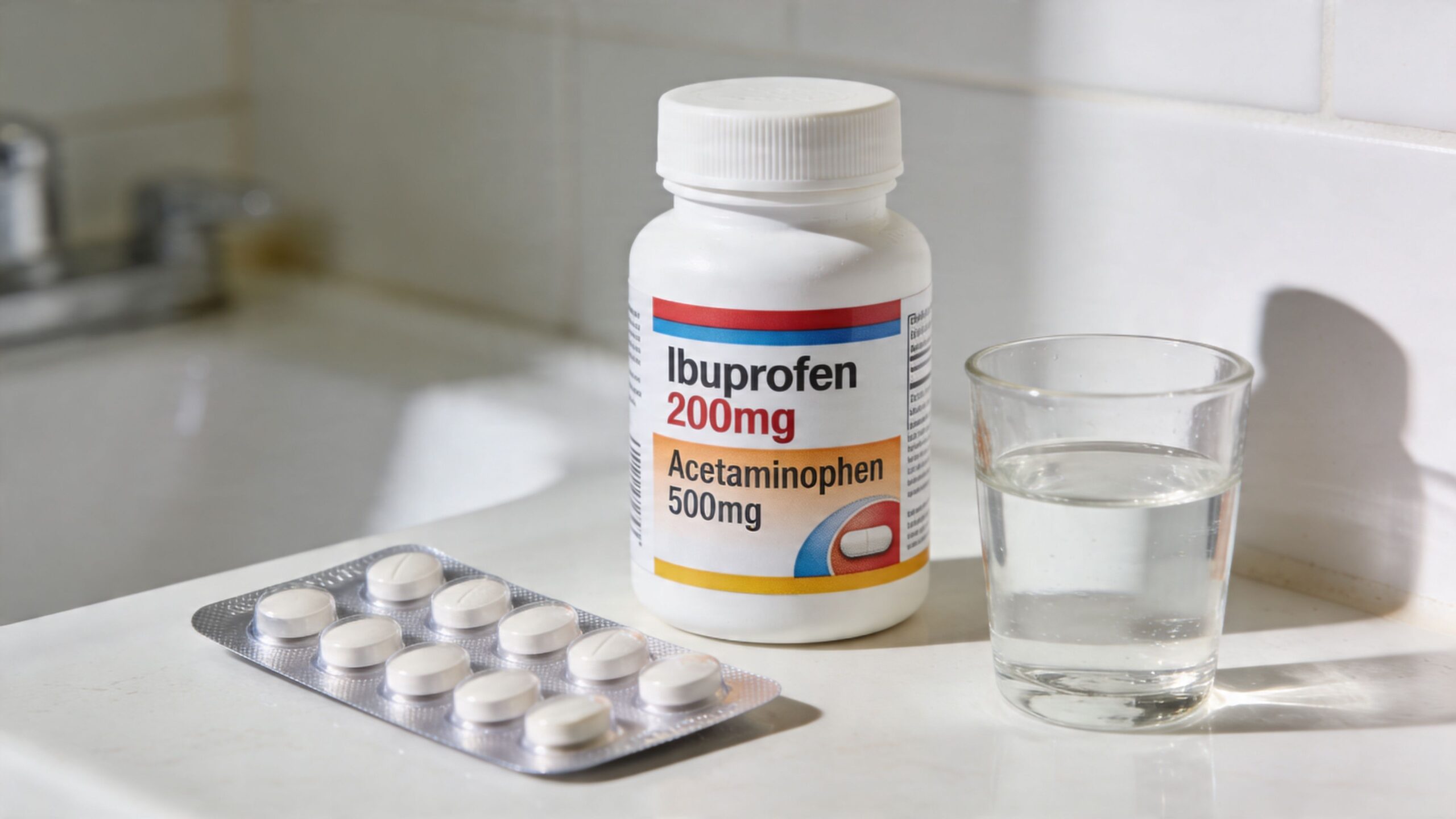
Why ibuprofen is often the first medicine people try
Severe tooth pain is often driven by inflammation around the tooth or nerve. That is why ibuprofen is commonly more helpful than a medicine that only dulls pain. The American Dental Association recommends NSAIDs such as ibuprofen as a first-line option for many toothache situations in its guidance on adult and adolescent toothache pain management.
Used correctly, ibuprofen can reduce pressure and make the pain more manageable while you arrange care. Used carelessly, it can create a second problem, especially for patients with stomach ulcers, kidney disease, bleeding risk, NSAID allergy, or certain pregnancy concerns.
What safe use looks like at home
Start with the label directions unless a dentist or physician has given you a specific plan. Do not take extra because the first dose did not work fast enough. Do not stack multiple products without checking the ingredients.
I see avoidable mistakes all the time in emergency visits. Someone takes ibuprofen, then a cold medicine, then another pain reliever, and ends up doubling the same ingredient without realizing it.
A good rule is simple.
- Use one plan at a time
- Read the active ingredients before combining products
- Stay within labeled dosing unless a clinician tells you otherwise
- Stop guessing if you have medical conditions, take blood thinners, or have had bad reactions to pain medicine before
If your symptoms are starting to feel bigger than a dental issue alone, this guide on when to go to urgent care can help you judge whether you need medical attention in addition to dental care.
Where acetaminophen fits
Acetaminophen may help when ibuprofen alone is not enough, or when a clinician has told you it is appropriate for you. It does not reduce inflammation the way ibuprofen does, but it can still lower pain.
The trade-off matters. Acetaminophen is often easier on the stomach, but it requires caution if you have liver disease or already take other medicines that contain acetaminophen. Many combination cold and flu products include it.
Common medication mistakes during a dental emergency
The problem is often not the medicine itself. The problem is panic dosing and delay.
- Taking another dose too soon
- Mixing several over the counter products with overlapping ingredients
- Using medication for temporary relief while swelling or pressure keeps building
- Relying on pills for several days instead of getting the tooth examined
- Putting aspirin or other pain medicine directly on the gum or tooth
That last one can irritate or burn the tissue. Swallow the medicine as directed on the label. Do not place it on the painful area.
How to tell if medicine is buying time or masking a bigger problem
If over the counter medicine lowers the pain to a manageable level for a short period, that may be enough time to sleep, hydrate, and arrange a prompt dental appointment. That is the best-case use for home pain relief.
If the pain returns the moment the medicine wears off, keeps getting stronger, or stops responding at all, home treatment has reached its limit. At that point, the next step is an exam and x-rays, not more experimenting in the medicine cabinet.
In cases like this, Aspiring Smiles Dental and Braces provides emergency dental evaluation to find out whether the tooth needs a filling, root canal, crown, drainage, or extraction. That is the bridge patients often need most in Las Vegas. Enough relief to get through the next few hours, and a clear plan for what happens once you get into the chair.
Warning Signs That Require an Emergency Dentist in Las Vegas
Some toothaches are painful but stable. Others are warning signs of a spreading infection, significant trauma, or pressure that shouldn’t wait. If any of the signs below are present, home remedies are no longer enough.
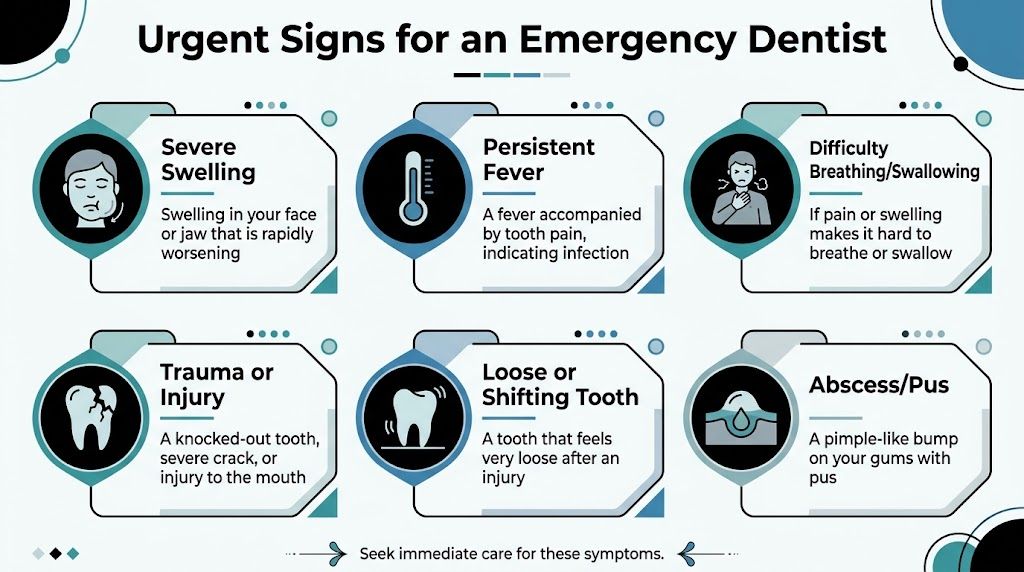
Do not wait with these symptoms
- Facial or jaw swelling that is growing or making the area feel tight
- Fever with tooth pain
- Pain or swelling that makes swallowing difficult
- Any breathing difficulty
- A pimple-like bump on the gums or visible pus
- A knocked-out, severely cracked, or displaced tooth
- A tooth that feels suddenly loose after injury
- A foul taste or drainage that keeps returning
Swelling plus tooth pain is not something to monitor casually. Infection can move beyond the tooth.
Should you call an emergency dentist or go to the ER
Use this as a simple triage guide.
| Symptom | What It Could Mean | Action to Take |
|---|---|---|
| Severe tooth pain with no swelling and no fever | Inflamed nerve, decay, crack, broken filling | Call an emergency dentist as soon as possible |
| Swelling in the gums or face | Possible dental infection or abscess | Call an emergency dentist immediately |
| Fever with dental pain | Infection may be spreading | Seek urgent dental care the same day |
| Trouble swallowing | Significant swelling or deeper infection | Seek emergency medical care right away |
| Trouble breathing | Airway risk | Go to the ER immediately |
| Knocked-out or severely broken tooth | Dental trauma | Call an emergency dentist immediately, and seek urgent medical care if other injuries are involved |
| Ongoing bleeding after oral injury | Soft tissue trauma or more serious injury | Seek urgent evaluation |
If you’re unsure how to distinguish a problem that belongs in a dental office from one that needs medical urgent care, this overview of when to go to urgent care can help with the medical side of that decision.
Implant pain needs extra caution
Pain around a dental implant, All-on-4, or implant-supported denture deserves a faster response than many people realize. The cause may not be the same as pain in a natural tooth. Pressure around the implant, inflamed tissue, or infection around the fixture may require imaging rather than more home remedies.
For patients in Painted Desert Estates, Lone Mountain, and nearby Las Vegas neighborhoods, the safest rule is simple. If swelling is visible, pain is escalating, or an implant restoration suddenly feels unstable, get examined quickly.
What Is Causing This Severe Tooth Pain
Most severe tooth pain comes from one of a few core problems. The symptoms may overlap, which is why guessing from home often goes wrong. A dental exam and x-ray matter because the treatment for a cracked tooth is different from the treatment for an abscess, and both are different from pain coming from a recent filling or a gum problem.
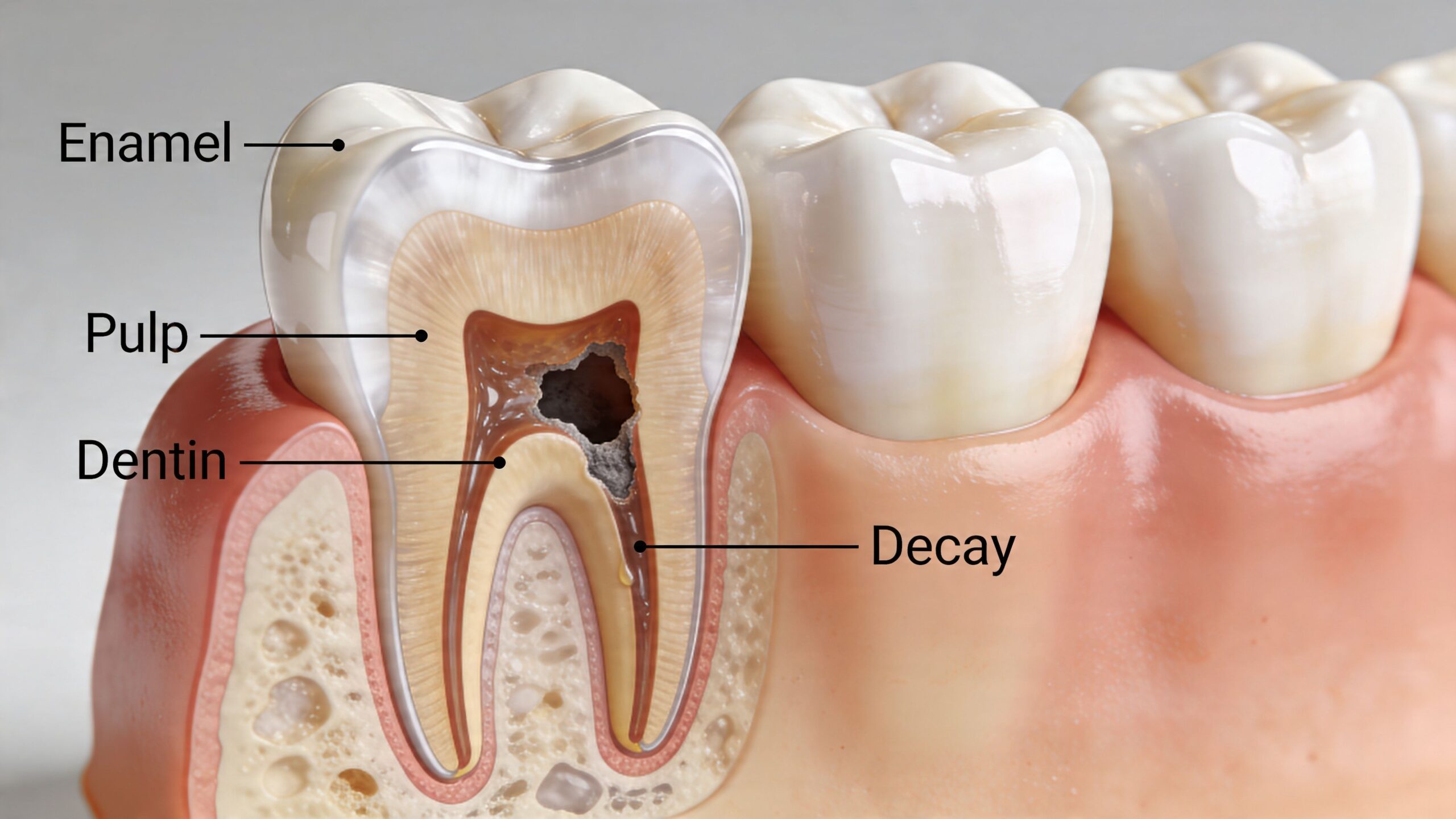
Deep decay and nerve inflammation
A cavity doesn’t usually start as severe pain. It begins on the outer layer of the tooth, then moves inward. Once decay reaches the inner layers and irritates the nerve, the pain can change fast. You may feel sensitivity first, then spontaneous throbbing, then pain that lingers long after eating or drinking.
This stage is often called pulpitis, which means the tissue inside the tooth is inflamed. If the inflammation becomes irreversible, the tooth may need root canal treatment or extraction rather than a simple filling.
Abscess or infection at the root
An abscess is a pocket of infection, often near the root of the tooth or deep in the gum. This kind of pain is often intense, pressure-filled, and difficult to ignore. Some people also notice tenderness when biting, swelling, or a bad taste if the area starts draining.
Infection is one reason severe tooth pain should never be dismissed as “just a toothache.” If you want a clearer overview of how these infections develop and why root canals are sometimes necessary, this article on understanding tooth infections and the need for root canals is a helpful next read.
A dental infection may ease briefly if pressure changes, but that doesn’t mean it has resolved.
Cracks, broken fillings, and pressure pain
A cracked tooth can produce some of the most confusing symptoms in dentistry. One bite feels fine, the next bite sends a sharp jolt through the tooth. A lost filling or broken crown can do something similar by exposing sensitive internal structure to air, pressure, or temperature.
These problems often need restorative dentistry, such as a filling, crown, or another protective repair. If the crack extends deeper than expected, the treatment plan may change after x-rays and testing.
Gum and bite-related pain
Not every severe “toothache” begins inside the tooth. Inflamed gum tissue, food trapped under the gumline, clenching, grinding, and bite imbalance can all create pain that feels dental even when the source is broader.
That’s one reason a proper new patient exam, dental x-rays, and bite evaluation matter. Without them, it’s easy to treat the symptom while missing the actual cause.
Pain around implants or dentures
Patients with dental implants near me searches often assume implant pain means the implant itself has failed. Sometimes that’s true. Often, the issue is inflammation in the surrounding tissue, pressure from the restoration, trapped debris, or infection around the area.
Pain under an implant-supported denture or around an All-on-4 restoration shouldn’t be treated like ordinary tooth sensitivity. It usually needs an in-office exam, especially if the bite feels off or the prosthetic feels different than usual.
Your Emergency Dental Visit at Aspiring Smiles in Las Vegas
The biggest fear many patients have isn’t just the pain. It’s the uncertainty. They don’t know if they’ll need a root canal, a tooth extraction, or something simpler. They don’t know how long the appointment will take or whether anything can be done right away.
At a typical emergency visit, the first focus is straightforward. Find the cause and reduce the pain safely.
What happens first
When you arrive, the team starts by asking where the pain is, how long it has been happening, what makes it worse, and whether you’ve had swelling, trauma, fever, or trouble chewing. That history matters because severe pain after a crack sounds different from severe pain caused by infection.
The next step is usually an exam and digital dental x-rays. Those images help identify decay depth, infection, fractures, failing restorations, and bone-related changes that can’t be confirmed by symptoms alone.
What treatment may look like that day
Emergency treatment depends on what the exam shows.
- If the nerve is badly inflamed and the tooth can be saved, root canal treatment may be recommended
- If the tooth is broken but restorable, a temporary or definitive protective repair may be placed
- If the tooth can’t be saved, tooth extraction may be the most appropriate way to stop pain and protect surrounding tissues
- If the issue involves a crown, filling, or bite problem, treatment may focus on stabilizing the tooth and removing the trigger
For many patients, the hardest part is hearing the words “root canal.” But fear and reality are often very different. According to the American Association of Endodontists, 71% of patients who had root canal treatment said they were glad they chose it over extraction, based on this nationwide survey on patient attitudes toward saving natural teeth.
Root canals have a reputation problem. In practice, they are often the procedure that ends the pain and lets you keep the tooth.
What patients from nearby Las Vegas neighborhoods can expect
For patients coming from Sunhampton, Mar-A-Lago, Desert Shores, or Sun City Summerlin, emergency care usually feels less dramatic once the diagnosis is clear. Most anxiety comes from not knowing. Once the exam identifies the source, the path forward becomes much more manageable.
If you’re trying to get ready before your visit, this guide on how to prepare for seeing an emergency dentist can help you know what to bring, what to mention, and how to make the appointment easier.
The bigger goal beyond pain relief
Stopping pain is urgent. Keeping your mouth healthy long term matters too. Emergency visits often lead into follow-up care such as crowns, restorative dentistry, implant planning, cleaning and exams, or replacing old dentistry that contributed to the problem.
That’s also where a full-service family dental office becomes useful. The same patient who comes in for a toothache may later need preventive care, cosmetic dentistry, teeth whitening, a replacement crown, or future planning for dental implants. Emergency treatment is often the first step, not the last one.
Frequently Asked Questions About Sudden Tooth Pain
Can I stop tooth pain while wearing Invisalign
Sometimes. Mild soreness from a new tray usually settles with time, but sharp pain, pain in one specific tooth, or pain with heat, cold, or biting is more concerning than normal aligner pressure.
You can take the aligner out briefly, rinse with lukewarm salt water, and use a cold compress on the outside of the face. If putting the tray back in creates intense pain in one area, stop guessing about the cause and get that tooth checked. In practice, I worry less about temporary tray discomfort than pain that points to decay, a cracked tooth, or an irritated nerve hiding underneath orthodontic treatment.
What if the pain came back after a new filling
A sore tooth after a filling is not unusual for a short period, especially with cold or pressure. What matters is the pattern. If the bite feels off, the filling may be a little high. If the pain is lingering, throbbing, or getting worse each day, the nerve may be more inflamed than it first appeared.
That is the point where home care stops being enough. A quick adjustment may solve it. A deeper problem may need more treatment.
What can I do if I can’t see a dentist until tomorrow
Keep the goal simple. Stay as comfortable as you can without making the problem worse.
Use the home care and medication steps covered earlier. Keep the area clean. Avoid chewing on that side. Sleep with your head raised if lying flat makes the throbbing worse. If swelling starts, your jaw gets stiff, or you develop fever, the situation has changed and waiting is no longer the safe choice.
Can a severe toothache go away on its own
Yes, the pain can fade. No, that does not mean the tooth is healing.
Sometimes a tooth quiets down because the nerve is dying, pressure has shifted, or the infection has found another path to drain. Patients often feel relieved for a day or two, then come in with swelling, facial pressure, or pain that returns even stronger. A sudden drop in pain can be misleading.
Is it ever just sinus pressure
It can be, especially with upper back teeth during a sinus infection or heavy congestion. Sinus-related discomfort often feels broad and dull, and several upper teeth may ache at once.
Dental pain is more likely if one tooth stands out, biting hurts, the gum looks swollen, or the pain is sharp and triggered by temperature. If you are not sure which it is, an exam and x-rays can usually sort that out quickly.
If you’re dealing with severe tooth pain and need clear next steps, contact Aspiring Smiles Dental and Braces. Patients across Las Vegas, NV, including Desert Shores, Sunhampton, Sun City Summerlin, Monterrey, Lone Mountain, Mar-A-Lago, and Painted Desert Estates, can request an appointment for emergency dental care, diagnosis, dental x-rays, and treatment that addresses the source of pain, not just the symptom.