Aspiring Smiles: Gum Recession Treatment Las Vegas

If you've recently noticed that one tooth looks longer than the others, or cold water suddenly makes you wince near the gumline, you're not overreacting. Those small changes are often the first signs of gum recession, and they tend to appear subtly.

Many people in Las Vegas put off getting it checked because they assume the only answer is surgery. That isn't always true. Some cases need close monitoring, some respond well to conservative care, and some do need a graft to restore lost tissue. The key is finding out which situation you're in before the problem gets worse.

Your Trusted Dentist for Gum Recession in Las Vegas

A common story goes like this. Someone from Sun City Summerlin or Desert Shores comes in for what they think is “just sensitivity.” They've switched toothpaste, they're sipping drinks on the other side of the mouth, and they've started avoiding brushing one area because it feels tender. Then they look closer in the mirror and realize the tooth seems longer than it used to.

That's often how gum recession starts to become real.

At our Las Vegas office, we see this concern in patients from Lone Mountain, Monterrey, Painted Desert Estates, Mar-A-Lago, Sunhampton, and nearby neighborhoods all the time. Some people need a straightforward cleaning and coaching on brushing pressure. Others need treatment for active gum disease before we can even talk about rebuilding the gumline. A smaller group needs surgical gum recession treatment because too much tissue has already been lost.

Practical rule: If your teeth look longer, feel more sensitive near the roots, or your gumline seems uneven, it's time for an exam rather than guesswork at home.

The reassuring part is that gum recession doesn't automatically mean a major procedure. Mild recession often calls for prevention, symptom relief, and careful follow-up. More advanced recession can still be treated effectively, but the best treatment depends on why it happened in the first place.

If you're searching for a dentist near me, a dentist in Las Vegas, NV, or even an emergency dentist because a sensitive tooth suddenly flared up, this is the kind of issue that deserves a clear diagnosis. The right plan can protect your teeth, improve comfort, and help you avoid bigger restorative problems later, including decay near exposed roots, tooth extraction, or replacement options like dental implants near me.

What Is Gum Recession and Why Is It Happening

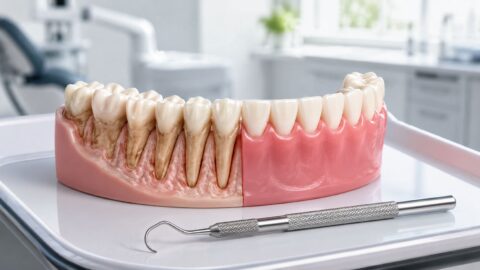
Gum recession means the gum tissue has moved away from the tooth, exposing more of the root. The simplest way to picture it is like a shoreline pulling back and uncovering more land. In your mouth, that newly exposed area is the root surface, which is more sensitive and more vulnerable than enamel.

Recession isn't only cosmetic. It can lead to tenderness with cold foods, make plaque easier to collect near the root, and create areas that are harder to keep clean. In more advanced situations, the supporting structures around the tooth can also be involved.
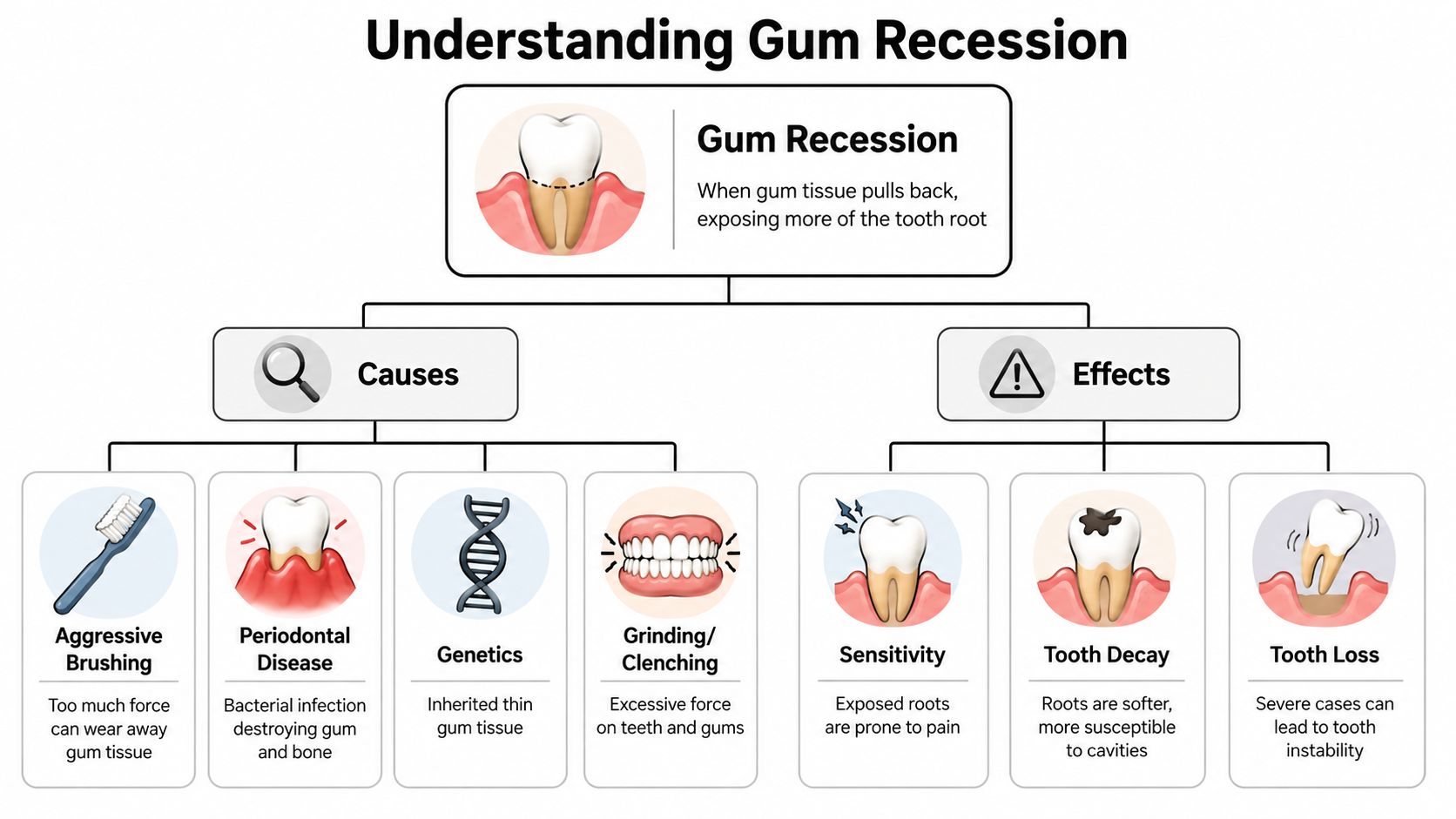
A diagnostic infographic explaining the causes and negative effects of gum recession on oral health.

The most common reason gums recede

The biggest driver is periodontal disease. It's a bacterial infection that damages gum tissue and the bone supporting the teeth. One published source states that periodontal disease is responsible for approximately 70% of all gum recession cases, making it the primary factor that needs attention before restorative treatment is considered, according to this gum recession causes and prevention review.

That point changes treatment completely. If infection is still active, covering the root without controlling the disease won't solve the underlying problem.

Other causes we look for

Not every case comes from gum disease. Recession can also happen because of:

  • Brushing too hard. A scrubbing motion with a firm brush can wear away tissue over time.
  • Thin gum tissue or genetics. Some people start with a more delicate gum type.
  • Grinding and clenching. Extra force can stress the teeth and surrounding tissues.
  • Bite problems or tooth position. When certain teeth sit outside the ideal bone support, the gum can be more vulnerable.

The cause tells us the treatment. Recession from brushing trauma is managed differently than recession caused by infection.

Why patients often notice it late

Recession can creep up slowly. Many people don't feel pain right away. They notice one of these signs first:

Sign What it may mean
Teeth look longer The gumline has moved down
Cold sensitivity The root surface is exposed
Notches near the gumline Wear or root exposure may be developing
Uneven gumline One area is receding faster than the rest

This is one reason routine dental care matters. During cleaning and exams, dental x-rays, and new patient exams, we're not just looking for cavities. We're checking the gumline, pocket depths, root exposure, and whether the recession is stable or progressing.

Stopping Gum Recession With Non-Surgical Treatments

Here's the balanced truth. Not all gum recession needs immediate surgery. If the recession is mild, stable, and mainly causing sensitivity, conservative care is often the right first step.

That matters because many patients arrive assuming they're headed straight for grafting. In reality, some of the most effective early treatment is about removing the cause of the problem and protecting the tissue that remains.
A friendly periodontist discussing gum recession treatment options with a patient in a modern dental office.

When conservative care makes sense

For mild recession, the goal isn't to pretend the tissue will grow back on its own. It won't. The goal is to stop progression, reduce sensitivity, and lower the chance that you'll need more invasive treatment later.

A strong non-surgical plan may include:

  • Professional deep cleaning when disease is present. If plaque and tartar below the gumline are driving inflammation, treatment such as root scaling and planing can help control the bacterial source.
  • Brushing correction. Technique matters as much as frequency.
  • Desensitizing care. This helps calm root sensitivity while the area is being monitored.
  • Behavior changes. Grinding, smoking, and abrasive products can all work against healing.

One practical example comes from the Cleveland Clinic, which notes that switching to a soft-bristled toothbrush with an electric pressure sensor can reduce abrasive forces by 40–60% compared to manual brushing in mild cases, as described in this gum recession treatment overview.

What non-surgical treatment can and cannot do

Honest guidance is what matters.

What it can do

  • Slow or stop worsening when the cause is identified early
  • Reduce sensitivity so daily brushing and eating feel more comfortable
  • Improve oral hygiene by making inflamed areas easier to keep clean

What it can't do

  • Regrow lost gum tissue
  • Fully cover exposed roots in moderate or severe recession
  • Replace tissue thickness when the gum has become too thin for long-term stability

A lot of patient frustration comes from trying over-the-counter products that promise more than they can deliver. Sensitive toothpaste can help symptoms. Better brushing habits can prevent more wear. Neither one rebuilds a receded gumline.

For patients who don't want surgery or aren't ready for it, some offices also use cosmetic approaches to disguise recession, such as bonding on exposed root areas or pink materials that improve the appearance of dark spaces near the gums. At Aspiring Smiles Dental and Braces, options like composite restoration, pink porcelain or composite, and removable gum veneers may be considered in selected cases as part of overall management.

A short visual explanation can help if you're trying to sort out whether your symptoms sound mild or advanced.

When we move past monitoring

Conservative care is appropriate when the area is stable and symptoms are manageable. It becomes less appropriate when the root exposure is widening, the gumline keeps dropping, or appearance and sensitivity are starting to affect daily life.

That's when a surgical consultation becomes useful, not because surgery is the default, but because preserving the tooth for the long term may require rebuilding what was lost.

Advanced Surgical Solutions to Restore Your Gums

When recession moves beyond the mild stage, surgery becomes the part of treatment that can restore coverage over exposed roots. This isn't about doing more for the sake of doing more. It's about matching the procedure to the amount of tissue loss, the thickness of your gum tissue, and the goals for comfort and appearance.

The core point is simple. Autogenous soft tissue grafts remain the gold standard for treating gingival recession, and once gums have receded, the tissue cannot grow back without surgical intervention, according to this review of surgical treatment options for gingival recession.

Comparing the main surgical options

Some procedures aim to move existing tissue. Others add tissue. Others try to support regeneration around damaged areas. Each has a role.
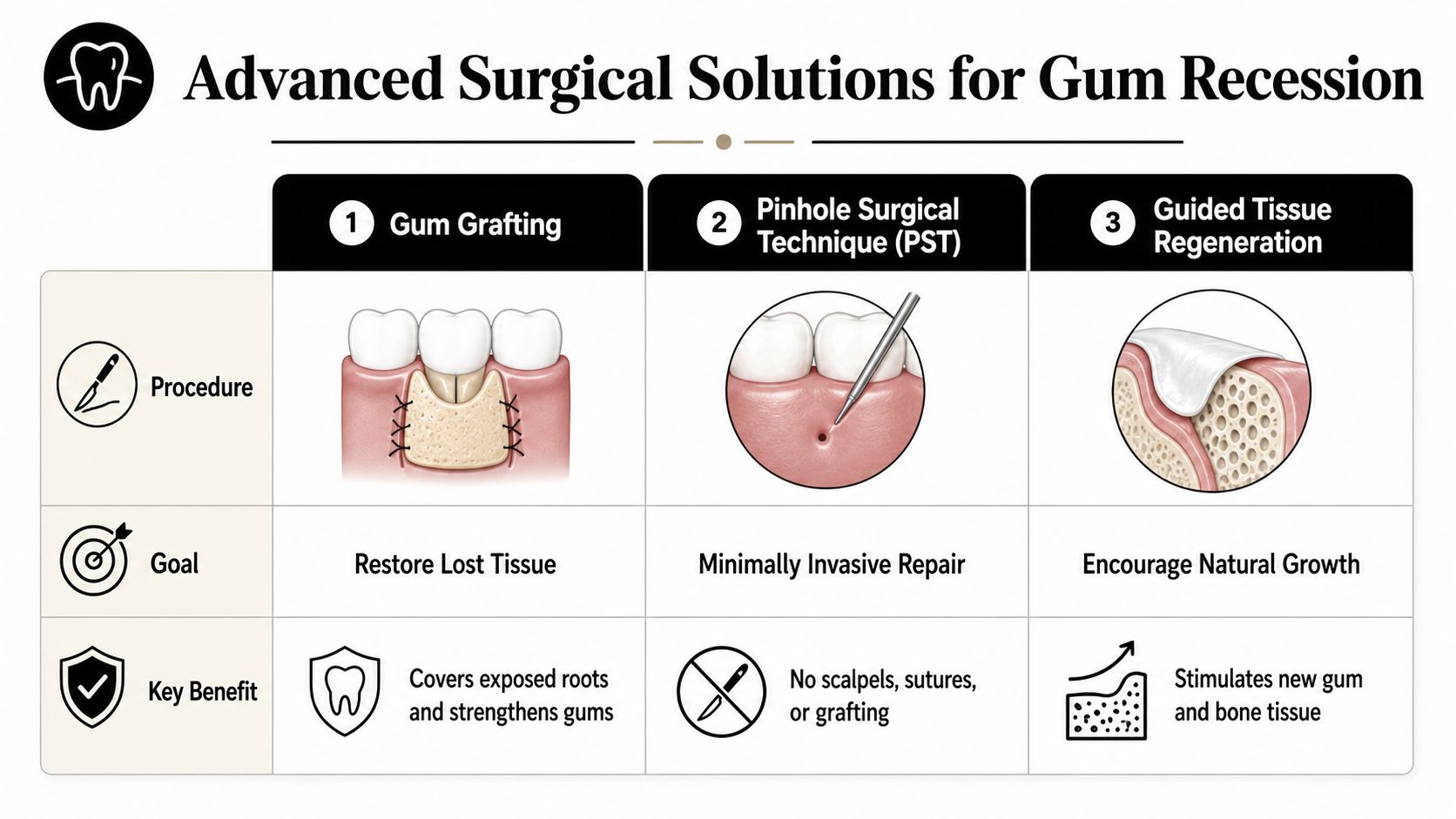
An infographic showing three advanced surgical procedures to treat gum recession, including gum grafting, Pinhole Technique, and regeneration.

Procedure Main goal Where it fits
Connective tissue graft Add thickness and cover exposed root Predictable choice for many moderate to advanced cases
Coronally advanced flap Reposition gum tissue over the root Often paired with grafting when enough tissue is present
Pinhole-style approach Reposition tissue through a small access point Selected cases where anatomy and goals are a good match
Guided tissue regeneration Support healing in damaged supporting structures Used when deeper periodontal damage is part of the picture

Why connective tissue grafts are used so often

Among surgical options, the most predictable approach for many recession defects is a coronally advanced flap combined with a connective tissue graft. A clinical review in the Journal of Clinical Medicine reports complete root coverage in 70–90% of single and multiple recession defects depending on baseline severity with this approach, and describes it as the preferred method for single recessions with esthetic demands or tooth hypersensitivity in many situations, according to this clinical review on gingival recession treatment.

For patients, that translates into a few practical benefits:

  • More reliable root coverage than moving the gum without adding support
  • Better long-term stability in cases with thin tissue
  • A more natural gumline appearance when smile aesthetics matter

Surgery isn't chosen because recession looks bad in a photo. It's chosen when the tooth needs more tissue support than prevention alone can provide.

How newer options fit in

Patients often ask about less invasive alternatives, especially if they're anxious about grafting. That's a fair question. Minimally invasive approaches can reduce the feel of a traditional surgical experience and may be appropriate for selected recession patterns.

Soft tissue substitutes and related materials can also be helpful, particularly for patients who want to avoid donor-site harvesting. The trade-off is predictability. In many cases, they don't match the long-term benchmark set by your own tissue.

What works and what doesn't

Here's the honest side-by-side view.

Usually works well

  • Moderate recession with sensitivity
  • Cosmetic concerns in visible front teeth
  • Thin gum tissue that needs reinforcement
  • Areas where root exposure keeps increasing

Usually doesn't work well

  • Placing a graft before gum disease is controlled
  • Expecting toothpaste or mouthwash to rebuild lost tissue
  • Choosing aesthetics alone without fixing the cause of recession
  • Treating one tooth while ignoring grinding, brushing trauma, or infection

If you're also dealing with a damaged tooth, advanced decay, or a tooth that can't be saved, the broader treatment plan may include restorative dentistry, tooth extraction, and later replacement with dental implants near me. But whenever a tooth can be preserved with healthy supporting gums, that's generally the better starting point.

Gum Recession Treatment Cost and Insurance in Las Vegas

Cost is one of the first questions people have, and it should be. Gum recession treatment can range from a relatively simple preventive plan to a more involved surgical procedure, so the price depends on what's causing the recession and how much treatment is needed.

What makes the biggest difference is not just the procedure itself. It's whether the case needs periodontal therapy first, whether root sensitivity needs additional restorative care, and whether treatment is focused on health, appearance, or both.

What tends to affect the cost

A mild case usually costs less because the plan may center on exams, periodontal measurements, cleaning visits, desensitizing products, and behavior changes. A more advanced case can involve surgical planning, grafting, follow-up visits, and in some situations cosmetic or restorative work on exposed root surfaces.

Several factors shape the final estimate:

  • Cause of recession. Active gum disease usually needs treatment before anything cosmetic or surgical.
  • Number of teeth involved. One isolated area is different from recession affecting multiple teeth.
  • Type of procedure. Non-surgical management, grafting, and cosmetic camouflage options don't carry the same fee structure.
  • Related needs. Some patients also need dental x-rays, new patient exams, or restorative work before the recession plan is complete.

How insurance usually fits in

Insurance often helps when treatment is tied to periodontal health or medically necessary care rather than purely elective appearance goals. Coverage varies by plan, so the important question isn't “Is recession covered?” but “Which parts of my treatment are covered under my benefits?”

That's why a written estimate matters. It helps you see what falls under preventive, periodontal, restorative, or surgical care.

For patients who want to spread out the cost, it helps to review available dental payment plans before treatment begins. Flexible financing can make it easier to address recession early rather than waiting until sensitivity, decay, or instability create a larger bill.

Waiting rarely makes gum recession less expensive. Early management is often simpler than rebuilding lost tissue later.

Thinking beyond the immediate fee

There's also a practical long-term cost question. If recession is ignored, exposed roots can become harder to clean, more sensitive, and more vulnerable to decay. In advanced situations, patients may later need crowns, periodontal procedures, or even replacement options that fall under restorative dentistry or cosmetic dentist near me searches because the smile and tooth structure have both been affected.

A consultation gives you the exact number for your situation, not a generic online guess. That's usually the fastest way to replace uncertainty with a workable plan.

Your Consultation at Aspiring Smiles Dental and Braces

The first visit for gum recession is usually calmer than people expect. Most patients arrive worried they're about to hear they need surgery right away. Instead, the appointment starts with looking closely at what's happening, where it's happening, and whether the recession is active or stable.

At 3211 N Tenaya Wy Suite 122 in Las Vegas, the process is centered on diagnosis before decisions. That includes reviewing symptoms, checking the gumline around each affected tooth, and using imaging when needed to understand the support around the roots.
Screenshot from https://aspiringsmileslasvegas.com

What happens during the visit

Dr. Patel and the team look at more than the visible recession. They also evaluate plaque buildup, signs of inflammation, brushing wear, bite stress, and whether any teeth are drifting into positions that place the gums at risk.

A consultation often includes:

  • Gum measurements to see how much tissue has moved and whether it's progressing
  • Diagnostic imaging when bone support or related issues need a clearer view
  • A review of habits such as brushing style, clenching, and smoking
  • A treatment discussion that separates what needs immediate care from what can be monitored

Patients from Desert Shores, Lone Mountain, Painted Desert Estates, and Sunhampton often tell us they appreciate knowing what's urgent and what isn't. That clarity makes the next step easier.

Why timing matters before a graft

If active gum disease is present, treatment should start there. One clinical protocol notes that the condition should be treated and stabilized for 3–6 months before attempting a gum graft, because grafting is more successful on healthy, disease-free tissue, according to this guidance on receding gums treatment timing.

That's one of the most important parts of a patient-first approach. If a tooth needs disease control and stabilization first, that's the right move, even if a graft may still be part of the final plan.

Healthy tissue gives surgical treatment a better chance to succeed. Rushing past inflammation usually creates setbacks.

Getting ready for your appointment

If you like to arrive prepared, it can help to jot down when the sensitivity started, which teeth feel different, and whether you've noticed changes while brushing or flossing. A simple checklist like Patient Talker's appointment preparation can also help you organize questions before the visit.

For many people, that first consultation answers the biggest fear. You find out whether you need prevention, periodontal therapy, cosmetic coverage, or surgery, and you get a plan that fits the condition instead of a one-size-fits-all answer.

Frequently Asked Questions About Gum Recession

Is gum recession treatment painful

Most patients do well because treatment is matched to the severity of the problem. Non-surgical care may cause temporary tenderness, especially if the roots are already sensitive, but it's usually manageable. Surgical treatment involves local anesthesia, and the recovery experience depends on the type of procedure performed and how many areas are treated.

Can mild gum recession be treated without surgery

Yes, often it can be managed without surgery when it's mild, stable, and not causing major structural problems. The focus is on stopping progression, improving brushing technique, treating any gum disease, and reducing sensitivity. What non-surgical care can't do is regrow lost gum tissue.

Will my gums grow back on their own

No. Once gum tissue has receded, it doesn't naturally return to its original position. That's why early diagnosis matters. Mild cases can often be stabilized, but actual root coverage requires a surgical approach when restoration is needed.

How long does recovery take after a gum graft

Recovery varies by procedure and by patient. Some people mainly notice soreness and need softer foods for a period of time, while others return to normal routines in stages as the tissue heals. The details depend on the surgical technique, the size of the area treated, and how closely aftercare instructions are followed.

Can gum recession come back after treatment

It can if the original cause isn't controlled. Aggressive brushing, untreated grinding, smoking, and recurring gum disease can all put the gumline at risk again. Long-term success depends on maintenance, regular exams, and protecting the tissue after treatment.

When should I call an emergency dentist

Call promptly if you have sudden swelling, bleeding that doesn't stop, severe pain, signs of infection, or a loose tooth. Recession itself is usually not a same-day emergency, but the problems around it sometimes are. If the tooth is badly damaged or the pain is intense, an urgent evaluation is the safer move.

Can gum recession affect other dental treatment

Absolutely. Recession can influence cosmetic planning, crown margins, root sensitivity, and decisions about restoring or replacing teeth. If a tooth can't be saved, the conversation may expand to tooth extraction and replacement options. If it can be saved, protecting the gum support becomes part of the larger treatment plan.


If you're noticing sensitivity, exposed roots, or teeth that look longer than they used to, schedule a consultation with Aspiring Smiles Dental and Braces. Our Las Vegas team can help you understand whether your gum recession needs monitoring, non-surgical care, or a surgical solution, and build a treatment plan that protects your comfort, your smile, and your long-term oral health.


Connect with us on Social Media Emergency Dental Services Homepage-New how much do dental implants cost 2 Membership Program New Patient Special Test Form About Find a Dentist in Las Vegas Nevada Find the Best Dentist in Las Vegas Nevada Blog Contact Home Las Vegas NV 3D Cone Beam and 3D Dental Scans 7 Signs You Need Endodontic Surgery 7 Things Parents Need to Know About Invisalign Teen Adjusting to New Dentures All-on-4 Implants Alternative to Braces for Teens Am I a Candidate for Dental Implants Can a Cracked Tooth be Saved with a Root Canal and Crown Clear Aligners Clear Braces Composite Fillings Conditions Linked to Dental Health Cosmetic Dental Care Cosmetic Dental Services Cosmetic Dentist Dental Aesthetics Dental Anxiety Dental Bonding Dental Bridges Dental Center Dental Checkup Dental Cleaning and Examinations Dental Cosmetics Dental Crowns and Dental Bridges Dental Health and Preexisting Conditions Dental Health During Pregnancy Dental Implant Restoration Dental Implant Surgery Dental Implants Dental Inlays and Onlays Dental Insurance Dental Office Dental Practice Dental Procedures Dental Restorations Dental Sealants Dental Services Dental Terminology Dental Veneers and Dental Laminates Denture Adjustments and Repairs Denture Care Denture Relining Dentures and Partial Dentures Diseases Linked to Dental Health Do I Have Sleep Apnea Do I Need a Root Canal Does Invisalign Really Work Early Orthodontic Treatment Emergency Dental Care Emergency Dentist Emergency Dentist vs. Emergency Room Family Dentist Flexible Spending Accounts Full Mouth Reconstruction General Dentist General Dentistry Services Gum Disease Health Care Savings Account Helpful Dental Information How Does Dental Insurance Work How Proper Oral Hygiene May Improve Overall Health I Think My Gums Are Receding Immediate Dentures Implant Dentist Implant Supported Dentures Improve Your Smile for Senior Pictures Interactive Periodontal Probing Intraoral Photos Invisalign Invisalign Dentist Invisalign for Teens Invisalign vs Traditional Braces Is Invisalign Teen Right for My Child Juvederm Kid Friendly Dentist Laser Dentistry Medications That Affect Oral Health Mouth Guards Multiple Teeth Replacement Options Night Guards Office Roles - Who Am I Talking To Options for Replacing All of My Teeth Options for Replacing Missing Teeth Oral Cancer Screening Oral Hygiene Basics Oral Surgery Partial Denture for One Missing Tooth Partial Dentures for Back Teeth Pediatric Dentist Post-Op Care for Dental Implants Preventative Dental Care Professional Teeth Whitening Prosthodontist Questions to Ask at Your Dental Implants Consultation Reduce Sports Injuries With Mouth Guards Restorative Dentistry Root Canal Treatment Root Scaling and Planing Routine Dental Care Routine Dental Procedures Same Day Dentistry Smile Makeover Snap-On Smile Soft-Tissue Laser Dentistry Solutions for Common Denture Problems Teeth Whitening Teeth Whitening at Dentist Tell Your Dentist About Prescriptions The Dental Implant Procedure The Difference Between Dental Implants and Mini Dental Implants The Process for Getting Dentures The Truth Behind Root Canals TMJ Dentist Tooth Extraction Types of Dental Root Fractures What Can I Do to Improve My Smile What Do I Do If I Damage My Dentures What Does a Dental Hygienist Do What is an Endodontist What Is Gum Contouring and Reshaping What Should I Do If I Chip My Tooth What to Expect When Getting Dentures When a Situation Calls for an Emergency Dental Surgery When Is a Tooth Extraction Necessary When to Spend Your HSA Which is Better Invisalign or Braces Why Are My Gums Bleeding Why Dental Sealants Play an Important Part in Protecting Your Child's Teeth Why Go to a Pediatric Dentist Instead of a General Dentist Will I Need a Bone Graft for Dental Implants Wisdom Teeth Extraction Zoom Teeth Whitening Patient Information Privacy Policy Reviews Services Sitemap Smile Gallery Special Offers Cosmetic Dental Services Cosmetic Dentist Dental Checkup Dental Cleaning and Examinations Dental Crowns and Dental Bridges Dental Extraction Dental Implants Dental Inspiration 120 Dental Inspiration 1800 General Dentist Dental Inspiration 217 General Dentist Dental Inspiration 229 Implant Dentist Dental Veneers and Dental Laminates Dentist Dentures and Partial Dentures Emergency Dentist Emergency Dentistry Family Dentist Family Dentistry Find a Dentist General Dentist General Dentistry Gum Disease Implant Dentist Implant Supported Dentures Invisalign Invisalign vs. Traditional Braces Kid Friendly Dentist Oral Surgery Pediatric Dentist Preventative Dental Care Professional Teeth Whitening Restorative Dentistry Root Canal Treatment Root Scaling and Planing Sedation Dentist Smile Makeover Teeth Whitening TMJ Dentist Uncategorized Veneers What is an Endodontist Wisdom Teeth Extraction Aspiring Smiles: Gum Recession Treatment Las Vegas Dental Extractions Near Me Night Guard for Grinding in Las Vegas: A Patient's Guide Overbite Correction in Las Vegas: Your Guide Your Guide to a Cosmetic Dental Filling in Las Vegas, NV Schedule Dental Cleaning: Easy Booking in Las Vegas 2026 Latest Dentures Available: 2026 Guide for Las Vegas Smile Makeover Near Me Invisalign for Adults: Your 2026 Guide to Clear Smiles Experience Advanced Dental Technology at Aspiring Smiles full mouth dental implants cost explained Veneers vs Bonding Cost: A Las Vegas Dentist's Guide Veneer Payment Plan in Las Vegas: A Guide to Options Get Brighter with Laser Teeth Whitening in Las Vegas 2026 Accelerated Orthodontic Treatment: Faster Smiles 2026 Invisalign vs Traditional Braces: Which Is Right for You? How Much Do Dental Implants Cost Implant Supported Bridge: Restore Your Smile in Las Vegas Cosmetic Bonding vs Veneers: Which Is Right for You? Emergency Dentist Open Saturday in Las Vegas, NV Root Canal Near Me Dental Veneers Near Me: Everything to Know Broken Tooth Temporary Fix: Urgent Care 2026 Affordable Dental Cleaning Without Insurance in Las Vegas 10 Questions to Ask Your Implant Dentist Before Getting Dental Implants Find North Las Vegas Orthodontists for Your Smile Invisalign for Teens Cost: Prices & Plans in Las Vegas Restorative Dentistry Same Day Dental Implants: Las Vegas Smile Restoration What Causes Tooth Discoloration: Dentist Explains Sedation Dentist Near Me Tooth Abscess Treatment Cost in Las Vegas, NV Aspiring Smiles: Your Dental Bonding Dentist in Las Vegas How Much Do Crowns Cost: 2026 Las Vegas Guide How Long Do Crowns Last? a Las Vegas Dentist Explains Retainer After Invisalign: Your 2026 Guide Veneers Near Me Why Regular Dental Checkups Are Essential for Families How an Implant Dentist Can Prolong Your Dental Implants Dental X-Rays Near Me: A Las Vegas Patient Guide Holistic Dentist Near Me Sedation Dentistry Las Vegas: Stress-Free Care 2026 All-on-4 Dentures Cost: A Las Vegas Guide for 2026 Opalescence Teeth Whitening in Office: A Las Vegas Guide Emergency Dental Care Fort Myers: Your 2026 Local Guide Dentist Near Me Affordable Aspiring Smiles: Dentist Near Me Cleaning in Las Vegas Walk-In Dentist Near Me 3 Reasons to Seek Treatment from an Implant Dentist Dentist Near Me Medicaid: Las Vegas Guide 2026 How Much Are Dental Implants Affordable Emergency Dental Care Pittsburgh No Insurance Emergency Dental Care Pediatric Dental Payment Plans in Las Vegas NV Your Guide Emergency Dental Care Fort Wayne: Get Immediate Help Dentist Near Me Braces: A Las Vegas Patient's Guide Restore Your Smile with Treatment from an Implant Dentist Best Dentist Near Me Cavity Filling Cost in Las Vegas: Prices & Options Dentist Near Me No Insurance: A Las Vegas, NV Guide Invisalign Near Me Aspiring Smiles: Cosmetic Dental Payment Plans Get Professional Teeth Cleaning in Las Vegas Dentist Near Me Payment Plan in Las Vegas, NV Las Vegas Affordable Dental: Get Care at Aspiring Smiles Cosmetic Dental Insurance Plans: Las Vegas Guide 2026 What an Implant Dentist Can Do for Your Smile Children’s Dentist Near Me How Long Do Dental Implants Last? a Las Vegas Guide Orthodontist vs Dentist: Choosing Your Best Smile Care Family Dentist Near Me Aspiring Smiles: Pediatric Dental Care in Las Vegas Average Cost of a Root Canal in Las Vegas, NV How Much Invisalign Cost in Las Vegas 2026? Teeth Whitening Aftercare: Maintain Your Bright Smile 7 Before and After Smile Makeovers in Las Vegas, NV Dentist Office Near Me Dentist for Teeth Veneers in Las Vegas: A Patient's Guide The Cosmetic and Functional Benefits of Seeing an Implant Dentist Emergency Dental Care Without Insurance Las Vegas Teeth Whitening Near Me Your Las Vegas Teeth Whitening Treatment Cost Guide Teeth Whitening Services Cost: Find Your Perfect Smile Cosmetic Crowns Teeth in Las Vegas | Aspiring Smiles How Much Does Cosmetic Dental Cost in Las Vegas? Low Cost Teeth Straightening in Las Vegas | 2026 Guide Family Dentistry Teeth Aligners Near Me: Your Las Vegas Guide 5 Questions to Ask Your Implant Dentist Best Dental Care in Las Vegas: A Patient's Guide Dentist Cosmetic Near Me Emergency Dental Number in Las Vegas: Call Aspiring Smiles Expert Dental Group Orthodontics in Las Vegas Emergency Dental Care Weekends: Fast Las Vegas Relief 2026 Crowns Cosmetic Dentistry in Las Vegas, NV Does Insurance Cover Cosmetic Dentistry: What's Covered? Cost of Dental Implants The Differences Between a General Dentist and an Implant Dentist Cosmetic Dentistry Full Mouth Dental Implants Cost in Las Vegas: 2026 Guide Teeth in a Day in Las Vegas, NV: A Complete Guide Dental Veneers Near Me in Las Vegas, NV Las Vegas Cosmetic Dentists: Achieve Your Dream Smile Emergency Dentist Near Me: Immediate Care in Las Vegas Implants Near Me Dental Extraction Near Me: A Las Vegas Patient Guide 3 Reasons to See an Implant Dentist After Damaging Dental Implants How Long Do Veneers Last? Porcelain vs. Composite Healthy Smiles Start Here: Kids' Dentist Near Me Root Canal Near Me: A Guide for Las Vegas, NV Cosmetic Dentistry Near Me | Aspiring Smiles Achieve Your Brightest Smile: Teeth Cleaning and Whitening How Does Invisalign Work: Your 2026 Clear Guide Las Vegas Family Dentistry | Aspiring Smiles Pediatric Dentist Near Me Pediatric Dentist Near Me - Aspiring Smiles Las Vegas Dental Implants Dentist Near Me: Find Your Las Vegas Family Dentist The Dental Implant Process from an Implant Dentist What Is the Average Price of Dentures? Las Vegas Costs How To Stop Severe Tooth Pain Quickly Teeth Whitening Before and After: A Las Vegas Guide Dental Implants Near Me in Las Vegas, NV Emergency Dentist Near Me What Do Dentist Use to Fill a Cavity? Dentist Near Me Are Dental Veneers Worth It? A Las Vegas Guide Instant At Home Teeth Whitening A Las Vegas Dentist's Guide 5 Tips for Maintaining Your Dental Implants from an Implant Dentist What is the Difference Between Veneers and Crowns? 2026 Can Invisalign Fix Overbite? See How It Works Teeth Whitening Near Me: Dazzling Smiles Await Invisalign Cost Las Vegas: Your 2026 Price Guide How to Stop Grinding Teeth at Night: A Las Vegas Guide How to find a dentist that accepts my insurance. Is Invisalign Worth It? A Guide from Your Dentist in Las Vegas, NV What to Know When Searching for An Implant Dentist How Long Does Invisalign Take? Your 2026 Guide from a Las Vegas Dentist All on Four Dental Implants in Las Vegas, NV: Transform Your Smile in 2026 Your Search for a "Kids Dentist Near Me" in Las Vegas Ends Here Dentures Las Vegas: Restore Your Smile with Aspiring Smiles Need a Walk In Dentist Near Me in Las Vegas, NV? Get Care Today Cosmetic Dentist for Your Smile Makeover in Las Vegas, NV Dental Implants in Las Vegas: Restore Your Smile Permanently Your Guide to Dental Extractions and Dentures in Las Vegas, NV Finding the Best Cosmetic Dentist in Las Vegas, NV How an Implant Dentist Can Help if You Damage Your Dental Implant Your Guide to Finding Dental Implants Near Me in Las Vegas, NV Your Trusted Dentist for Restorative Dentistry in Las Vegas, NV Cosmetic Dental Bonding in Las Vegas, NV For a Flawless Smile Your Guide to Dental Implants in Las Vegas, NV Are Dental Implants Worth It? A Guide for Las Vegas, NV Patients Your Guide to Finding a Cosmetic Dentist Near Me in Las Vegas, NV Your Trusted Dentist for Dental Cleaning in Las Vegas, NV Aftercare Post-Procedure From an Implant Dentist How Much Do Veneers Cost? A Las Vegas Patient Guide Need an Emergency Dentist Near Me? Fast, Compassionate Care in Las Vegas, NV An Implant Dentist’s Guide to Lifestyle Changes with Dental Implants How an Implant Dentist Can Benefit Your Oral Health 5 Signs You Need to See an Implant Dentist 5 Benefits of Visiting an Implant Dentist Implant Dentist: The First Steps to Take After Damaging a Dental Implant Can Gum Disease Treatment Restore My Oral Health? 3 Ways an Implant Dentist Will Help You Take Care of Your Smile Is Teeth Whitening Safe for Sensitive Teeth? How to Prepare for Your First Appointment with an Implant Dentist An Implant Dentist’s Guide to Proper Oral Hygiene with Dental Implants What an Implant Dentist Can Do for Damaged Tooth Restorations Implant Crowns: The Key to Restoring Missing Teeth What To Expect During the Procedure From an Implant Dentist How Long Do Dental Implants Really Last? Cosmetic Dental Services Provided by a General Dentist How a General Dentist Helps to Relieve Dental Anxiety 6 Services from a General Dentist Wisdom Teeth Extraction: Signs You Need It and How to Prepare What To Ask a General Dentist at Your First Appointment Caring for the Gums Under Implant Supported Dentures Why You Should See a General Dentist Every Six Months The Importance of Regular Check-Ups With Your General Dentist How a General Dentist Performs a Dental Filling Preventative Services from a General Dentist What to Expect When Visiting an Emergency Dentist: A Patient’s Framework Can Root Canal Treatment Save Teeth? The Role of a General Dentist in Your Oral Health Journey Cavity Treatment at a General Dentist How a General Dentist Can Repair Broken Teeth How a General Dentist Treats Tooth Pain Finding the Best Dentist Near Me: What to Look for in Local Dental Care 6 Major Benefits of Implant Supported Dentures Over Traditional Options Common Services Offered by General Dentists The Importance of Regular Visits to Your General Dentist Tips for Maintaining Good Oral Hygiene From Your General Dentist Oral Hygiene Tips From a General Dentist A Step-by-Step Guide to the Root Canal Procedure 7 Ways a Cosmetic Dentist Can Instantly Improve Your Smile 5 Tips on How to Choose a General Dentist Gum Disease Treatment From a General Dentist General Dentist vs. Family Dentist: What You Should Know How TMJ Treatment Can Help Relieve Jaw Pain and Discomfort The Role of a General Dentist in Maintaining Oral Health Dental Crown Used to Attach a Dental Bridge Maintain Good Oral Health with Regular Visits to Your General Dentist What to Ask Your General Dentist About the Dental Implant Process What To Expect From a General Dentist Why Choose Dental Implants Over a Dental Bridge? How a General Dentist Can Help Protect Your Teeth 5 Common Questions About Gum Disease Treatment from a Periodontist How To Prevent Cavities Under Veneers Using Veneers To Close Gaps Between Teeth Changing the Color of Your Teeth With Veneers A Step-by-Step Guide to No-Prep Dental Veneers How Long Does the Veneer Procedure Take? Emergency Dentist vs. Same Day Dentist: What’s the Difference? Starting the Conversation About Veneers With Your Dentist Can Veneers Cover Receding Gums? How To Keep Veneers From Staining How a Preventive Dentist Helps Maintain Long-Term Oral Health How Effective Are Dental Veneers? Finding a Kid-Friendly Dentist: Creating a Comfortable Dental Experience Can I Get Veneers if I Have Gum Disease? Can Veneers Be Removed? Are Veneers Only for Front Teeth? What To Expect When Getting Veneers 4 Questions To Ask Your Dentist About Endodontics TMJ Disorder Treatment From a Dentist When Should Veneers Be Replaced? How Do Veneers Work? 3 Questions To Ask Your Dentist About Veneers How Often Should You Get a Deep Teeth Cleaning? How Are Veneers Replaced? 5 Benefits of Gum Disease Treatment from a Dentist How Long Do Veneers Last? How To Care for Dental Veneers Are Veneers Permanent Restorations? 3 Signs You May Need Veneers Follow These Guidelines to Get an Attractive Smile with a Smile Makeover Enhanced Comfort Through Sedation Oral Surgery How Dental Veneers Can Improve the Look of Your Smile Can Veneers Widen Your Smile? Professional Teeth Whitening After Orthodontic Treatment 3 Reasons To Get Veneers Foods To Avoid When You Have Veneers Understanding Tooth Decay and the Need for Dental Fillings What to Expect When Getting Dentures for the First Time How Can a Dental Crown Safeguard Your Tooth? Understanding Root Canal Therapy and Easing Your Fears How Professional Teeth Whitening Can Boost Your Confidence The Importance of Seeing a Dentist for Teeth Whitening Factors To Consider Before Getting Root Canals What to Expect During the Teeth Whitening Procedure Understanding the Dental Implant Process Are Dental Implants Right for Me? Tips for Adjusting to Life With Dentures How Root Canals Can Save Damaged Teeth Tips To Prepare for a Root Canal Factors To Consider Before Getting Dental Crowns What to Expect During Your Dental Implant Consultation 4 Cosmetic Dentistry Tips for Maintaining a Beautiful Smile 3 Signs Your Tooth May Need a Root Canal Exploring the Different Teeth Whitening Options About Root Canals: Aftercare Pros and Cons of Teeth Whitening The Benefits of Root Canal Therapy 3 Signs You May Need Dental Fillings Dentures vs. Dental Implants Endodontics Therapy Can Save Your Injured Tooth The Pros and Cons of Dentures vs. Implants How to Care for Your Dental Implants to Ensure Longevity Different Types of Dental Implants Teeth Whitening Options: Which One Is Right for You? The Pros and Cons of Dental Crowns How Dental Crowns Help To Protect Your Tooth What are Smile Makeover Options for Busy Adults? Three FAQs About Dental Implants Teeth Whitening Options From Your Dentist A Step by Step Guide to Dental Implants Professional Teeth Whitening v.s. Over-the-Counter Whitening Options Dental Crowns vs. Dental Bridges Benefits of Dental Crowns What You Need To Know About Dental Fillings 3 Signs You Should Get a Deep Teeth Cleaning A Step by Step Guide to the Denture Process Why Are Root Canals Necessary? What Kind of Dentures Are Best for You? Aftercare for Root Canals 3 Things To Know About Dentures What To Expect at a Consultation for Braces The Different Types of Dental Crowns What to Expect from Your First Consultation for Dental Implants The Pros and Cons of Dental Implants What to Expect When Receiving Dental Fillings Choosing Between Dental Implants and Dentures How to Properly Clean and Maintain Your Dentures Restorations Options After a Root Canal Do Dental Fillings Hurt? Dental Fillings for Adults: What You Need to Know 3 Questions to Ask Your Dentist Before Getting Dentures Signs You May Need Treatment for TMJ Disorder What to Expect During a Dental Filling Procedure Costs and Risks of Teeth Whitening 3 FAQs About Dentures Make an Appointment With a Cosmetic Dentist Three Benefits of Choosing Dental Implants Understanding the Three Types of Dentures How to Tell if You Need a Dental Filling How Dental Fillings Treat Cavities Pros and Cons of Dental Fillings Teeth Whitening for Sensitive Teeth Root Canals: 3 Signs You May Need One The Process of Receiving Dental Crowns How to Choose the Right Teeth Whitening Option for You Dental Crowns After Root Canals At-Home Teeth Whitening Tips and Tricks Partial Denture Options How to Properly Care for Dental Implants 4 Reasons Dental Crowns May Be Recommended The Different Types of Dental Fillings Understanding Tooth Infections and the Need for Root Canals Getting Approved for Dental Implants The Dental Crown Procedure: Step by Step Common Questions About Dental Fillings Relining and Refitting Dentures: What To Know How to Maintain and Care for Your New Dental Crown What to Expect When Getting a Dental Crown Understanding the Dental Implant Procedure Pros and Cons of Root Canals How To Prepare for Seeing an Emergency Dentist Am I a Good Candidate for Invisalign? How a Smile Makeover Improves Oral Health The Number of Visits Needed for a Root Canal Treatment Welcome to Aspiring Smiles Dental and Braces