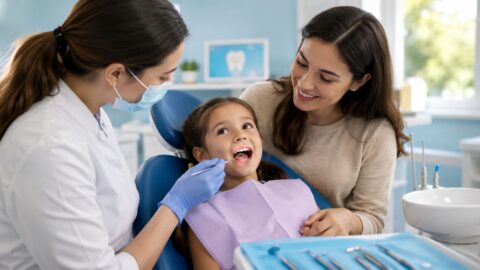
Emergency Dental Care Pediatric
A child slips by the pool, comes up crying, and now there's blood in the mouth. Or your son wakes up at night holding his cheek, and you're trying to decide if this is a toothache, an infection, or something that can't wait until morning. In those moments, most parents aren't looking for textbook definitions. They need calm, usable direction.
That's what pediatric emergency dental care should provide. Clear steps, fast triage, and help deciding where to go next.
For families in Las Vegas, NV, including Desert Shores, Sun City Summerlin, Lone Mountain, Monterrey, Sunhampton, Mar-A-Lago, and Painted Desert Estates, it helps to have a plan before panic takes over. If your child is in pain, bleeding, or has injured a tooth, acting quickly can protect both comfort and long-term oral health.
A Parent's Guide to Pediatric Dental Emergencies in Las Vegas
A child falls off a scooter, starts crying, and you see blood around the front teeth. Or bedtime turns into a swollen cheek and pain that was not there at dinner. In those moments, parents usually need one answer first. Where do I take my child right now?

That decision matters because some dental problems belong with a pediatric dentist, while others need a hospital ER first. Good emergency care starts with triage. Check your child before you focus on the tooth itself. Breathing trouble, heavy bleeding that does not slow with pressure, a rapidly enlarging swelling, fever with facial swelling, vomiting after a facial injury, or unusual sleepiness point to a medical emergency, not just a dental one.
Many parents expect a dental emergency to mean a knocked-out tooth. In practice, I also worry about facial swelling, infection, significant pain, and injuries to the lips, gums, tongue, or jaw. A bad toothache can often wait a few hours for a dentist. A toothache with swelling under the eye, trouble swallowing, or fever should be treated more urgently because infection can spread beyond the tooth.
A simple way to sort it out helps under stress. Go to the ER if your child may have a broken jaw, cannot open the mouth normally after trauma, has trouble breathing or swallowing, has bleeding you cannot control, or had a head injury along with the dental injury. Call an emergency dentist first for a broken tooth, a tooth pushed out of position, a lost filling or crown, a painful cavity, or a permanent tooth that has been knocked out but your child is otherwise stable.
That is one reason it helps to already know where your child receives pediatric dental care in Las Vegas. In an emergency, familiarity saves time. Your dentist already knows your child's age, dental history, X-rays, medications, and whether the injured tooth is a baby tooth or a permanent tooth. Those details change treatment.
Preparation outside the dental office helps too. Keep allergies, medications, insurance details, physician numbers, and backup family contacts in one place. Many parents also keep a copy of important emergency contacts for school so the same information is easy to share with coaches, teachers, or caregivers.
If you need a dentist in Las Vegas, NV because something has already happened, start by identifying the symptoms that decide the destination. The right first step is not always the closest office. It is the place equipped for the problem your child has right now.
First Aid for Your Child's Dental Injury
Your child runs in crying, there is blood in the mouth, and you are trying to decide what to do first. In that moment, the goal is simple. Protect the tooth, control bleeding, and avoid mistakes that make treatment harder once your child is seen.
This quick visual can help you act fast.
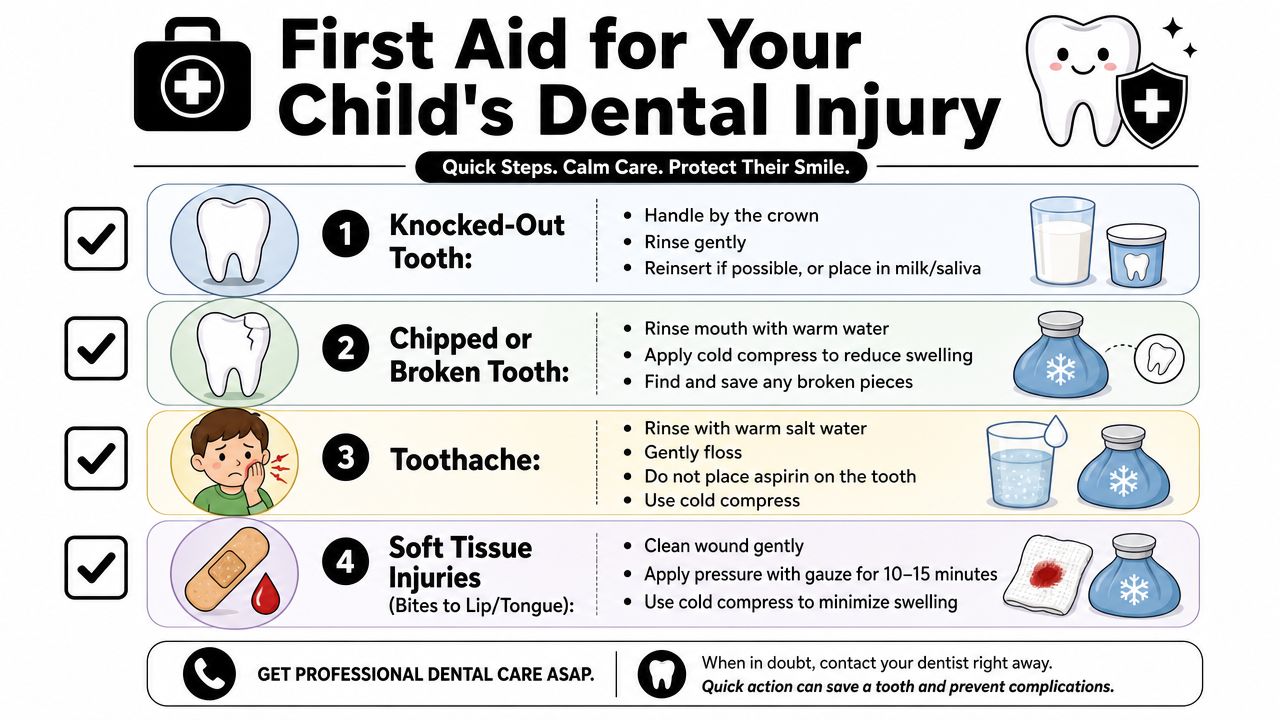
If a permanent tooth gets knocked out
This is one of the few dental injuries where minutes matter.
- Pick up the tooth by the crown only. The crown is the part you normally see. Touching the root can injure the surface cells we are trying to preserve.
- Rinse it gently if it is dirty. Use a brief rinse with clean liquid. Do not scrub, scrape, or wrap it in tissue.
- Place it back in the socket if your child is calm and you can do it safely. This gives the tooth the best chance of reattaching in the right position.
- If you cannot reinsert it, keep the tooth moist. Milk or your child's saliva are better choices than water.
- Call for urgent dental care right away. If you need fast local help, contact an emergency pediatric dentist in Las Vegas.
A common mistake is storing the tooth in water. As explained in this pediatric dental emergency guide, water can damage the cells on the root that help the tooth survive after reimplantation.
The priority is protecting the root surface until a dentist can evaluate the tooth.
If a tooth is chipped or broken
Some chips are small. Others expose the inner part of the tooth and hurt immediately with air, cold drinks, or biting. Parents cannot reliably tell the difference at home, so first aid should focus on comfort and protection.
- Rinse gently with warm water to clear blood and debris.
- Apply a cold compress to the outside of the face to limit swelling.
- Save any broken pieces you can find.
- Cover a sharp edge with dental wax or sugar-free gum if it is cutting the lip, cheek, or tongue.
- Arrange prompt dental care so the tooth can be examined, sealed, or repaired before the damage worsens.
Here's a short video that walks through common dental emergency basics in a parent-friendly way.
If your child has a toothache
Tooth pain in children has several causes. It may be a cavity, a food trap, gum irritation, a loose baby tooth, or an infection. The safest first steps are the ones that reduce irritation without hiding a worsening problem.
- Rinse with warm salt water if your child can swish and spit well.
- Floss carefully around the sore tooth. Food caught between teeth can cause sharp pain that feels larger than it is.
- Use a cold compress on the outside of the cheek if there is swelling.
- Do not place aspirin on the gums or tooth. It can burn the tissue.
Call for dental care if the pain keeps returning, wakes your child at night, or comes with swelling, fever, or tenderness in the face. Those signs raise more concern for infection than simple irritation.
If the lip, tongue, or gums are bleeding
Mouth injuries often look worse than they are because oral tissue has a strong blood supply. Steady pressure usually helps, but the technique matters.
| Injury step | What to do |
|---|---|
| Clean gently | Rinse lightly with water to remove visible debris |
| Apply pressure | Hold clean gauze on the area with firm, steady pressure |
| Watch the clock | Leave the gauze in place instead of lifting it every few seconds |
| Use cold | Apply a cold compress outside the mouth to reduce swelling and discomfort |
Check the area after about 15 minutes of uninterrupted pressure. If the bleeding is still active, your child needs urgent in-person evaluation.
What not to do
These mistakes are common, and they can change the outcome.
- Do not scrub a knocked-out tooth
- Do not let it dry out
- Do not store it in water if milk or saliva is available
- Do not ignore facial swelling, fever, or a bad taste in the mouth
- Do not assume a baby tooth injury is always minor
- Do not keep removing gauze to recheck a bleeding area, because that breaks up the clot
After first aid, the next decision is where your child should be seen. The right destination depends on the symptoms, not just the injury name.
Emergency Dentist or ER Where to Go in Las Vegas
Parents often lose the most time on the decision itself. They know something is wrong, but they're stuck between calling a dentist, driving to urgent care, or heading straight to the hospital.
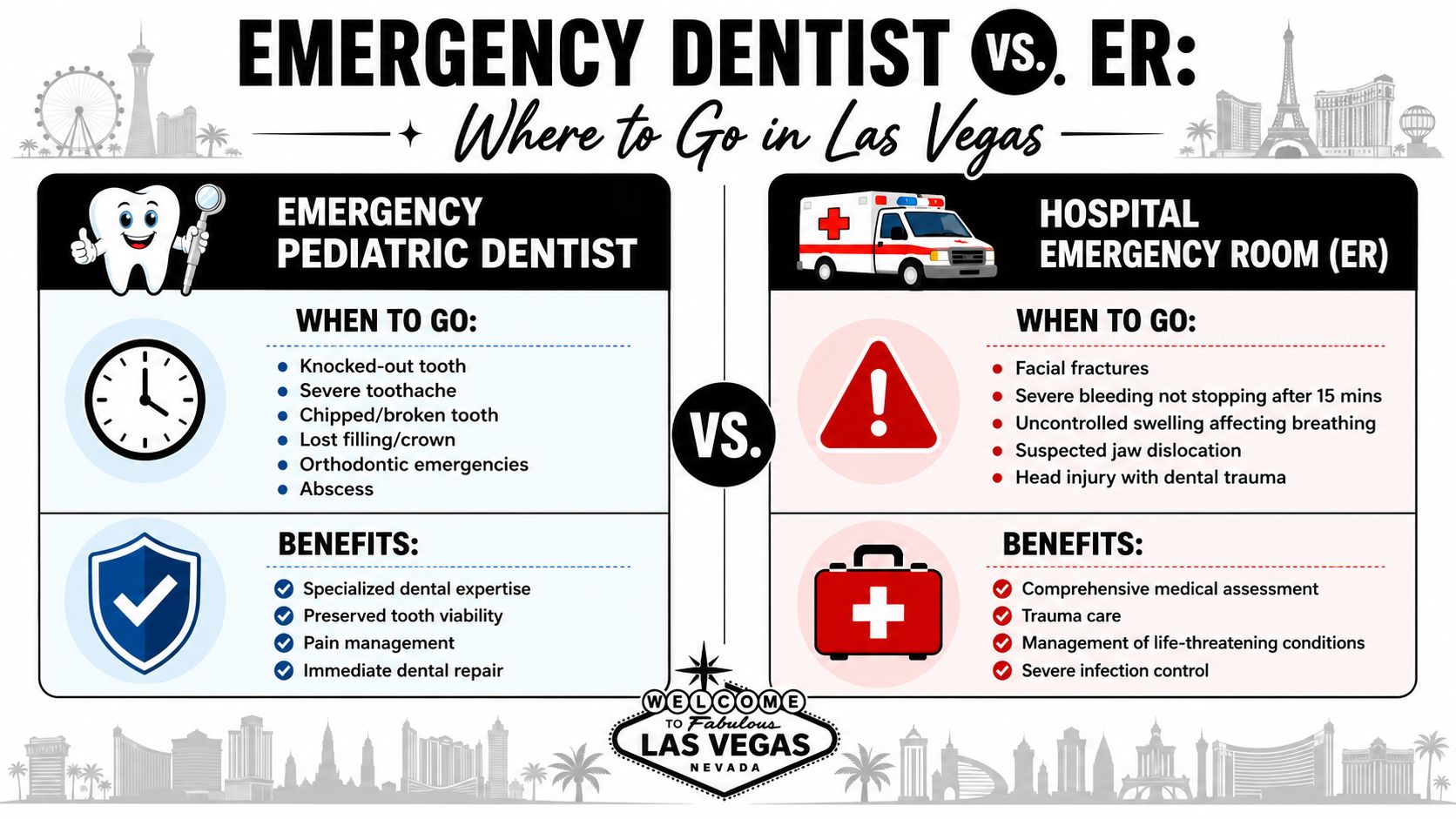
The simplest way to think about it is this. Tooth problems go to the dentist. Airway, major bleeding, facial bone injury, or broader medical concerns go to the ER.
Go to an emergency dentist for tooth-specific injuries
A pediatric-focused dental visit is usually the right first stop for:
- A knocked-out permanent tooth
- A chipped or broken tooth
- A severe toothache without breathing problems
- A dental abscess or gum swelling that is localized
- A lost filling, crown, or other restorative problem
- Orthodontic irritation or a poking wire
A dental office can help preserve the tooth, take dental x-rays, manage pain, and repair the problem directly. If you need local urgent care for a dental injury, the office's emergency dentist in Las Vegas page is the right place to start.
Go to the ER for medical danger signs
Hospital-level care is the safer choice when your child has:
| Sign | Why it points to the ER |
|---|---|
| Trouble breathing | Swelling may be affecting the airway |
| Uncontrolled bleeding | Ongoing bleeding needs medical evaluation |
| A possible jaw fracture | Bone injury needs broader trauma assessment |
| Head injury with dental trauma | Neurologic concerns come before the tooth |
| Rapidly spreading facial swelling | Infection can become a medical emergency |
| Altered consciousness | This is never a wait-and-see symptom |
A parent-friendly emergency dentistry resource makes the same distinction clearly: a pediatric dentist is the expert for tooth-related trauma, while the ER is necessary for severe issues like uncontrollable bleeding, potential jaw fractures, or facial swelling that could compromise an airway in this overview of whether to choose the dentist or the ER.
If your child can't breathe comfortably, can't stay alert, or has swelling moving into the face or neck, stop worrying about the tooth first and get emergency medical care.
The trade-off parents should know
Going to the ER for a true medical emergency is the right choice. But for injuries that are primarily dental, the dentist is usually better equipped to save the tooth and treat the actual source of pain. That's the practical difference.
For families in Las Vegas, Desert Shores, Sunhampton, and Sun City Summerlin, a fast decision reduces stress. If the problem is centered on the tooth, call the dentist. If the problem is centered on breathing, heavy bleeding, facial bones, or overall responsiveness, go to the ER.
Your Child's Emergency Visit at Aspiring Smiles
You've made the first hard decision already. You know your child needs urgent dental care, you've gotten to the office, and now you want to know what happens next.
The first goal is simple. Make sure your child is stable, comfortable, and safe enough for dental treatment. If a child comes in with swelling, bleeding, pain after a fall, or trouble opening the mouth, the team starts by checking the whole picture, not just the tooth. That approach helps us catch the problems that need medical escalation and move quickly on the problems a pediatric dentist should treat in the office.
The first minutes of the appointment
Expect a short, focused intake first. The team will ask what happened, when it happened, whether your child hit their head, whether there was bleeding, and how pain or swelling has changed since the injury started.
That history shapes the exam.
A tooth that broke during lunch is different from a tooth that changed color after a weekend fall. Fast swelling from an infected tooth raises different concerns than a chipped front tooth with no bleeding. Those details help the dentist decide what needs treatment today, what can be monitored, and whether dental x-rays are likely to change the plan.
What the dentist will usually check
After the initial review, the exam usually focuses on four areas:
- The tooth itself, including cracks, movement, nerve exposure, or a missing piece
- The gums and lips, especially if there was bleeding or a cut from a fall
- The bite, to see whether teeth are meeting normally or something feels “off”
- The supporting structures, including the bone around the tooth and signs of infection or deeper injury
If x-rays are needed, they help answer practical questions. Is the root injured? Is the permanent tooth underneath a baby tooth involved? Is swelling coming from an abscess, or is the problem more limited? Parents are often relieved once those answers are clear, because the plan becomes much more specific.
What parents can expect during treatment
Emergency treatment is usually about stabilizing the problem first. That may mean smoothing a sharp edge, placing a temporary or final repair, draining an infection when appropriate, removing a badly damaged tooth, or prescribing the next steps and close follow-up if the tooth needs time to declare itself.
At Aspiring Smiles Dental and Braces, that urgent evaluation may include examination, dental x-rays, and treatment planning for trauma, infection, or a tooth that may need repair or extraction.
Children handle emergency care better when the room stays calm and the explanation stays simple. A good visit usually answers five questions clearly:
- What is injured
- What needs treatment today
- What can safely wait
- How pain will be managed
- What changes mean you should call again
Children rarely need long explanations in a dental emergency. They need a calm voice, clear steps, and a parent who knows the plan.
Why a clear plan lowers fear
The biggest relief for many parents comes once the uncertainty is gone. Even when the injury looks dramatic at home, the office visit usually turns the situation into a set of decisions: treat now, monitor closely, or refer for medical care if the findings point outside dentistry.
That is the part many families need most. Not just first aid, but a clear answer about where the problem belongs and what happens next. Sometimes the tooth can be repaired right away. Sometimes swelling needs prompt treatment and recheck. Sometimes the right call is to watch healing over time because early treatment that is too aggressive can create new problems in a growing mouth.
You should leave understanding what we found, what we treated, what to expect tonight, and what would make us want to hear from you sooner.
Aftercare and Preventing Future Dental Emergencies
The emergency visit doesn't end when you leave the office. The next day or two often determine how comfortable your child feels and how smoothly healing goes.
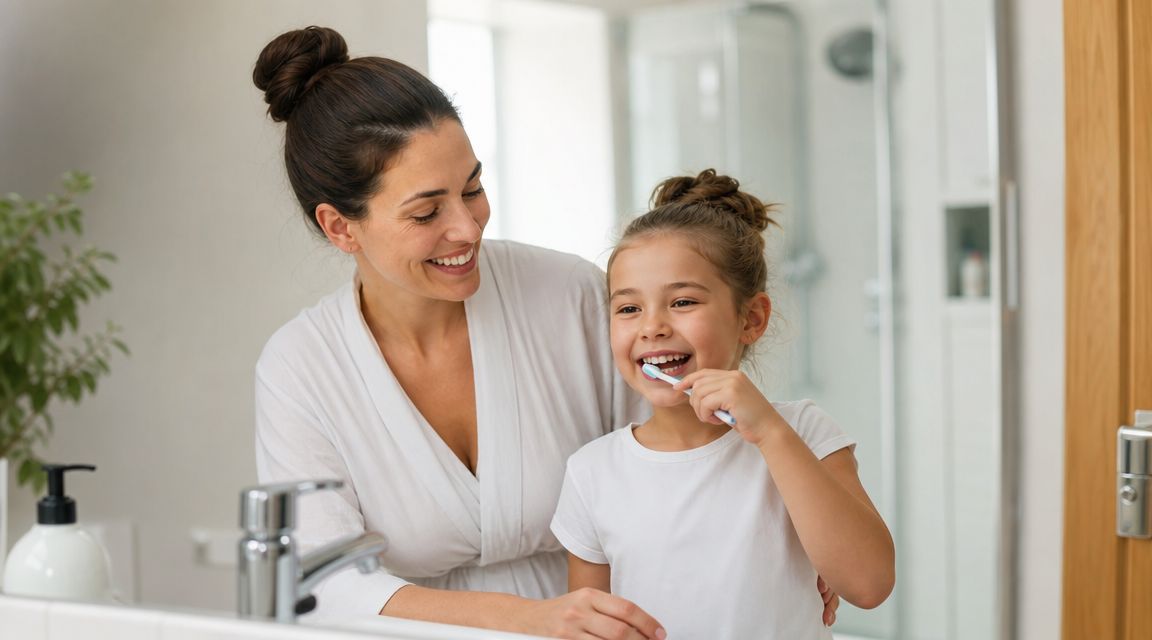
What home care usually looks like after treatment
After an injury or emergency repair, the mouth may stay sore for a while. Most children do best with simple, protective care.
- Choose softer foods such as yogurt, eggs, pasta, smoothies, or soup that isn't too hot
- Avoid hard or crunchy foods that can bump a tender tooth
- Keep brushing gently so plaque doesn't build up around an injured area
- Watch for changes like swelling, fever, worsening pain, or trouble chewing
If your child had soft tissue trauma, keeping the area clean matters. If a tooth was treated, follow the dentist's instructions closely on chewing, brushing, and follow-up.
Prevention works better than crisis care
The most effective emergency care is often prevention that happened months earlier. Routine exams, cleanings and exams, and dental x-rays help catch small problems before they become painful infections or late-night emergencies.
This matters at a national level too. One analysis found that pediatric emergency department visits for nontraumatic dental conditions fell from 103.1 to 89.3 per 10,000 pediatric ED visits between 2010 and 2017, which was a 13.3% decrease, according to this national analysis on pediatric dental emergency department use. The practical takeaway is simple: children with a routine source of dental care are less likely to end up seeking emergency care for preventable problems.
Ways to reduce the chance of another emergency
Not every accident can be prevented, but many can.
| Prevention step | Why it helps |
|---|---|
| Sports mouthguards | Protect teeth during contact and recreational play |
| Routine checkups | Catch decay and weak fillings before pain starts |
| Avoid chewing ice and hard candy | Reduces fractures in vulnerable teeth |
| Address tooth pain early | Prevents small issues from turning into swelling |
| Create a dental home | Gives families a clear place to call when something changes |
A child who already has a regular dentist usually gets help faster and with less confusion when something urgent happens.
For families also looking for a long-term dentist in Las Vegas, NV, prevention isn't separate from emergency care. It's the reason many emergencies never develop in the first place. It also supports other services over time, from restorative dentistry and tooth extraction when needed to cosmetic dentistry or even dental implants later in life if adult teeth are affected.
Your Partner for Urgent Pediatric Dental Care in Las Vegas
When your child is hurt, you don't want vague advice. You want a dental office that answers the phone, gives clear instructions, and helps you decide whether you need immediate dental treatment or hospital care.
That's why local access matters. Families in Las Vegas, including Mar-A-Lago, Sunhampton, Desert Shores, and Sun City Summerlin, benefit from having one office for urgent concerns and ongoing dental care. A practice that provides family dentistry, preventive care, restorative dentistry, cosmetic dentistry, tooth extraction, and support for long-term needs like dental implants gives parents continuity instead of starting over every time something changes.
Practical communication matters too. Good emergency care includes explaining what happened, what to do at home, and what symptoms should trigger a return call. If you like to review plain-language tools outside the office, resources that improve patient care education can help families ask better questions and feel more prepared.
If you're searching for an emergency dentist, a dentist near me, or a child-friendly dental office near Lone Mountain or Painted Desert Estates, the most important next step is simple. Don't wait and hope a serious problem settles down on its own. Call promptly, describe the injury clearly, and let the team help you triage it.
Aspiring Smiles Dental and Braces is located at 3211 N Tenaya Wy Suite 122, Las Vegas, NV 89129. The office offers extended weekday and Saturday hours, accepts insurance, and provides flexible payment options, which can make urgent dental care easier to access when you need help quickly.
If your child has tooth pain, swelling, bleeding, or a dental injury, contact Aspiring Smiles Dental and Braces for prompt guidance and to request an appointment. If your child has trouble breathing, altered consciousness, or severe facial trauma, go to the ER first.