Are Dental Veneers Worth It? A Las Vegas Guide
If you're searching for a cosmetic dentist near me or a dentist in Las Vegas, NV because you keep hiding one side of your smile in photos, you're not alone. For many adults, the question isn't whether they want a better smile. It's whether veneers are worth the cost, commitment, and upkeep.
That question usually comes up after years of trying smaller fixes. Whitening didn't change the deep stain on one tooth. A chip on the front edge keeps catching your eye. A small gap or uneven shape makes your whole smile feel off, even when your teeth are healthy. In a city as social and visible as Las Vegas, that can wear on your confidence more than people realize.
I see this often with patients from Desert Shores, Sun City Summerlin, Lone Mountain, and nearby neighborhoods who want a cosmetic result that looks polished but not artificial. They don't want hype. They want a clear answer on what veneers can improve, what they can't, how long they last, and whether another option like whitening, bonding, Invisalign, or crowns makes more sense.
The honest answer is that veneers are worth it for the right patient. They are not the right answer for every smile.
The Quest for a Perfect Smile in Las Vegas
A typical veneer consultation starts with a simple concern that has built up over time. Someone smiles less in work photos because one front tooth is darker than the others. Another person has healthy teeth but notices chips, uneven edges, and small spaces that make the smile look tired. Parents sometimes come in after finally deciding to do something for themselves after years of putting family needs first.
In Las Vegas, smiles matter in everyday life. People meet clients, attend events, celebrate milestones, and spend time with friends and family in a city where confidence shows on your face quickly. If you feel self-conscious every time someone lifts a camera, that affects more than appearance.
What patients are usually trying to fix
Patients considering veneers often deal with one or more of these concerns:
- Color problems that whitening can't solve because the discoloration is internal or uneven
- Chips and worn edges that make the smile look older or less symmetrical
- Minor gaps or shape differences that draw attention to the front teeth
- Small alignment issues when the teeth are close to straight but still don't look balanced
Why the question is bigger than price
Sticker price matters, but it isn't the whole decision. A veneer case should be judged by total value:
| Question | Why it matters |
|---|---|
| What problem are you trying to solve? | Veneers are best for visible cosmetic concerns on otherwise healthy teeth. |
| How long do you want the result to last? | Some options are cheaper upfront but need more maintenance. |
| Are your teeth and gums healthy? | Cosmetic work lasts better on a stable foundation. |
| Do you grind or clench? | Bite habits can change the risk of chipping or debonding. |
| Would another treatment do the job with less tooth change? | Whitening, bonding, Invisalign, or crowns may be better depending on the case. |
A beautiful veneer result doesn't start with porcelain. It starts with the right diagnosis.
Patients looking for a cosmetic dentist near me often expect a yes or no answer. In reality, the best answer is personalized. Veneers can be an excellent investment when they fit your goals, your bite, and your long-term habits.
Understanding Dental Veneers What They Are and How They Work
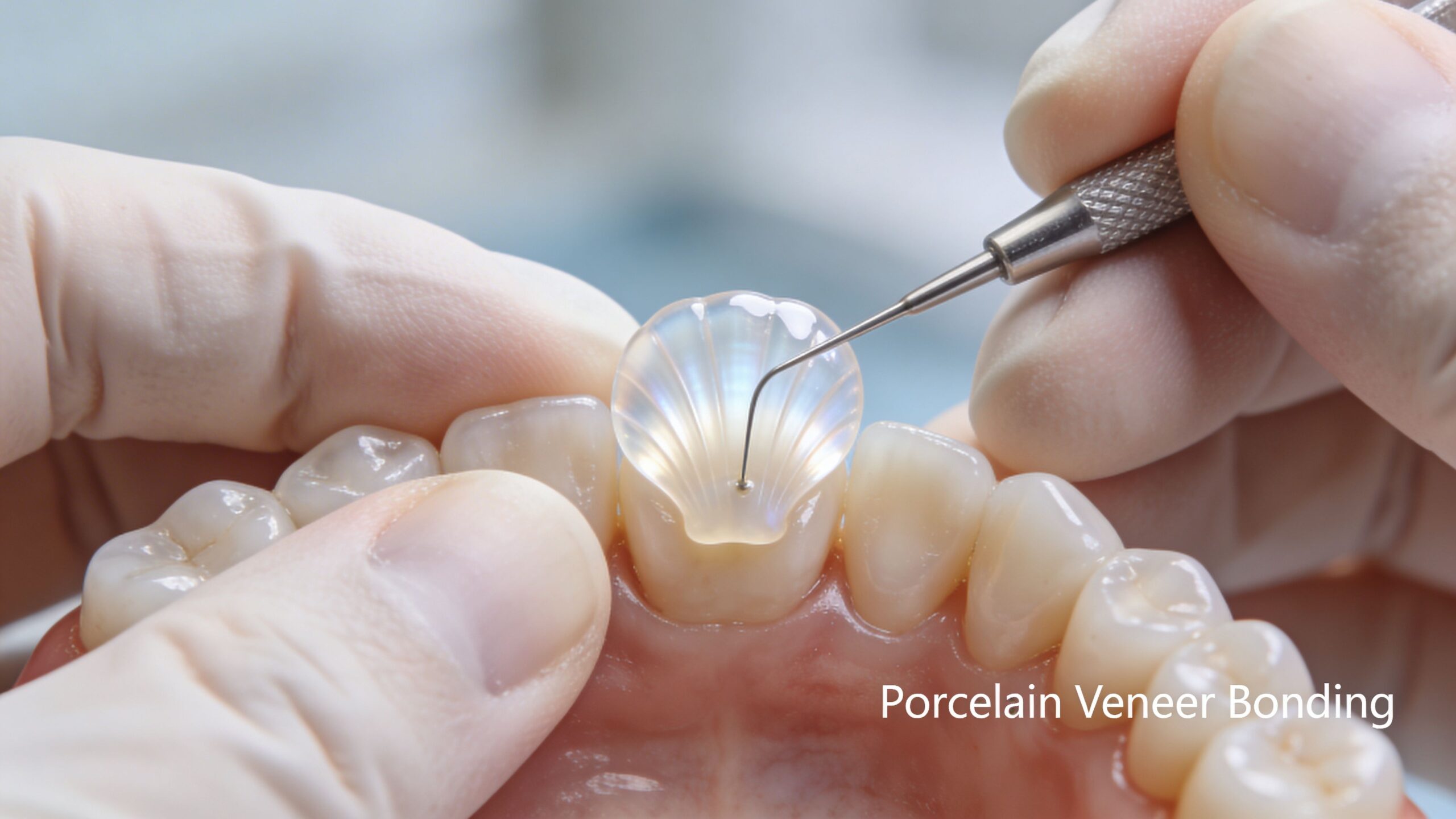
Dental veneers are thin coverings placed on the front surface of teeth to improve how they look. Think of them as custom-designed facings for visible teeth. They don't rebuild the whole tooth like a crown. They refine the part of the tooth that shows when you smile.
The two main veneer materials
Most patients hear about porcelain veneers first, and for good reason. The global veneers market is being driven by cosmetic demand, and porcelain holds 60% market share because of durability and stain resistance, with North America representing the largest market, according to this veneers market overview.
Porcelain veneers are made in a lab and are known for a refined, lifelike appearance. They reflect light well, resist stains, and are often chosen when someone wants a long-lasting cosmetic result.
Composite veneers are made from tooth-colored resin. They can be a good option in selected cases, especially when someone wants a more conservative or lower-cost cosmetic change. They usually require more maintenance over time and don't resist staining as well as porcelain.
What veneers actually fix
Veneers are designed for visible cosmetic improvements, not every dental problem. They work well when the main issue is appearance rather than deep structural damage.
They can often improve:
- Stubborn discoloration
- Small chips
- Minor gaps
- Uneven tooth shapes
- Teeth that look too short or worn
- Mild irregularity in the smile line
They are less ideal when a tooth has major decay, a large fracture, or a heavy bite problem. In those cases, restorative dentistry such as a crown may be more appropriate.
How the process works
A veneer case usually begins with an exam, photos, and a discussion about what bothers you most. The plan should be specific. Not "make them nice." More like, "brighten the smile, close the side gap, soften the sharp canine, and make the front edges even."
Then the teeth are prepared, impressions or digital records are taken, and the veneers are designed to match the smile. Once they are bonded, they become part of the visible outer surface of the tooth.
If you'd like a more detailed patient-friendly walkthrough, this explanation of how veneers work is a helpful next read.
Veneers are best when they solve a defined cosmetic problem with precision, not when they are used as a shortcut for untreated dental issues.
A Balanced Look at the Pros and Cons of Veneers
Veneers can create one of the most dramatic smile upgrades in cosmetic dentistry. They can also be the wrong choice if someone is focused only on the before-and-after photo and not the long-term commitment.
What works well about veneers
The biggest advantage is control. Veneers let a dentist improve color, shape, proportion, symmetry, and surface appearance at the same time. Whitening can only change shade. Orthodontics can move teeth but won't change shape or deep discoloration. Bonding can help in small areas but doesn't usually provide the same polish and stability as porcelain.
For the right patient, veneers also offer reassuring long-term performance. Clinical data shows 95% of porcelain veneers survive at 10 years and 83% at 20 years, with patient satisfaction ranging from 80% to 100%, according to this review of porcelain veneer durability and satisfaction. Those numbers matter because they show veneers aren't just a cosmetic trend. They can be a predictable treatment when planned well.
Why many patients feel they are worth it
The value often comes from combining several improvements into one treatment:
- Shade improvement without repeated whitening for the same problem areas
- Smoother shape and balance across the visible front teeth
- A stain-resistant surface in porcelain
- A durable cosmetic result when the bite and habits are managed well
For adults who have lived with a smile concern for years, that can be life-changing in a practical sense. They smile more naturally. They stop thinking about one dark tooth or one chipped edge every day.
The trade-offs patients need to understand
Veneers are not a casual beauty treatment. They require planning and commitment.
Enamel removal is a real consideration
To place veneers properly, the dentist usually has to remove a small amount of enamel. That means this decision should be made carefully. Veneers should fit the face, lips, bite, and long-term oral health plan.
Cost can be significant
The upfront fee is one reason people hesitate. Veneers are custom dental restorations, and the cost reflects the material, design, lab work, and clinical skill involved. They are usually paid out of pocket because cosmetic procedures often aren't covered by insurance.
They don't excuse neglect
Veneers still need brushing, flossing, cleanings, and routine exams. The veneer itself may resist staining better than natural enamel, but the tooth and gums around it still need healthy daily care.
The best veneer patients aren't looking for perfection. They're looking for a smile that fits their face and holds up in real life.
Sensitivity and maintenance
Some people notice temporary sensitivity during the process. Bite adjustments may also be needed. If someone clenches, grinds, or bites hard objects, that habit has to be addressed. Veneers are strong, but they are not indestructible.
So, are dental veneers worth it? Yes, when they solve the right problem, on the right teeth, for the right patient. No, if they are being used to cover untreated disease, a poor bite, or unrealistic expectations.
Veneers vs Other Cosmetic Options Finding Your Best Path
A big part of veneer planning is knowing when not to choose veneers. Patients searching for a dentist near me or cosmetic dentist near me often compare veneers to whitening, bonding, crowns, or Invisalign. That's the right way to think about it.
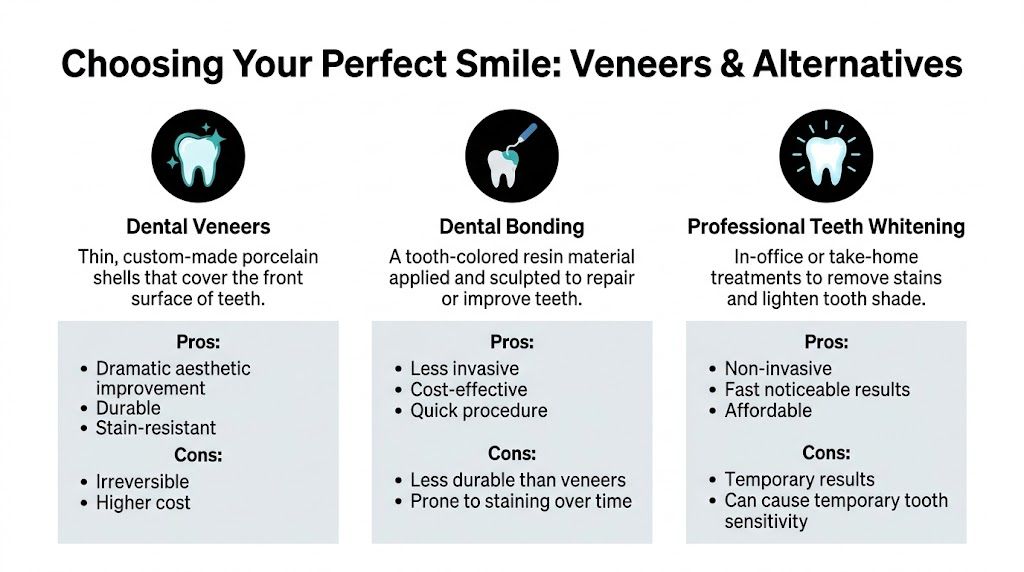
Quick comparison table
| Option | Best for | Strengths | Limits |
|---|---|---|---|
| Veneers | Color, shape, chips, small gaps, smile design | Strong cosmetic control, polished result, porcelain resists stains | Irreversible preparation in many cases, higher cost |
| Bonding | Small chips, tiny gaps, minor shape repair | Conservative, faster, lower initial cost | More prone to wear and staining |
| Whitening | General shade improvement | Simple, non-invasive | Won't fix shape, chips, or some deep discoloration |
| Crowns | Teeth needing more structural support | Restorative strength | More tooth reduction than veneers |
| Invisalign or braces | Alignment and bite correction | Moves natural teeth into better position | Doesn't change tooth color or shape by itself |
Veneers vs bonding
Bonding is useful when the change is small. If one front tooth has a modest chip or a tiny gap needs closure, bonding may be the more conservative choice. It can often be completed quickly and with less alteration to the tooth.
Veneers usually win when the patient wants broader smile design changes. Porcelain tends to maintain its appearance better over time and usually gives more control over translucency, contour, and edge shape.
Veneers vs whitening
Whitening is the first place to start when the concern is overall shade. It keeps the natural tooth structure untouched and can brighten a healthy smile nicely.
But whitening has limits. It doesn't close gaps, reshape worn edges, or cover a tooth with deep internal discoloration effectively. In those situations, veneers may provide a more complete answer.
Veneers vs crowns
This distinction matters. Veneers are usually chosen for aesthetic correction on otherwise healthy teeth. Crowns are often used when a tooth needs more structural coverage.
According to this comparison of veneers and crowns, veneers typically require 0.3 to 0.5 mm of enamel reduction, while crowns usually need 1 to 2 mm of circumferential preparation. That means veneers preserve more natural tooth structure when the tooth is healthy enough for a cosmetic approach.
Veneers vs Invisalign or braces
If your main issue is crookedness or bite position, moving the teeth may be smarter than covering them. Veneers can make mildly misaligned teeth look straighter, but they don't correct the underlying tooth position.
That's why treatment sequencing matters. If you're deciding between tooth movement and cosmetic covering, this article on should I get braces or veneers first for a better smile gives useful context on when orthodontics should come first.
How I guide the decision
I use a simple filter when evaluating options for adults in Painted Desert Estates, Monterrey, Sunhampton, and nearby areas.
- Choose whitening first if shape is fine and color is the main complaint.
- Choose bonding for smaller repairs where conservative treatment matters most.
Choose Invisalign or braces when misaligned teeth are the concern. - Choose crowns when teeth need more full-coverage support.
Choose veneers for major cosmetic improvement on healthy front teeth.
The best treatment is the one that fixes the real cause of the smile concern, not the one with the most dramatic photos.
That is where veneers earn their value. They are not the universal answer. They are often the best answer when multiple cosmetic issues need to be corrected together.
Are You a Good Candidate for Veneers in Las Vegas
Not everyone who wants veneers should get them right away. Good candidates usually have healthy teeth, healthy gums, and cosmetic concerns that veneers are designed to fix.
A simple self-check before you book
You may be a strong veneer candidate if most of these sound like you:
- Your main concern is cosmetic such as chips, uneven edges, discoloration, or small spaces
- Your teeth are generally healthy without untreated decay or major fractures
- Your gums are stable and don't bleed or stay inflamed
- You want a lasting cosmetic result rather than a short-term fix
- You understand maintenance matters and you're willing to protect the work
You may need another step first if you have gum disease, active cavities, major bite instability, or severe crowding. In those cases, general, restorative, or orthodontic treatment may need to come before cosmetic work.
The overlooked issue of grinding and clenching
One of the most important discussions in a veneer consultation is bruxism, or teeth grinding. Many patients don't know they do it until they hear comments from a partner, wake up with jaw tension, or show a wear pattern on the teeth.
Bruxism changes risk. According to Cleveland Clinic's overview of veneers and bruxism-related concerns, bruxism affects up to 31% of adults and can cause veneers to fail 20% to 30% faster. The same source notes that proper diagnosis and a custom nightguard can significantly reduce failure risk and help protect the investment.
That doesn't mean grinders can never get veneers. It means the case has to be managed correctly.
What a careful consultation should address
A veneer evaluation should include more than shade selection. It should look at how your teeth function day and night.
Questions that matter include:
- Do you clench or grind when stressed or sleeping?
- Are the front teeth already worn down?
- Do you have jaw soreness or frequent tension?
- Will a nightguard be part of the long-term plan?
This short video gives helpful background before a consultation.
When veneers are not the first move
Sometimes the best answer is to pause. If teeth need alignment first, if the bite is unstable, or if a patient wants a very conservative first step, another treatment may create a better foundation.
That kind of decision isn't a setback. It's how good cosmetic dentistry protects the final result.
The Veneer Journey at Aspiring Smiles Dental and Braces
Most patients feel more confident about veneers once they understand the process. The steps are straightforward, but the planning behind them matters.
The first visit
At the initial consultation, Dr. Patel evaluates your teeth, gums, bite, and smile goals. This isn't just about picking a brighter shade. It's about deciding whether veneers are the right treatment at all, or whether whitening, Invisalign, bonding, crowns, or restorative care would serve you better.
For patients looking for a dentist in Las Vegas, NV who takes time to explain options, this is often the visit where things become clear. You can talk through what bothers you, what kind of result you want, and what trade-offs you're comfortable with.
Designing the smile
Once veneers make sense, the planning becomes highly personalized. Dr. Patel looks at tooth proportion, smile line, edge shape, and how the teeth show when you talk and smile. The goal isn't a generic celebrity smile. It's a smile that looks natural on your face.
This stage is also where practical details come in. A patient from Sun City Summerlin may want a softer, subtle change. Someone from Mar-A-Lago or Desert Shores may want a brighter, more polished makeover. Both can be appropriate if the design fits the person.
Good veneer design looks like your smile on its best day, not someone else's smile copied onto your teeth.
Preparation and placement
At the preparation visit, a small amount of enamel may be adjusted so the veneers fit naturally. Records are taken so the final restorations can be custom made. Temporary veneers may be used when appropriate while the final set is being created.
At the bonding appointment, each veneer is checked for fit, contour, and appearance before it is secured. Small adjustments can make a major difference in comfort and symmetry.
Aftercare and follow-up
Once placed, veneers need the same foundation every smile treatment needs. That includes routine dental care, cleanings and exams, and attention to bite habits. If you grind, a nightguard becomes part of protecting the result.
Patients who also need broader care appreciate having access to one office for cosmetic dentistry, teeth whitening, restorative dentistry, dental implants near me, and even an emergency dentist if something urgent happens later. That continuity makes long-term smile care simpler.
Investing in Your Smile Veneer Costs and Financing in Las Vegas
Cost is usually the biggest practical question, and it should be. Veneers are custom treatment, not an off-the-shelf purchase.
In the U.S., porcelain veneers average $1,765 per tooth, with reported ranges of $500 to $2,895 and also $925 to $2,500 per tooth depending on the case and market, according to this cost-focused veneer guide. Full smile makeovers often involve several teeth, so the final investment depends on how many teeth are being treated and whether porcelain or composite is the better fit.
What affects the total fee
The main cost drivers are straightforward:
- Material choice between porcelain and composite
- Number of teeth treated in the visible smile zone
- Complexity of the cosmetic design
- Whether other dental care is needed first, such as cleaning, gum treatment, or bite stabilization
Insurance rarely covers veneers when they are elective and cosmetic. That means patients often compare the cost to alternatives like whitening, bonding, or orthodontics.
Why financing changes the conversation
A large upfront fee can make even a strong treatment plan feel out of reach. Financing can make the decision more manageable without forcing a patient to delay care for years.
Modern financing options can include 0% APR plans, which can reduce the immediate barrier to treatment, and membership plans can help patients create a more affordable path forward, as discussed in this overview of veneer financing and budgeting.
Cost versus value
The better question isn't only "How much do veneers cost?" It's "What result am I paying for, and how long do I expect it to serve me?"
If veneers are replacing repeated short-term cosmetic fixes, delivering a result you feel good about daily, and holding up well with proper care, many patients see them as a worthwhile investment. If another treatment can solve the same problem more conservatively, that may be the better value.
That is why a personalized exam matters more than an online price quote.
Your Veneer Questions Answered by a Las Vegas Dentist
Can I get just one veneer
Yes, sometimes a single veneer is the right fix for one tooth with a chip, shape issue, or discoloration. The challenge is matching it naturally to the surrounding teeth. That takes careful shade and shape planning.
Do veneers feel fake
A well-made veneer should feel smooth and natural once you adjust. Most patients stop noticing them quickly because they become part of the normal bite and smile.
How long do veneers last
Longevity depends on material, bite forces, and home care. Porcelain veneers are known for long service when they are well planned and properly maintained. Daily brushing, flossing, regular dental visits, and protecting against grinding all matter.
What if a veneer chips or comes loose
Call your dentist promptly. Don't try to glue it back yourself. Some issues can be repaired or rebonded, while others require replacement. The right next step depends on why it happened.
Are veneers better than crowns
Not automatically. Veneers are often better for cosmetic improvements on healthy visible teeth. Crowns are often better when a tooth needs more full coverage and structural support.
Are dental veneers worth it for most people
They are worth it for the right candidate. If your teeth and gums are healthy, your cosmetic concerns fit what veneers do best, and your bite habits are being managed properly, veneers can deliver excellent long-term value. If not, another treatment may serve you better.
If you're weighing veneers, whitening, Invisalign, crowns, or another cosmetic option, the best next step is a personalized consultation with Aspiring Smiles Dental and Braces. Dr. Patel and the team serve Las Vegas, NV, including Desert Shores, Sunhampton, Sun City Summerlin, Monterrey, Lone Mountain, Mar-A-Lago, and Painted Desert Estates. Whether you're looking for a cosmetic dentist near me, a dentist near me, help with cleaning and exams, dental x-rays, new patient exams, restorative dentistry, tooth extraction, dental implants near me, or an emergency dentist, you'll get clear guidance and a treatment plan built around your smile, your goals, and your budget. Schedule your visit to find out whether veneers are the right investment for you.