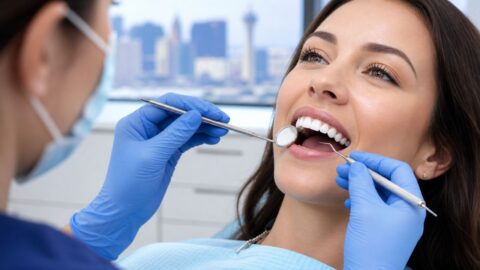
Get Professional Teeth Cleaning in Las Vegas
If you're searching for a dentist near me because it's been a while since your last cleaning, you're not alone. A lot of adults in Las Vegas put routine dental visits on the back burner until they notice bleeding gums, stubborn buildup, bad breath, or stains that don't brush away.
That delay matters. National dental market data show that only about 40% of working-age adults ages 19 to 64 had a dental visit in the past 12 months in 2022, which means many people are missing the simplest chance to prevent bigger problems early, according to the ADA Health Policy Institute dental care market data. A routine cleaning is often where we spot early gum irritation, tartar buildup, cavities, and other issues before they turn into pain or costly treatment.
In our Las Vegas office, I want patients to feel comfortable getting back on track. Whether you live in Desert Shores, Sunhampton, Sun City Summerlin, Monterrey, Lone Mountain, Mar-A-Lago, or Painted Desert Estates, a professional teeth cleaning should feel straightforward, helpful, and judgment-free.
Your Trusted Dentist for Professional Teeth Cleaning in Las Vegas
For those seeking a dentist in Las Vegas, NV, the expectation goes beyond a quick polish. They want a dental office that explains what's happening, respects their time, and helps them protect their health without pressure.
That's especially important for preventive care. Many adults are skipping regular visits, and that creates fewer chances to catch tartar buildup, gum inflammation, or early decay before symptoms become obvious. The practical cost of waiting is simple. Problems that begin without symptoms rarely stay small.
What patients are usually dealing with
By the time many patients book a cleaning and exam, they've noticed one or more of these:
- Bleeding when brushing: often a sign that the gums are irritated and need attention.
- A rough or chalky feeling on teeth: commonly caused by tartar that home brushing can't remove.
- Bad breath that keeps returning: often linked to plaque, tartar, or gum inflammation.
- Staining before an event or family photos: a common reason people finally schedule care.
- Dental anxiety after a long gap: one of the biggest reasons people keep postponing.
A good cleaning visit should address all of that calmly. It should also help you understand whether you need routine preventive care, or whether your gums need closer evaluation.
Why local care matters
Choosing a nearby office makes preventive care easier to keep up with. If your dentist is convenient to home, work, or school routes around Las Vegas, you're more likely to stay consistent with cleaning and exams, new patient exams, dental X-rays, and follow-up care when needed.
Practical rule: The best cleaning schedule is the one you'll actually keep.
Practices that focus on patient communication, retention, and education usually create a smoother experience for families and working adults. If you're curious how thoughtful communication shapes modern dental practices, this look at dental patient growth strategies is useful because it shows how practices build trust before a patient ever sits in the chair.
For patients looking for a long-term dental home in Las Vegas, that trust matters. A routine cleaning may be the first visit, but it often opens the door to better oral health, cleaner teeth, and a clearer plan for everything from preventive care to cosmetic dentistry, restorative dentistry, emergency dentist visits, tooth extraction needs, or even dental implants near me later on.
Understanding Prophylaxis The Core of Preventive Dental Care
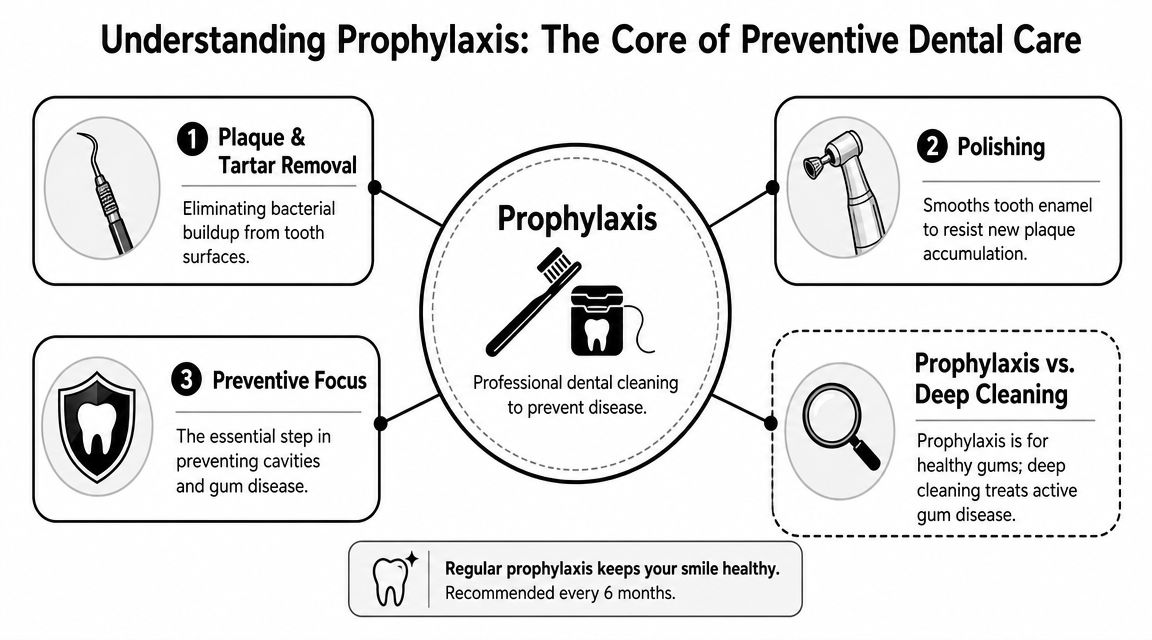
A routine professional teeth cleaning is called prophylaxis. Patients rarely use that term at the front desk, and that is completely fine. In practical terms, it means preventive cleaning that removes plaque, tartar, and stain before they contribute to cavities, gum inflammation, or more involved treatment later.
Plaque versus tartar
The difference matters.
Plaque is the soft bacterial film that forms on teeth every day. Good brushing and flossing can disrupt it. Tartar, also called calculus, is plaque that has hardened onto the teeth. Once that happens, home care is no longer enough. It has to be removed with dental instruments such as scalers and curettes, as explained in this overview of how professional teeth cleaning works.
| Build-up | What it feels like | Can you remove it at home | Why it matters |
|---|---|---|---|
| Plaque | soft, sticky film | often yes, with good brushing and flossing | feeds bacteria that irritate gums and teeth |
| Tartar | hard, rough deposit | no | creates a surface where more bacteria collect and stay active |
That rough surface is part of the problem. Tartar makes the gumline harder to clean well, especially behind lower front teeth and around the upper molars where buildup often collects faster. At Aspiring Smiles in Las Vegas, this is one of the main things we check during a routine cleaning visit because patients often feel the roughness long before they know what it is.
Why prophylaxis matters
A cleaning does more than leave teeth feeling smooth. The goal is to reduce the bacterial load in the mouth and remove deposits that keep irritating the gums.
Tartar does not come off with more brushing pressure. It comes off with trained hands and the right instruments.
That is why people who brush consistently can still need a professional cleaning. Technique helps. So does flossing. But some areas are harder to reach, and some patients build tartar faster than others because of crowding, dry mouth, restorations, or the natural chemistry of their saliva.
What prophylaxis can and can't do
Prophylaxis is the right service for patients whose gums are generally healthy or show only mild, reversible irritation. It helps prevent bigger problems and keeps routine care on track.
It does not treat active periodontal disease. If the gums are bleeding heavily, pockets are deeper than expected, or tartar extends below the gumline, a deeper periodontal cleaning may be the better fit. That difference matters for both health and cost, and it is one reason we examine the gums carefully before starting treatment.
For many Las Vegas patients, the biggest benefit is simple. Regular prophylaxis keeps a manageable problem small, which usually means easier visits, lower expense over time, and fewer surprises.
Your Dental Cleaning Appointment at Our Las Vegas Office
You arrive for a cleaning expecting scraping, noise, and a little uncertainty. By the time you leave, you should know what we did, what we found, and whether your gums look healthy enough for routine preventive care.
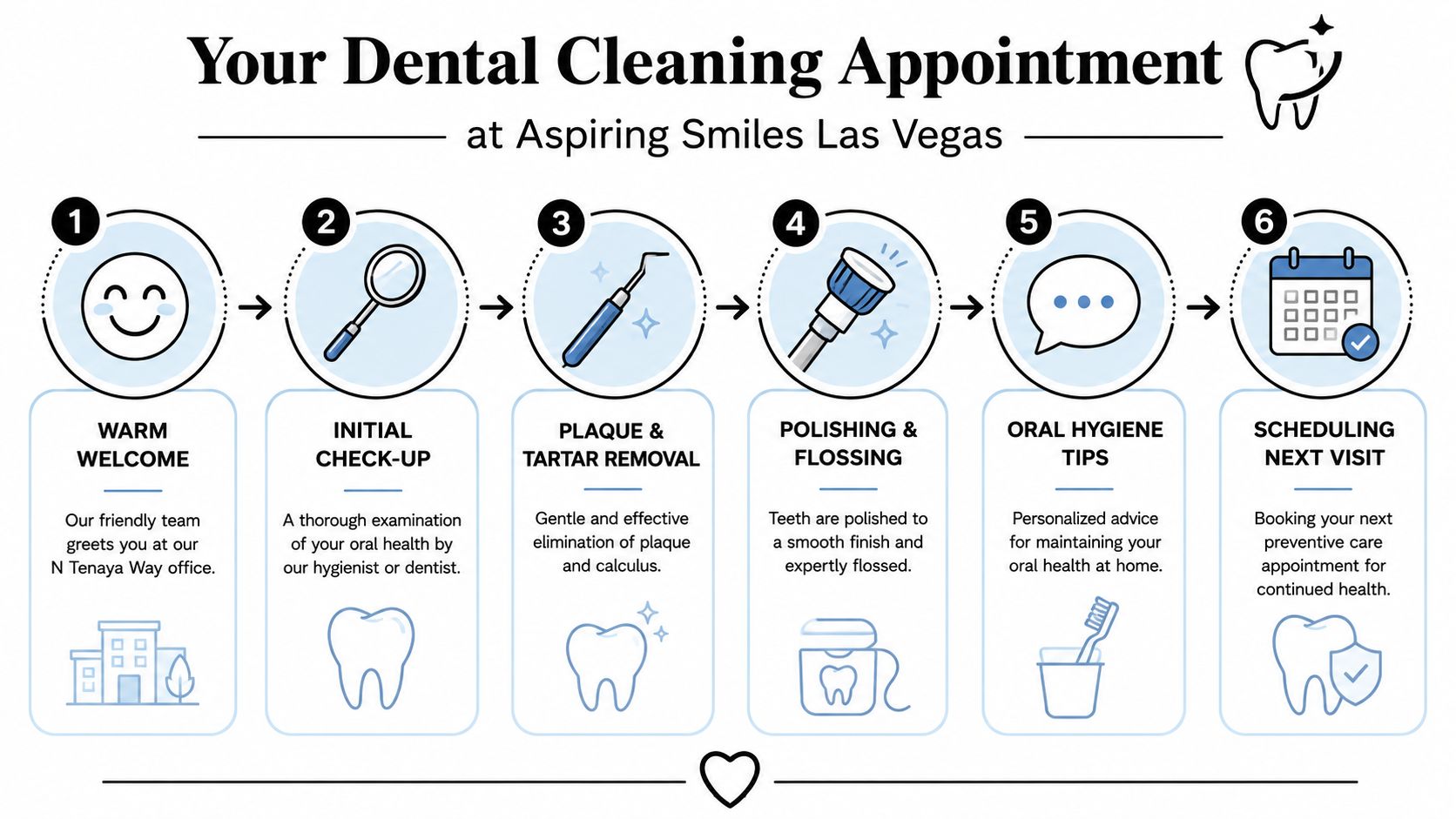
At our office on N Tenaya Way, we keep the visit straightforward and calm. Patients coming from Lone Mountain, Desert Shores, Painted Desert Estates, and Sun City Summerlin often tell us the same thing after the appointment. The process felt easier once they knew the order of events and what each step was for.
What the visit usually includes
A routine cleaning usually follows a clear sequence: a brief exam, removal of plaque and tartar, polishing, flossing, and fluoride when it makes sense for the patient, based on this overview of the professional dental cleaning procedure. The exact timing depends on how much buildup is present and whether updated X-rays or a closer gum evaluation are needed.
From the patient side, the appointment usually feels like this:
Check-in and a quick review of concerns
We start by asking how things have been since your last visit. New patients also go over medical history, dental history, and any specific concerns such as sensitivity, bleeding, or areas that trap food.Exam before the cleaning begins
Your teeth and gums are checked first so we know whether a routine prophylaxis is the right fit. If something looks deeper than a standard cleaning can address, we explain that before treatment starts. If X-rays are due or there is a reason to look below the surface, we take digital images at this stage.Scaling to remove hard buildup
This is the part that matters most. We remove tartar around the gumline and between the teeth using hand instruments or ultrasonic tools, depending on what will be most comfortable and effective. Heavy buildup takes longer. Sensitive areas may need a gentler pace.Polishing and flossing
Once the deposits are gone, we polish the teeth to remove surface stain and leave the enamel feeling smooth. We floss between the teeth to clear any remaining debris and to check for areas that bleed or catch.Fluoride if it will help
Fluoride is not automatic for every adult, and that is a good example of how preventive care should be personalized. For patients with sensitivity, higher cavity risk, or weak enamel, it can be a useful final step.
What the appointment feels like
For many patients, the biggest surprise is that the visit is more methodical than dramatic. You will hear some scraping and water. You may feel pressure in areas where tartar has built up. If your teeth are already fairly clean, the appointment is usually brief and comfortable. If there is more buildup, we slow down and work thoroughly rather than rushing through it.
That trade-off matters. A faster cleaning is not always a better cleaning.
Patients usually notice smoother teeth right away. Some also notice that floss slides more easily and that their mouth feels cleaner along the inside of the lower front teeth, where tartar often collects.
If you have been putting off a cleaning because you are worried it will hurt, the unknown is often the hardest part. At Aspiring Smiles, we explain what we are doing as we go, keep an eye on sensitivity, and tell you clearly if the visit is staying in the routine-cleaning category or if your gums need more involved periodontal care. That clarity is part of why local patients looking for a dentist in Las Vegas choose our office for preventive visits.
More Than Just a Bright Smile Health Benefits of Cleanings
A cleaner smile is nice. It's not the main reason professional teeth cleaning matters.
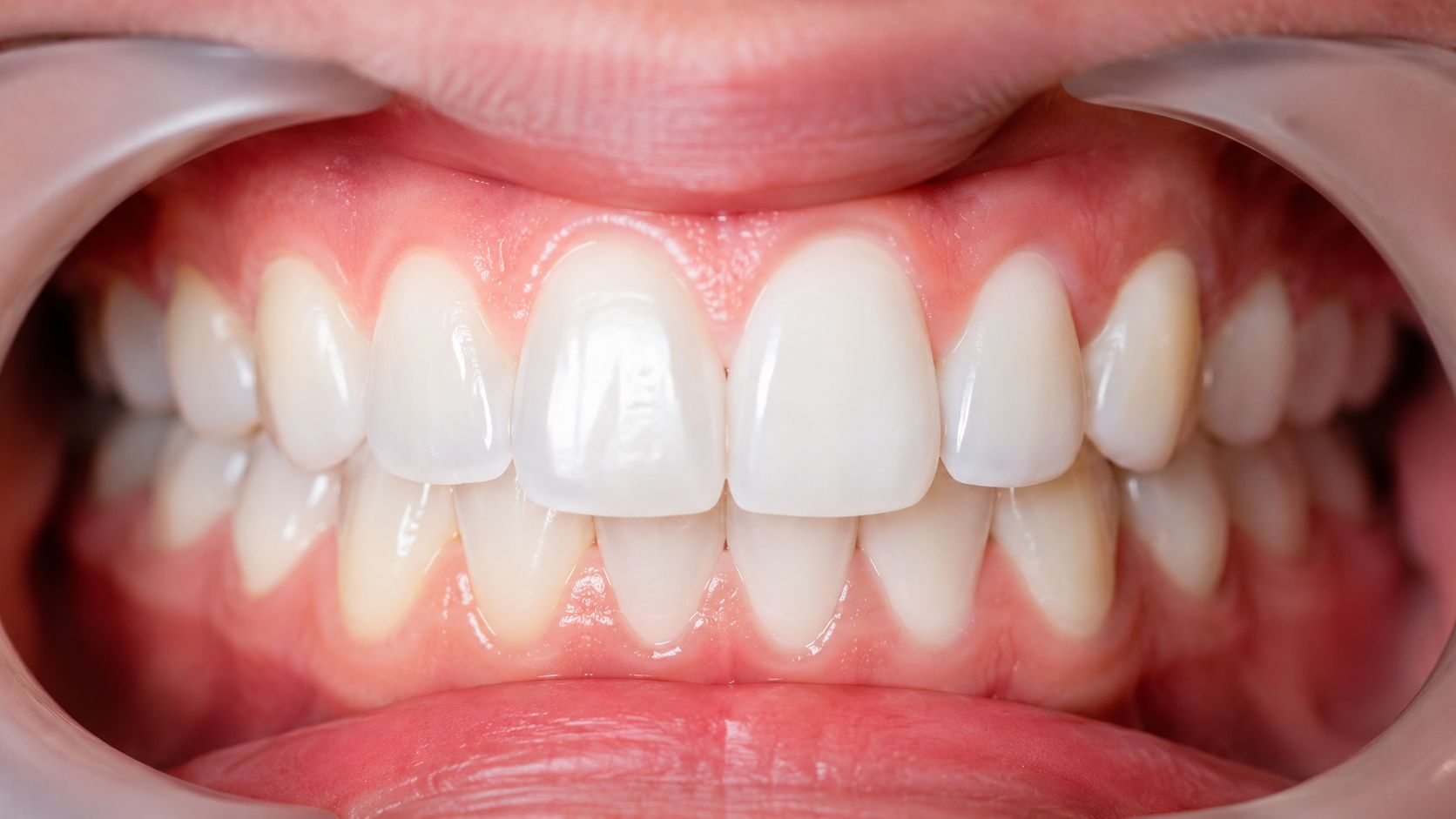
When tartar is removed, the gums have a better chance to stay calm and healthy. That helps lower the risk of gingivitis, which is the earliest stage of gum disease. It also reduces the places where cavity-causing bacteria like to gather and linger.
What a cleaning helps prevent
A routine cleaning and exam supports oral health in several practical ways:
- Less gum irritation: removing buildup around the gumline helps reduce inflammation.
- Lower cavity risk: smoother, cleaner surfaces are easier to maintain at home.
- Fresher breath: persistent odor often improves when plaque and tartar are removed.
- Earlier problem detection: visits create time to notice changes before they become painful.
This is the part many people underestimate. The cleaning visit isn't just about removing deposits. It's also one of the few times a dental team has a regular opportunity to examine the mouth carefully and look for issues that may not hurt yet.
What we may catch during a routine visit
During preventive appointments, dentists often identify concerns that patients haven't noticed, such as:
| Concern | Why it matters |
|---|---|
| Cracked teeth | small cracks can worsen under chewing pressure |
| Failing fillings | worn edges can trap bacteria and lead to decay |
| Gum changes | bleeding, swelling, or recession may need closer attention |
| Suspicious soft tissue changes | anything unusual should be evaluated early |
That's why many patients who come in for a simple cleaning also leave with useful answers about other concerns, whether that involves restorative dentistry, cosmetic dentist near me questions, teeth whitening options, or planning around future dental implants.
A quick visual overview can also help if you like to understand the bigger preventive picture:
Why prevention feels easier than repair
Most dental treatment becomes more involved after symptoms start. A small issue can usually be handled more easily than the same issue after months of delay.
Cleanings are one of the few appointments that can save you from needing a much bigger one later.
This is its primary value. A professional teeth cleaning supports comfort, gum health, and earlier diagnosis. The brighter smile is just the visible part.
Personalizing Your Cleaning Schedule Beyond a Six-Month Rule
“Every six months” is still a useful rule of thumb. It just isn't the whole story.
Modern guidance is more individualized. Adults at low risk may need much longer recall intervals, while higher-risk patients may benefit from shorter ones. Guidance summarized by NICE allows recall intervals from 3 to 24 months depending on risk, and patient-focused dental guidance reflects that same shift toward personalized scheduling in this discussion of risk-based cleaning frequency.
Who may need more frequent visits
A shorter interval often makes sense when plaque control is harder or gum risk is higher. That can include people with:
- A history of gum disease
- Heavy tartar buildup
- Smoking habits
- Diabetes
- Braces or other orthodontic appliances
- Implants or complex restorative work
- Dry mouth
For these patients, waiting too long between preventive visits can make routine maintenance harder and discomfort more likely. More frequent cleanings aren't about selling extra appointments. They're about matching care to the way your mouth behaves.
Who may not need the same schedule
Some low-risk adults with stable oral health, low decay risk, and healthy gums may not need the exact same interval as someone with repeated buildup or inflammation. That's where thoughtful dental care matters. A schedule should reflect your risk, your home care, and your history, not just a habit.
A smart recall plan fits the patient, not the calendar.
There's also an important difference between routine prophylaxis and periodontal maintenance. If you've been told you may need more involved gum treatment, this guide on how often you should get a deep teeth cleaning can help you understand how that recommendation differs from a standard cleaning.
What works best in practice
The patients who do best usually have three things in place:
- A realistic recall interval based on their risk.
- Clear home-care instructions they can follow.
- Follow-through with regular cleaning and exams.
That approach is more useful than repeating “twice a year” to everyone regardless of what their gums, teeth, and habits are showing.
Affordable Dental Care Options at Aspiring Smiles
Cost is one of the biggest reasons people postpone preventive care. Patients often assume a cleaning will be expensive, confusing, or impossible without insurance. In many cases, it's more manageable than they expect once the options are explained clearly.
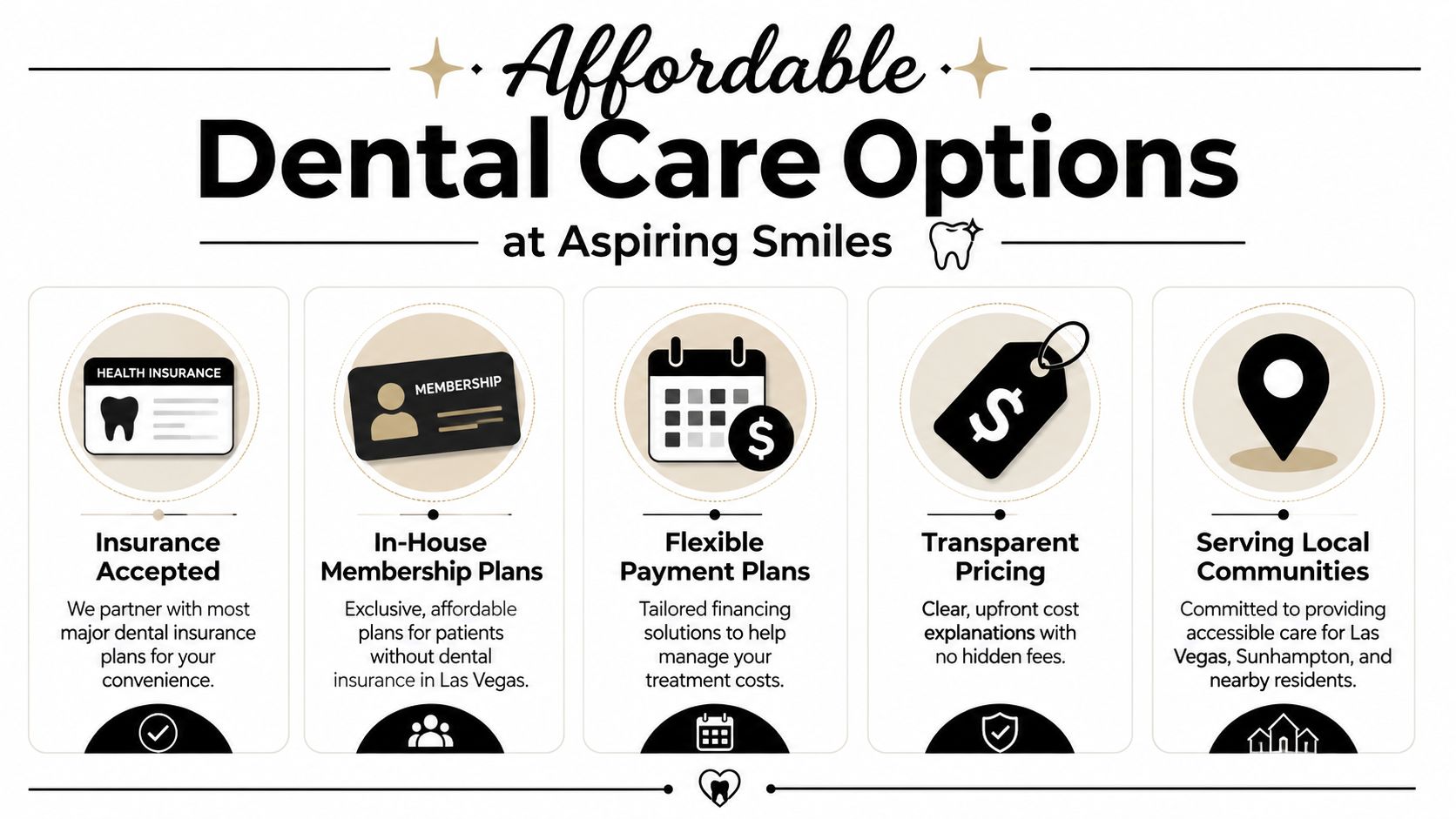
Common ways patients pay for preventive care
A professional teeth cleaning is a preventive service, so many dental insurance plans include coverage for routine cleanings, exams, and related preventive visits. Coverage details vary by plan, but preventive benefits are often one of the first places to look before delaying treatment.
For patients without insurance, the next step is usually to compare practical options:
- Insurance benefits: many patients use in-network or accepted out-of-network dental benefits for cleaning and exams.
- Membership plans: in-house programs can make routine care more predictable for uninsured patients.
- Flexible payments: some treatments beyond preventive care may be easier to manage with financing arrangements.
- Clear estimates: asking for a breakdown before treatment helps avoid surprises.
If affordability is one of your main concerns, our page about affordable dental care in Las Vegas gives a useful overview of how patients can approach routine and follow-up treatment costs.
Why preventive care is usually the most practical place to start
Patients often focus on the price of a cleaning visit by itself. The more useful question is whether postponing that visit increases the chance of needing more involved care later. In many cases, it does.
That's why some families choose to prioritize cleanings and exams even if they delay cosmetic services such as teeth whitening. Others begin with preventive care, then plan restorative or cosmetic treatment in phases.
A straightforward approach for Las Vegas families
At Aspiring Smiles Dental and Braces, patients typically ask for three things: transparent pricing, help understanding insurance, and an option for ongoing care if they don't have traditional dental coverage. That's a practical way to think about it if you live in Las Vegas, Sunhampton, or Monterrey and want a long-term dental office instead of a one-time visit.
Preventive care is easier to budget for when the office explains costs before treatment, not after.
That kind of transparency matters whether you're booking a routine cleaning, asking about cosmetic dentistry, planning restorative dentistry, or exploring larger services such as tooth extraction or dental implants near me.
Your Teeth Cleaning Questions Answered
Patients usually have a few final questions before they book. Here are the ones I hear most often.
Is a professional teeth cleaning painful
Usually, a routine cleaning is more uncomfortable in anticipation than in reality. If you have sensitive teeth, inflamed gums, or heavy tartar buildup, parts of the cleaning can feel tender, but most patients tolerate it well. Let your dental team know if you're anxious or sensitive so the visit can be paced appropriately.
What's the difference between a regular cleaning and a deep cleaning
A regular cleaning is preventive. It removes plaque and tartar from above the gumline and around visible tooth surfaces.
A deep cleaning, also called scaling and root planing, is different. If you have active periodontal disease, a regular cleaning may not be enough. A regular cleaning can help treat gingivitis, but if periodontitis is present, you may need scaling and root planing to address bacteria below the gumline before moving to a maintenance schedule, as explained in this overview of periodontal disease treatment and deep cleaning.
Will a cleaning fix bleeding gums
Sometimes, yes. If the bleeding is from mild gum inflammation or gingivitis, a routine cleaning can help. If the bleeding is related to deeper periodontal disease, you may need more than a standard prophylaxis.
Can I whiten my teeth at the same appointment
Sometimes that can be planned, but it depends on your oral health and what the exam shows. Teeth whitening works best after the teeth are clean and the gums are healthy. If you're also considering cosmetic dentist near me options, ask about timing so your whitening results look their best.
What should I do after my cleaning
Keep it simple:
- Brush thoroughly: especially along the gumline.
- Floss daily: this helps maintain the areas your toothbrush misses.
- Watch for sensitivity: mild sensitivity can happen briefly after a cleaning.
- Follow your recall plan: don't default to guessing when to come back.
When should I book sooner than planned
Don't wait for your next routine visit if you notice persistent bleeding, swelling, pain, a broken tooth, or sudden sensitivity. Those symptoms may call for an exam sooner, and in some cases, emergency dentist care.
If you're ready to schedule a professional teeth cleaning, a new patient exam, or a full preventive visit in Las Vegas, Aspiring Smiles Dental and Braces welcomes patients from Desert Shores, Sunhampton, Sun City Summerlin, Monterrey, Lone Mountain, Mar-A-Lago, and Painted Desert Estates. Whether you need a routine cleaning, dental X-rays, cosmetic guidance, restorative care, or help deciding if you need more than a standard cleaning, our team can help you take the next step with clear answers and comfortable care.