Why Regular Dental Checkups Are Essential for Families
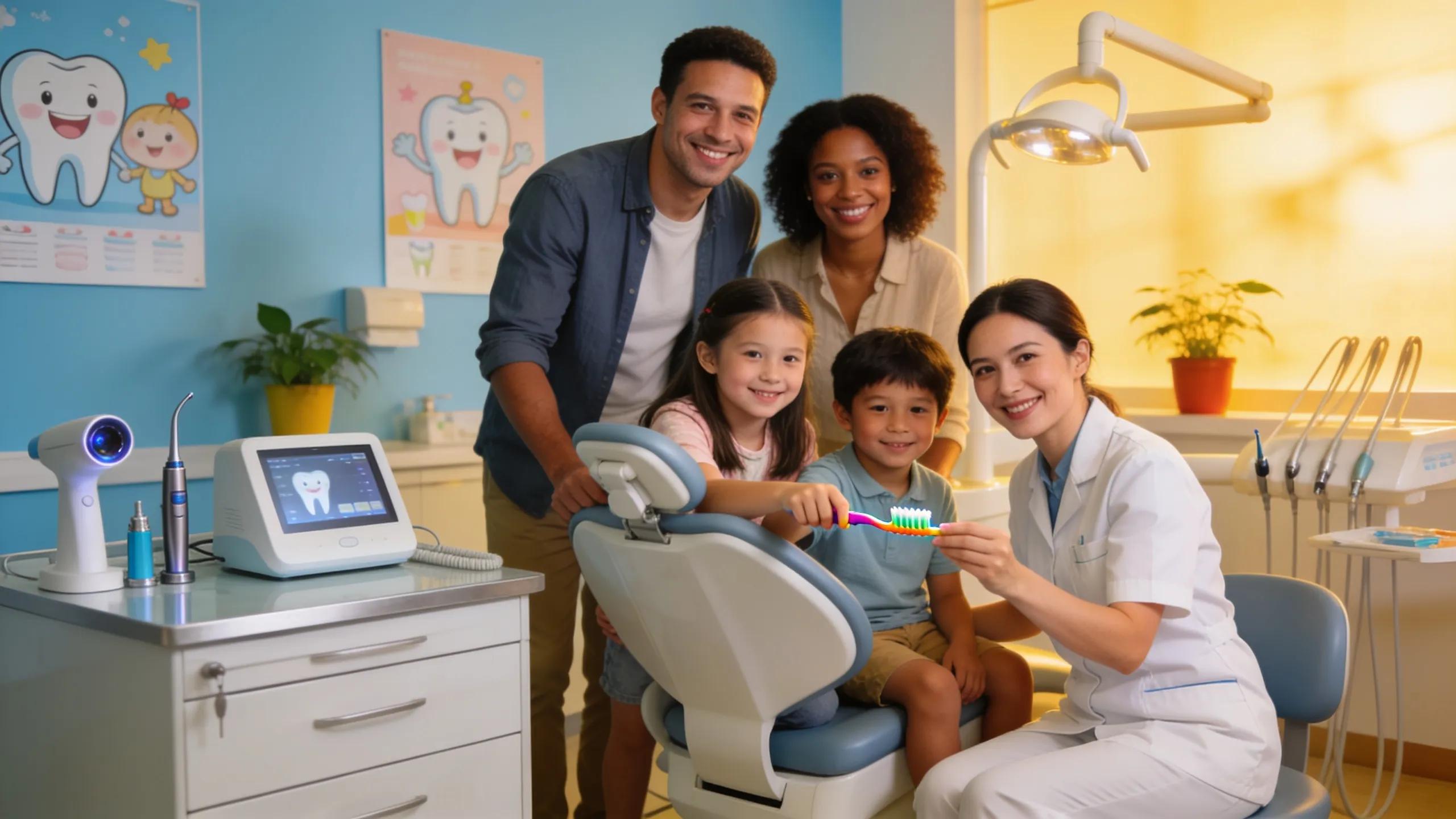
Why Regular Dental Checkups Are Vital for Family Health
By Dr Mohini Patel, Aspiring Smiles Dental and Braces
Regular dental checkups are one of the simplest ways families can protect long-term oral health. These visits do more than clean teeth — they help catch problems early, guide better daily care, and keep everyone’s smiles healthy. Busy schedules and uncertainty about what checkups involve sometimes get in the way. Below, we explain why routine dental visits matter for families, share practical scheduling tips, and offer ways to prepare so appointments are smooth and stress-free.
Benefits of Regular Dental Checkups:
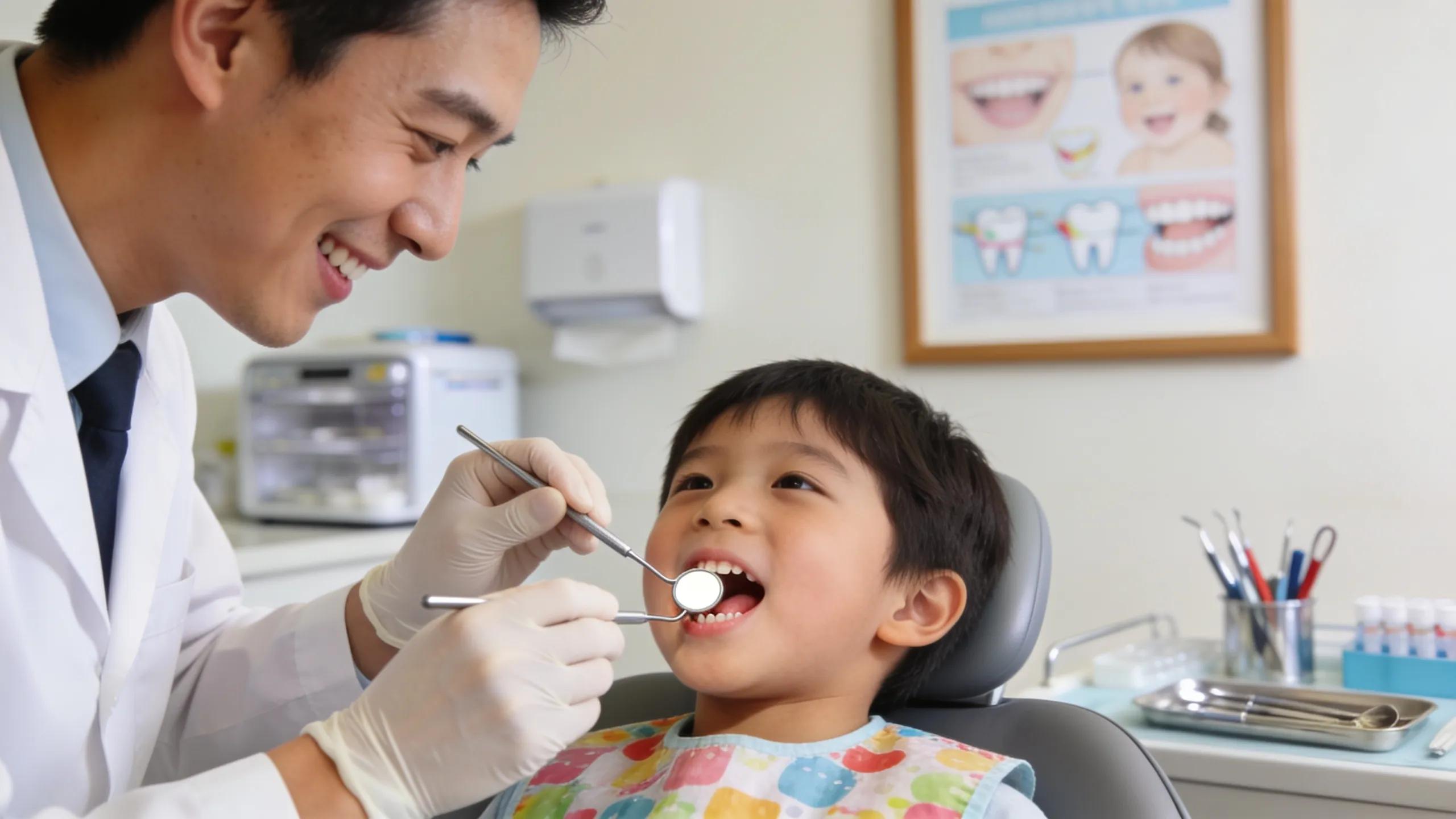
Consistent dental visits deliver clear advantages for every family member — from toddlers to grandparents.
- Preventive Care: Regular exams catch early signs of decay or gum disease so problems can be treated before they escalate.
- Professional Cleanings: Hygienists remove plaque and tartar hard to reach at home, lowering the chance of cavities and gum inflammation.
- Personalized Oral Care Advice: We give practical, age-appropriate guidance so kids and adults know exactly how to care for their smiles.
- Ongoing Monitoring: Routine checkups let us track healing, orthodontic progress, or any changes to your oral health and act promptly when needed.
- Family-Friendly Coordination: Booking multiple family members at once saves time and helps everyone build a consistent dental routine.
This table highlights how each benefit supports stronger, more consistent oral health for families.
Effective Scheduling Practices:

Good scheduling habits help families stay on track with dental care. Try these practical strategies:
- Biannual Checkups: Aim for visits every six months to keep prevention on schedule.
- Group Bookings: Coordinate appointments for several family members on the same day to cut down travel and disruption.
- Flexible Times: Choose a practice with evening or weekend hours when possible to fit busy family lives.
- Appointment Reminders: Use phone calls, texts, or emails to reduce missed visits.
- Bring Questions: Use checkups as a chance to ask about any concerns so issues are addressed quickly.
How Often Should Children and Adults Schedule Dental Checkups?
Most people do well with a checkup every six months. Children may need more frequent visits during growth and tooth changes, while adults with specific conditions may follow a customized plan. Your dentist will recommend the best interval for each family member.
How Does Regular Scheduling Support Long-Term Family Oral Health?
Making dental visits part of your family’s routine helps prevent neglect and catches issues early. Over time, this proactive approach reduces the chance of complex, expensive treatments and keeps smiles healthier and more comfortable.
How Can Families Prepare for Their Dental Checkup Visits?
Preparing ahead makes appointments easier and less stressful. Consider these simple tips:
- Basic Prep: Brush and floss before your visit for a fresher feel and clearer exam.
- Bring Paperwork: Carry insurance cards, ID, and any recent dental records to speed check-in.
- Help for Kids: Explain the visit in calm, age-appropriate terms to ease anxiety and set expectations.
What Convenience and Comfort Measures Does Aspiring Smiles Offer?
Aspiring Smiles Dental and Braces focuses on creating a warm, family-friendly experience. Our team takes time to explain care, answer questions, and make every visit comfortable — especially for children. We prioritize clear communication so families leave feeling informed and reassured.
How Can Families Easily Schedule Their Dental Checkups in Las Vegas?
Scheduling with a family-focused practice makes care straightforward. Here’s how to get started:
- Pick a Family Dentist: Choose a practice experienced with all ages to cover everyone’s needs.
- Book Online: Many offices, including Aspiring Smiles, offer online appointment requests for quick scheduling.
- Confirm Insurance: Check coverage ahead of time to avoid surprises and plan treatments within your benefits.
What Are the Available Appointment Methods at Aspiring Smiles Dental and Braces?
Aspiring Smiles Dental and Braces makes booking simple with multiple options:
- Phone Appointment: Call our office at (702) 508-6699 to speak with our team and reserve a time.
- Online Requests: Request appointments through our website for convenience.
- Flexible Hours: We offer scheduling options to fit busy family routines.
Why Choose Aspiring Smiles for Family Dental Care in Las Vegas?
Aspiring Smiles offers family-centered care with a focus on comfort, education, and long-term oral health. Parents can trust our team to treat children gently, explain treatments clearly, and help families build healthy dental habits. By emphasizing prevention and clear communication, we partner with families to keep smiles healthy at every stage of life.
Frequently Asked Questions
What age should children start visiting the dentist?
Children should have their first dental visit by their first birthday or within six months after their first tooth appears. This early assessment helps monitor dental development and allows pediatric dentists to provide guidance on oral care practices. Early visits can also help acclimate children to the dental environment, reducing anxiety for future appointments.
How can I help my children feel more comfortable during dental visits?
To ease your children's anxiety during dental visits, begin by discussing what to expect in positive, simple terms. Familiarize them with dental instruments through storybooks or videos. Role-play a dental visit at home and ensure your child understands it’s a routine checkup, not something to fear. Additionally, praising their bravery after the appointment can reinforce a positive association with dental care.
What should I do if my child has a dental emergency?
If your child experiences a dental emergency—like a knocked-out tooth or severe toothache—contact your dentist immediately. For a dislodged tooth, try to place it back in its socket carefully or store it in milk if that’s not possible. For a toothache, rinse the mouth with warm salt water and apply a cold compress to reduce swelling. Never hesitate to seek emergency dental care for timely intervention.
How can I choose the right family dentist?
When selecting a family dentist, consider their experience with different age groups, especially children and elderly family members. Read reviews and ask for referrals from friends or family about their experiences. Visit the practice to assess the environment; it should feel welcoming and kid-friendly. Ensure that the dentist has open communication and is willing to discuss treatment options thoroughly with you.
What can I expect during my family’s dental checkup?
During a family dental checkup, expect a comprehensive examination of teeth, gums, and mouth tissues. The dentist will review dental history, conduct a cleaning to remove plaque and tartar, and check for cavities or gum disease. After the examination, you will receive personalized advice regarding oral care tailored to each family member's needs. The length of the appointment may vary based on the number of individuals being seen.
Are dental checkups necessary if there are no apparent issues?
Yes, regular dental checkups are essential, even in the absence of apparent problems. Many dental issues, such as cavities or gum disease, can develop without visible symptoms. Routine visits allow the dentist to catch any issues early, apply preventive treatments, and provide professional cleaning that reduces the risk of more serious problems in the future. Proactive care is crucial for maintaining overall dental health.
What are some tips for maintaining oral hygiene between dental visits?
To maintain oral hygiene between dental visits, encourage your family to brush their teeth at least twice a day with a fluoride toothpaste and floss daily. Limit sugary snacks and drinks, and opt for a balanced diet rich in fruits and vegetables. Regularly replace toothbrushes every three to four months, and use mouthwash to help reduce plaque. Teaching kids proper brushing techniques can also help them establish a good daily routine.