Root Canal Therapy Near Me
Root Canal Therapy Near Me: Finding Trusted Local Care
When tooth pain starts interfering with meals, sleep, or work, finding a nearby dentist quickly becomes a priority. You may search for “root canal therapy near me” because the pain is getting worse, a tooth feels unusually sensitive, or another dentist has told you that the nerve inside the tooth may be infected.
Location matters when you need urgent dental care, but convenience should not be the only factor in your decision. The right dental office should be able to determine what is causing the pain, explain whether the tooth can be saved, and provide a clear plan for restoring it after treatment.
Aspiring Smiles Dental and Braces provides root canal treatment, emergency dentistry, dental crowns, and other restorative services for patients in Las Vegas and the surrounding area. The practice is located on North Tenaya Way and offers appointments Monday through Saturday, providing additional scheduling flexibility for patients dealing with dental pain.
Why Would a Tooth Need Root Canal Therapy?
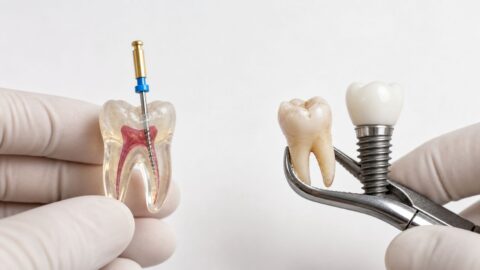
The hard exterior of a tooth protects a softer inner area known as the pulp. This tissue contains nerves, blood vessels, and connective tissue. When bacteria reach the pulp through deep decay, a crack, a chip, a leaking restoration, or a dental injury, the tissue can become inflamed or infected.
Root canal therapy removes the damaged tissue from inside the tooth. The dentist then cleans, shapes, fills, and seals the root canals to prevent bacteria from continuing to spread. Once the internal treatment is complete, the tooth is restored so it can continue functioning.
The goal is to preserve a natural tooth that might otherwise need to be extracted. Root canal treatment can relieve pain caused by an inflamed or infected pulp while allowing the remaining tooth structure to stay in place.
Symptoms That Should Not Be Ignored
A tooth does not have to hurt constantly to need treatment. Symptoms may appear gradually, disappear temporarily, or become noticeable only when you chew.
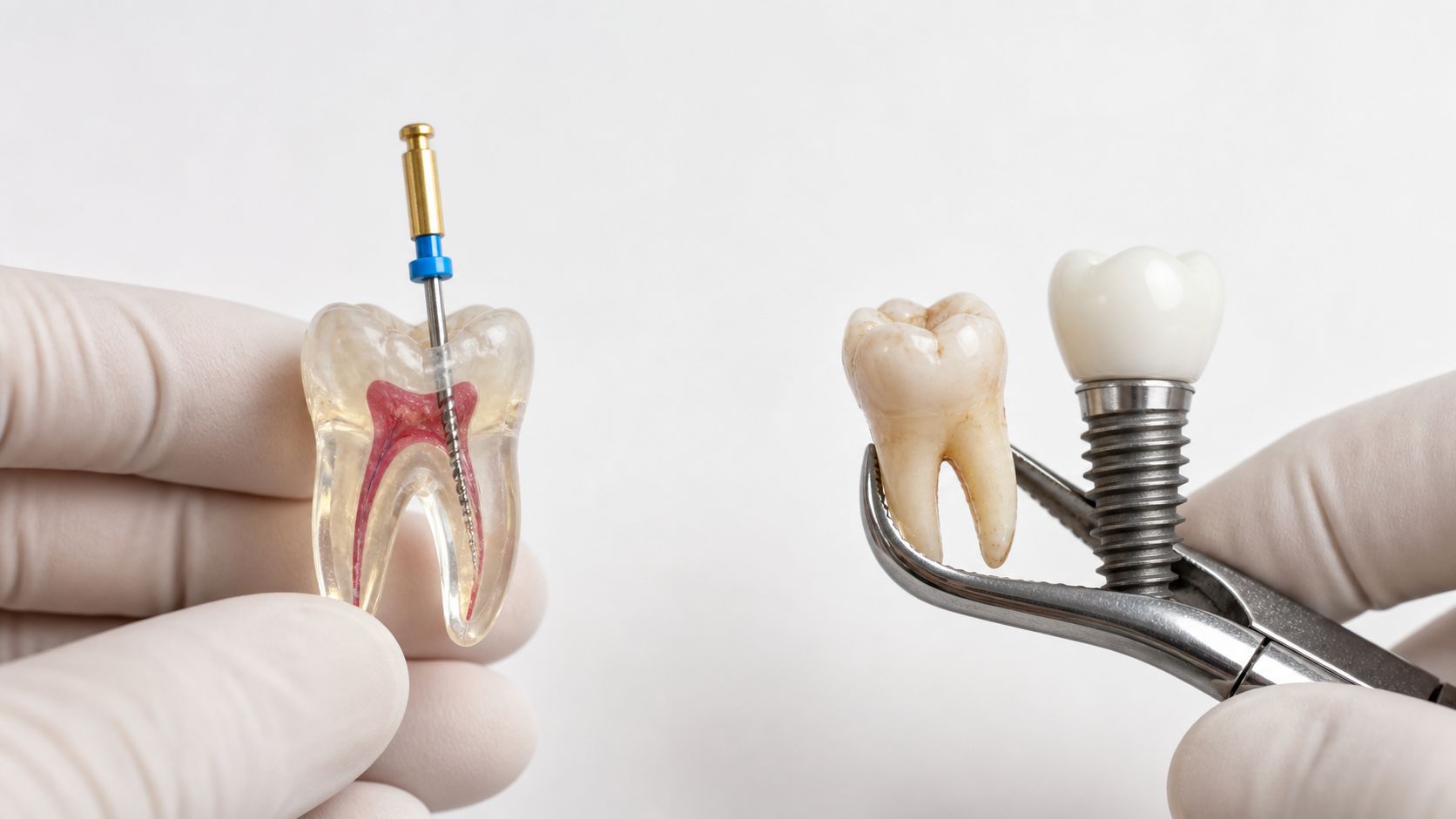
Signs that should prompt a dental evaluation include persistent tooth pain, lingering sensitivity after consuming something hot or cold, discomfort when biting, swelling around a tooth, or a small bump on the gum. A tooth that becomes darker after an injury may also need to be examined.
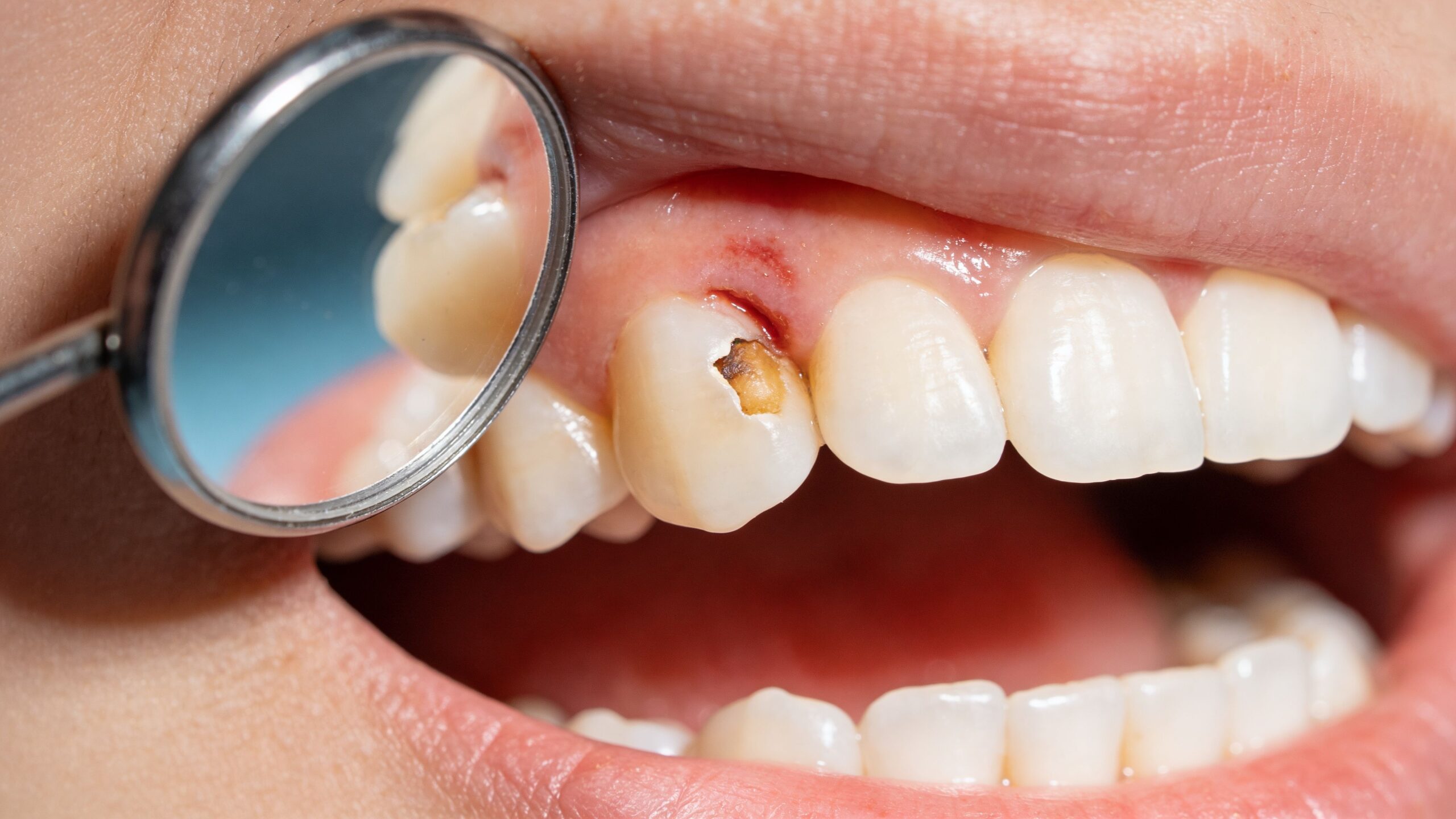
Cracks and chips can expose the inner tooth even when the damage looks minor from the outside. An injury can also damage the pulp without causing a visible fracture. When inflammation or infection is not treated, it can lead to an abscess and further damage around the tooth.
Some patients make the mistake of waiting because their pain improves. In certain cases, pain may decrease after the nerve inside the tooth loses its ability to respond. The infection, however, may still be present.
Contact a dentist promptly when symptoms continue or worsen. Facial swelling, fever, difficulty swallowing, or trouble breathing may indicate a more serious infection and should be treated as an urgent medical concern.
Not Every Toothache Requires a Root Canal
Tooth pain can have several causes. A small cavity may need a filling, while a cracked filling or crown may need to be repaired. Gum inflammation, teeth grinding, bite pressure, and exposed tooth roots can also cause sensitivity.
A trustworthy dentist will not recommend root canal therapy based only on the fact that a tooth hurts. The visit should include a careful examination and appropriate imaging to identify the source of the problem.
The dentist may ask when the discomfort began, what triggers it, and whether sensitivity fades quickly or lingers. The tooth may be tested by applying gentle pressure, checking the bite, examining the gums, or comparing its response with nearby teeth.
Dental X-rays can reveal deep decay, changes around the root, previous dental work, and other problems that cannot be seen during a visual examination. Aspiring Smiles also offers 3D cone beam dental scans. This technology may provide additional three-dimensional information about the teeth, roots, bone, and nearby structures when more detailed imaging is clinically useful.
Not every patient needs a cone beam scan for a root canal. The type of imaging used should depend on the tooth and the complexity of the case.
What Happens During Root Canal Treatment?
Once the tooth has been diagnosed and treatment is recommended, the dentist begins by numbing the area with local anesthetic. A protective dental dam is commonly placed around the tooth to keep the treatment area isolated and clean.
The dentist creates a small opening in the tooth and removes the inflamed or infected pulp. The narrow canals inside the roots are then cleaned and shaped before being filled and sealed.
Modern root canal therapy is performed with anesthesia and is generally comparable in comfort to other routine dental procedures. Some soreness or numbness may remain afterward, and mild discomfort can continue for a few days as the surrounding tissues recover.
The number of appointments can vary. Some teeth can be treated during one visit, while more complex cases may require additional care. The location of the tooth, number and shape of the canals, extent of infection, and previous dental treatment can all affect the procedure.
Why the Tooth May Need a Crown
Removing the infection does not automatically restore the strength of the tooth. Many teeth that require root canal therapy have already been weakened by large cavities, cracks, old fillings, or structural damage.
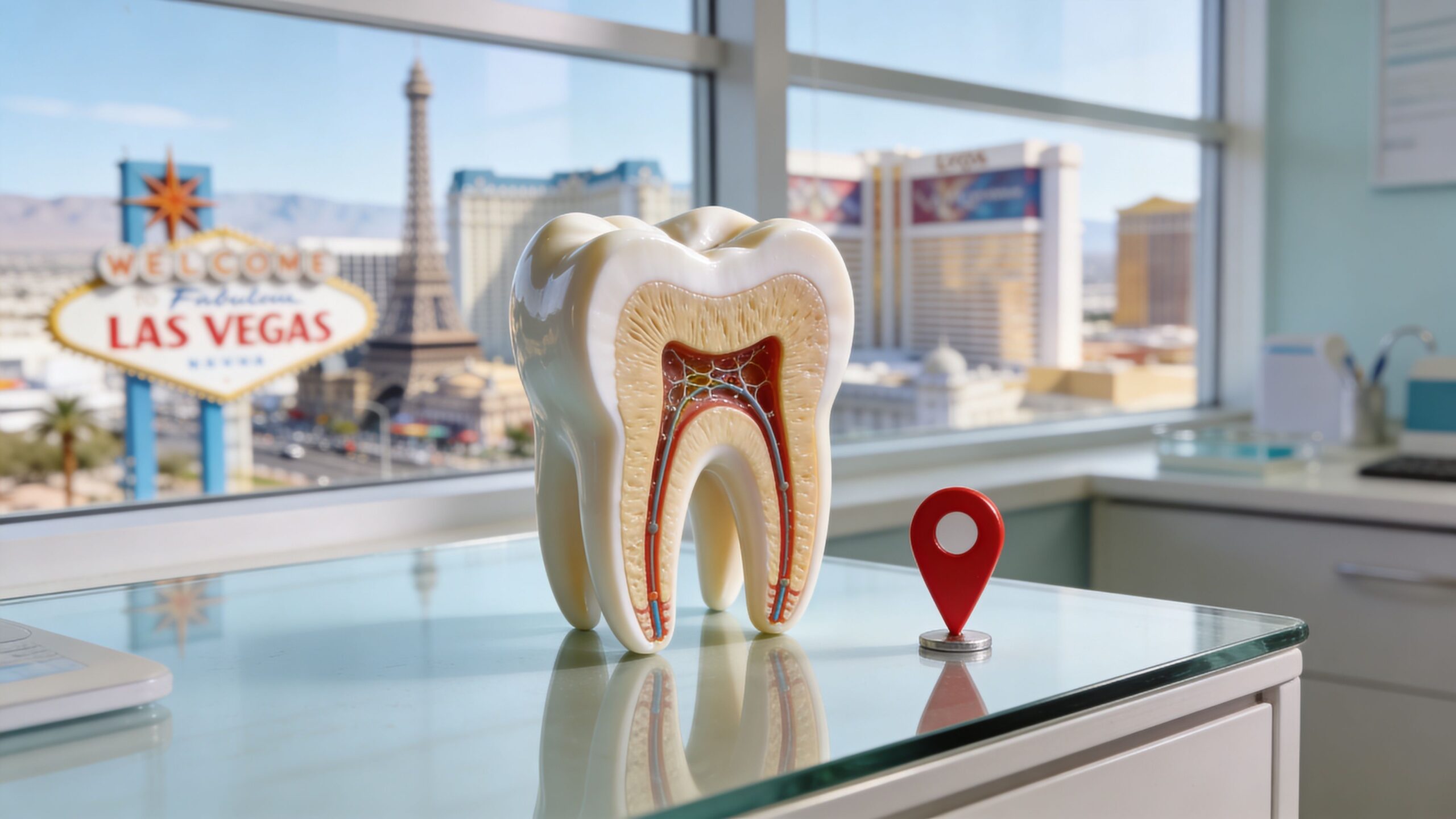
After the canals have been treated, the tooth usually needs a permanent filling, crown, or another restoration. A crown covers the visible portion of the tooth and helps protect it from breaking under chewing pressure.
Back teeth are especially likely to need dental crowns because molars and premolars handle substantial force during eating. Front teeth may sometimes be restored differently, depending on how much healthy tooth structure remains.
Aspiring Smiles provides dental crowns and other restorative services in addition to root canal care. This allows the dental team to plan both the internal treatment and the final restoration needed to return the tooth to function.
Delaying the final restoration can leave the treated tooth vulnerable. Until the dentist confirms that the tooth is fully restored, avoid chewing especially hard or sticky foods on that side.
When Might You Need an Endodontist?
General dentists routinely diagnose tooth pain and may perform root canal treatment. An endodontist is a dentist who has completed additional training focused on conditions involving the dental pulp and roots.
A referral may be recommended when a tooth has unusually complex canals, has already undergone root canal treatment, has experienced significant trauma, or presents another clinical complication.
A previously treated tooth can occasionally develop new pain or disease months or years later. In those cases, endodontic retreatment may be able to remove new infection and give the tooth another opportunity to heal.
Patients do not usually need to decide on their own whether to see a general dentist or an endodontist. A local dentist can perform the initial examination and explain whether the case can be treated in the office or would benefit from specialist care.
Referring a patient does not mean the dentist has failed. It is often a sign that the provider is selecting the most appropriate level of care for a complicated tooth.
How to Evaluate Local Root Canal Care
A nearby location is useful, especially when you are in pain, but trusted care involves more than distance. Look for an office that provides a complete examination before treatment and explains the diagnosis in understandable terms.
Ask whether the tooth can be predictably saved, what alternatives are available, and whether a crown will be needed afterward. You should also understand how many visits are anticipated, what the total treatment plan includes, and what symptoms would require a follow-up call.
Patient experience matters as well. Dental pain can make an already anxious person feel even more nervous. Aspiring Smiles emphasizes listening to patient concerns and helping people understand what to expect during treatment. Reviews published on the practice’s website also mention patience and support for patients who feel anxious about dental visits.
Clear communication should continue after the procedure. The office should provide instructions for eating, cleaning the area, managing temporary tenderness, and protecting the tooth until the final restoration is completed.
Know When to Call After Treatment
Mild soreness after a root canal can be normal, but symptoms should gradually improve. Contact the dental office when you experience severe pain or pressure lasting more than a few days, visible swelling, an uneven bite, or a temporary filling or crown that comes out.
You should also call if the original symptoms return. A treated tooth that begins hurting again needs to be evaluated rather than managed indefinitely with over-the-counter medication.
Following the dentist’s instructions and completing the recommended restoration are important parts of the recovery process.
Understanding Cost and Payment Options
The cost of root canal therapy depends on the tooth being treated and the complexity of the case. Front teeth often have fewer canals, while molars may have several canals that require additional time and treatment.
The cost of the final restoration should also be considered. A quote for the root canal alone may not include the crown, filling, or other work required to protect the tooth afterward.
Dental insurance may cover part of the treatment, but deductibles, annual maximums, and coverage percentages vary. Ask the office to provide an estimate that clearly separates the root canal from the final restoration.
Aspiring Smiles accepts a variety of insurance plans and offers flexible financing and in-house payment options. Financial arrangements should be reviewed before treatment so patients understand their expected responsibility and payment choices.
Find Root Canal Therapy in Las Vegas
Searching for “root canal therapy near me” is often a sign that a tooth has already become difficult to ignore. The sooner the problem is evaluated, the sooner you can learn whether the tooth can be preserved and what treatment is needed.
Aspiring Smiles Dental and Braces provides root canal therapy and restorative dental care at 3211 N. Tenaya Way, Suite 122, Las Vegas, NV 89129. The practice is open Monday through Saturday and accepts new patients.
To schedule an evaluation, call (702) 508-6699. The dental team can identify the source of your symptoms, explain whether root canal treatment is appropriate, and create a plan for relieving discomfort and restoring the tooth.
Aspiring Smiles Dental and Braces
https://maps.app.goo.gl/CsTiSxHKrUP6EYU58
(702) 803-3442
N Tenaya Wy Suite 122 Las Vegas, NV 89129
https://www.3ddentaltexas.com/