Oral Surgery Near Me
Oral Surgery Near Me: Common Procedures and Recovery Tips
The phrase “oral surgery” can sound intimidating, especially when you are already dealing with a painful tooth, swelling, or difficulty chewing. In reality, oral surgery includes a wide range of procedures. Some are relatively straightforward and completed in a dental office, while others require treatment from an oral and maxillofacial surgeon. When people search for “oral surgery near me,” they are often looking for help with a damaged tooth, impacted wisdom teeth, missing teeth, or jawbone loss. The first step is not necessarily scheduling surgery. It is receiving an examination to determine what is causing the problem and whether a surgical procedure is genuinely necessary. Aspiring Smiles Dental and Braces provides oral surgery services for patients in Las Vegas and surrounding communities. The practice offers tooth extractions, wisdom teeth removal, dental implant surgery, bone grafting related to implant treatment, and certain soft-tissue laser procedures. When a condition requires more advanced jaw, facial, or hospital-based surgery, a referral to an appropriate specialist may be recommended.What Does Oral Surgery Include?
Oral surgery refers to procedures involving the teeth, gums, jawbone, or other tissues of the mouth. It may be recommended when a condition cannot be resolved predictably with a filling, crown, root canal, orthodontic treatment, or another nonsurgical approach. Not every procedure is equally complex. Removing a fully erupted tooth is very different from treating an impacted wisdom tooth beneath the gums. Dental implant placement also requires a different treatment plan and recovery process than soft-tissue laser treatment. A general dentist may perform many common oral procedures in the office. Complex impacted teeth, facial trauma, jaw abnormalities, unusual medical risks, or advanced reconstructive needs may require the training and facilities of an oral and maxillofacial surgeon. Aspiring Smiles evaluates patients and can explain whether care can be completed at the practice or should be referred.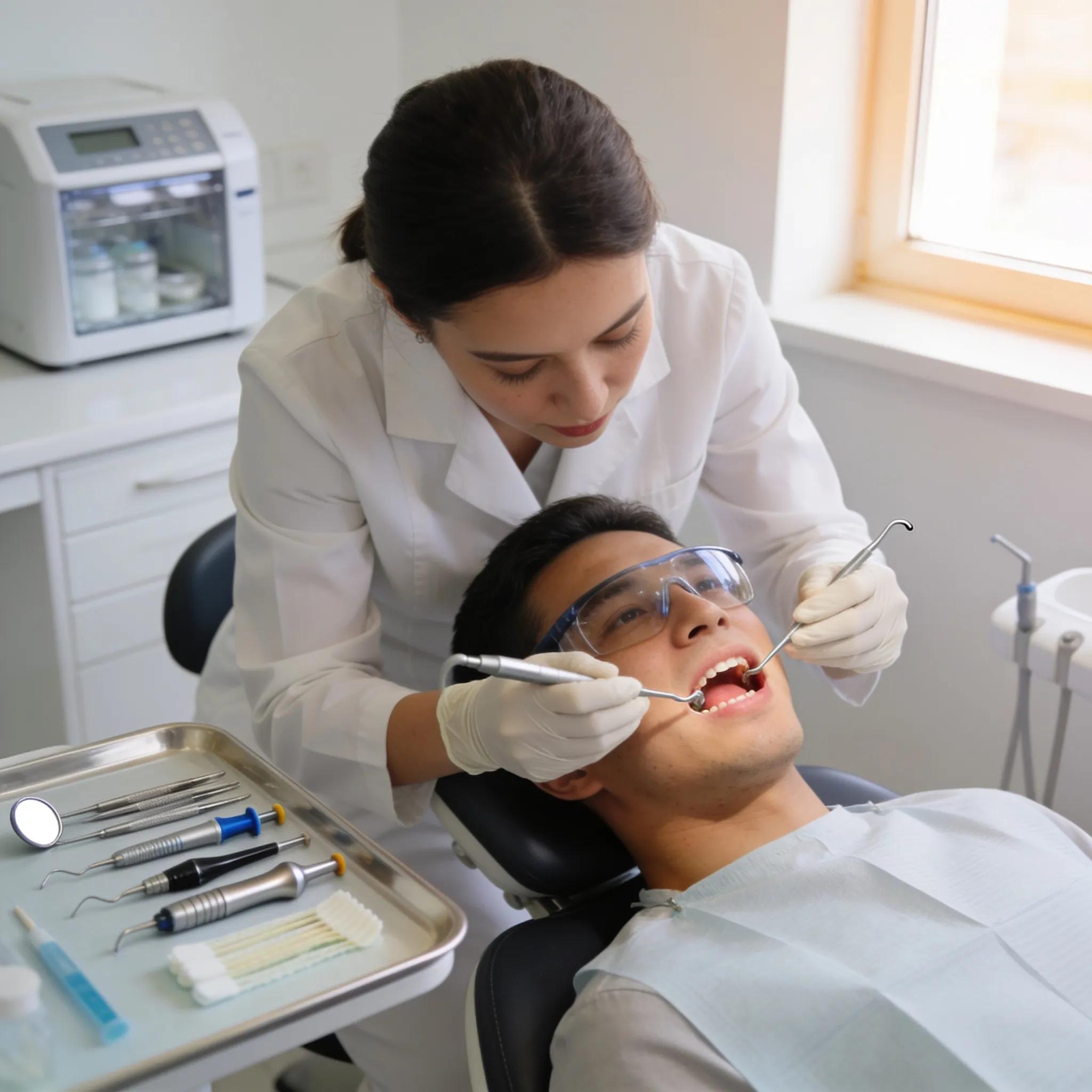
Dental Surgery Specialist
Tooth Extractions
A tooth extraction may be needed when a tooth is damaged beyond repair by decay, trauma, infection, or a severe fracture. Extractions may also be recommended when the mouth is overcrowded and additional space is needed for orthodontic treatment. Before removing a tooth, the dentist should determine whether it can be saved. Depending on the problem, a filling, dental crown, or root canal may provide an alternative. Extraction becomes the more appropriate choice when the tooth cannot support a predictable restoration or when leaving it in place could threaten nearby tissues. Aspiring Smiles provides tooth extractions for patients in Las Vegas. The team evaluates the damaged tooth, discusses available alternatives, and can also plan how the resulting space may be managed. Tooth-replacement options may include a bridge, partial denture, immediate denture, or dental implant, depending on the patient’s circumstances.Wisdom Teeth Removal
Wisdom teeth are the third molars located at the back of the mouth. Some emerge normally and remain healthy. Others become trapped beneath the gums or jawbone, grow at an angle, or develop in an area without enough room. An impacted or poorly positioned wisdom tooth can contribute to pain, infection, decay, gum problems, crowding, cyst formation, or damage to the neighboring molar. The dentist may monitor wisdom teeth that are healthy and properly positioned rather than removing them automatically. Wisdom tooth surgery can range from a simple extraction to a more involved procedure. When a tooth is impacted, the dentist may need to open the gum tissue, remove a small amount of surrounding bone, or divide the tooth into sections so it can be removed safely. Aspiring Smiles offers wisdom teeth evaluations and extraction for qualifying patients.Dental Implant Surgery
Dental implant surgery replaces a missing tooth root with a post placed in the jawbone. After healing, the implant can support a crown, bridge, denture, or full-arch restoration. The procedure begins with a detailed evaluation of the gums, remaining teeth, medical history, and available jawbone. During placement, an opening is made in the gum and the implant is positioned in the bone. The tissues are then closed around or over the implant as appropriate. Healing is an important part of the process. The surrounding bone must integrate with the implant before it can reliably support the final replacement tooth. This may take several weeks or months, although timelines vary based on the treatment design, bone quality, health, and whether temporary teeth can be placed. Aspiring Smiles offers individual implants and full-arch implant options, including All-on-4 treatment. The practice assists patients from the consultation and surgical planning stages through restorative and follow-up care.Bone Grafting
A dental implant needs adequate bone for stability. When a tooth has been missing for an extended period, the jawbone in that area may lose volume. Gum disease, infection, trauma, and previous dental procedures can also affect bone support. Bone grafting adds material to an area that needs greater height, width, or density. The graft creates a framework that supports the body’s bone-regeneration process. Depending on the case, grafting may be performed when a tooth is removed, before implant placement, or at the same time as implant surgery. A bone graft is not required for every implant patient. The decision is based on an oral examination and dental imaging. Aspiring Smiles evaluates the thickness and quality of the jawbone when determining whether grafting may be needed for implant support.
Dental Surgery Service
Soft-Tissue Laser Procedures
Some procedures involving the gums and other soft tissues can be completed with dental laser technology. Aspiring Smiles offers soft-tissue laser dentistry for qualifying patients. Laser treatment may be incorporated into procedures such as gum reshaping, crown lengthening, selected periodontal treatments, or frenectomy care. Because the laser targets a specific area and seals small blood vessels as it works, it may help limit bleeding and swelling in some procedures. Lasers are not appropriate for every type of oral surgery. The dentist must determine whether laser treatment or a conventional surgical method is better suited to the condition.Preparing for Oral Surgery
Preparation depends on the procedure and the type of anesthesia being used. Before surgery, provide a complete list of medications, supplements, health conditions, allergies, and previous reactions to anesthesia. Tobacco, vaping, alcohol, and marijuana use should also be discussed honestly because they can affect anesthesia, bleeding, and healing. Follow the office’s instructions about eating and drinking. Fasting requirements vary, and patients should not decide on their own to fast or take medication differently. When IV sedation or general anesthesia is planned, patients are commonly given specific restrictions and need a responsible adult to drive them home. Prepare soft foods in advance and arrange time away from work, school, exercise, or caregiving responsibilities. Recovery is easier when you are not trying to shop, cook, or manage a demanding schedule immediately after the procedure.Recovery Tips After Oral Surgery
Your dentist’s instructions should take priority because recovery differs by procedure. An uncomplicated extraction may heal differently from a bone graft or several implant placements. For most oral surgeries, the first day should be devoted to rest. Keep your head elevated when lying down, avoid strenuous activity, and take medications exactly as directed. Mild bleeding, swelling, and tenderness can be normal during the early healing period. If gauze has been placed over the area, bite down using the pressure and timing recommended by the dental team. Do not repeatedly remove the gauze to check the site, since disturbing the area may restart bleeding. Apply a cold pack to the outside of the face in short intervals if instructed. Cold therapy is often most helpful during the first one to three days, depending on the procedure.Protect the Blood Clot
After a tooth is extracted, a blood clot forms in the empty socket. This clot protects the underlying bone and nerves while healing begins. Dislodging it can cause a painful complication known as dry socket. Avoid vigorous rinsing, forceful spitting, and drinking through a straw during the early recovery period. The American Dental Association recommends avoiding straws for at least the first 24 hours after an extraction and following the dentist’s specific diet and cleaning instructions. Smoking and vaping can interfere with blood flow and wound healing while increasing the risks of infection, dry socket, and implant complications. Alcohol and marijuana can also affect healing or interact with anesthesia and pain medications. Follow the timeframe given by your provider rather than resuming these substances as soon as you feel better.Choose Soft, Nourishing Foods
During the first stage of recovery, choose foods that require minimal chewing and will not irritate the surgical site. Options may include yogurt, scrambled eggs, oatmeal, mashed potatoes, soup that is not too hot, applesauce, soft pasta, cottage cheese, and protein-rich smoothies eaten without a straw. Avoid hard, crunchy, sticky, highly acidic, or spicy foods until the area has healed enough to tolerate them. Chew on the opposite side when possible and transition back to a regular diet gradually. Nutrition supports healing, so try to include protein and nutrient-rich foods instead of relying entirely on ice cream or sweet drinks. The length of time you need a liquid or soft diet depends on the extent of surgery and your progress.
Dental Surgery