
Root Canal Treatment Near Me
Everything First-Time Patients Need to Know About Root Canal Treatment Near Me
Being told that you may need a root canal can be unsettling, especially when you have never had one before. You may picture a long, painful procedure or worry that the tooth is already beyond saving. In reality, root canal treatment is performed to remove infection, relieve discomfort, and preserve a natural tooth whenever possible.
Modern treatment is often much more manageable than patients expect. The area is numbed before the procedure, and many people return to work, school, or their usual routine shortly afterward. Understanding what happens before, during, and after the appointment can help you feel more prepared.
Aspiring Smiles Dental and Braces provides root canal treatment near me, dental crowns, diagnostic imaging, and restorative care for patients in Las Vegas and surrounding communities. The team also works with patients who feel nervous about dental treatment and takes time to explain what to expect before care begins.
What Is Root Canal Treatment?
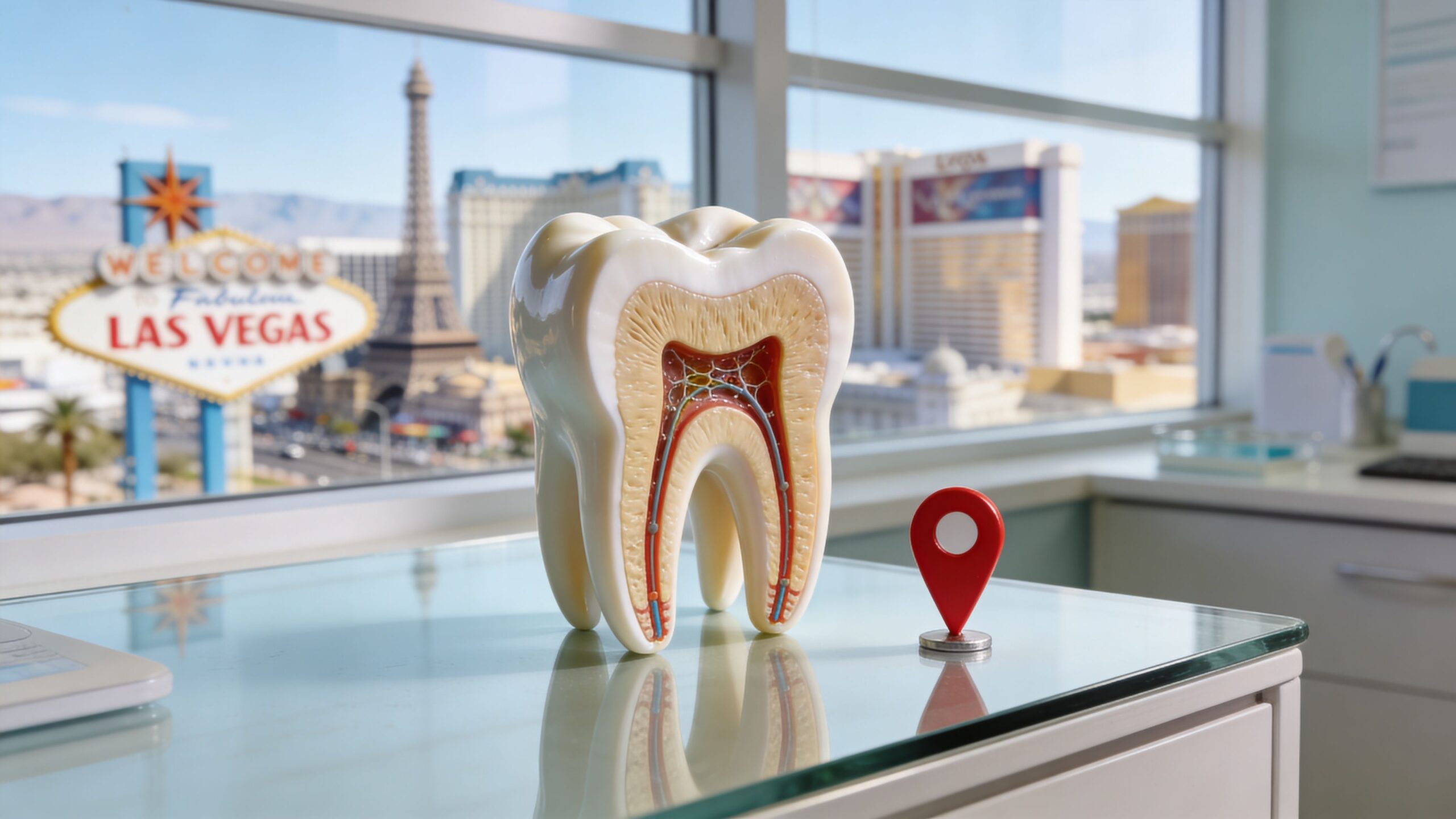
Every natural tooth has a hard outer surface and a softer center containing dental pulp. The pulp includes nerves, blood vessels, and connective tissue that helped the tooth develop.
Deep decay, cracks, trauma, leaking restorations, or repeated dental procedures can allow bacteria to reach this inner tissue. Once the pulp becomes severely inflamed or infected, it may not be able to heal on its own.
During a root canal, the damaged pulp is removed. The small canals inside the roots are cleaned, disinfected, shaped, filled, and sealed. The procedure treats the problem inside the tooth without removing the tooth itself.
Afterward, the tooth usually needs a filling, dental crown, or another restoration to protect its remaining structure and restore normal function.
Why Would a Dentist Recommend a Root Canal?
A root canal is usually recommended when the tissue inside a tooth is infected or irreversibly inflamed but the tooth can still be restored.
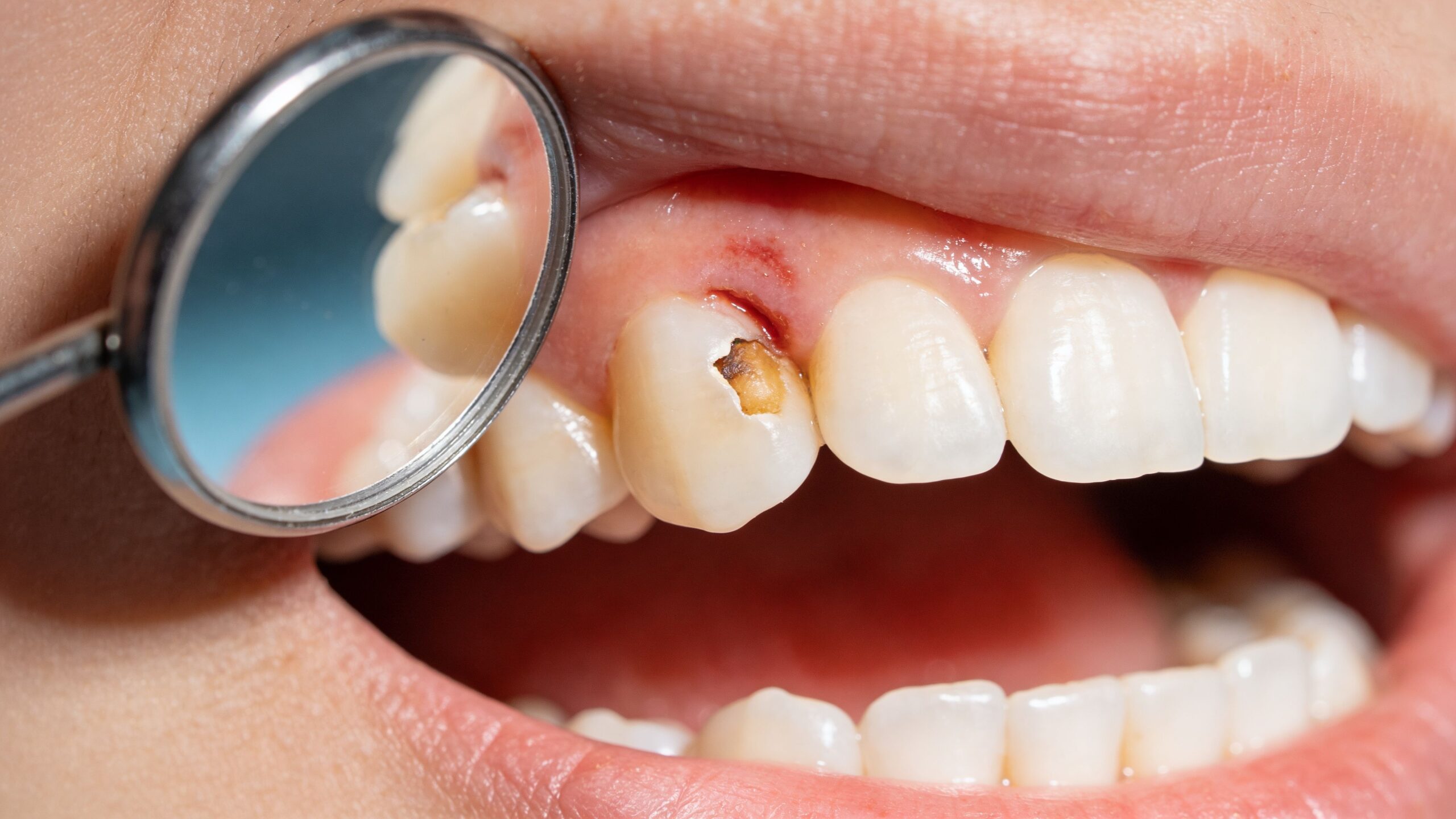
Possible causes include a deep cavity, a crack that reaches the inner tooth, an injury, or decay around an older filling or dental crown. Root canal treatment may also be necessary when a tooth develops an abscess near the root.
Symptoms vary from one patient to another. You may experience persistent pain, discomfort when chewing, lingering sensitivity to heat or cold, swelling, or a pimple-like bump on the gum. A damaged tooth may also become darker.
Not every tooth requiring treatment causes severe pain. If the nerve stops responding, the discomfort may decrease even though infection remains. That is why an examination and dental imaging are more reliable than symptoms alone.
What Happens at the First Appointment?
Your first visit normally begins with a discussion about what you are experiencing. The dentist may ask when the discomfort started, whether it is constant, what triggers it, and how long sensitivity lasts.
The tooth and surrounding gums will then be examined. The dentist may check how the tooth responds to temperature, tapping, biting pressure, or comparison with nearby teeth.
Dental X-rays can show deep decay, changes around the root, older restorations, and problems that are not visible during a regular examination. Aspiring Smiles also has 3D cone beam imaging available when additional detail is clinically useful. Cone beam scans create three-dimensional views of teeth, bone, roots, nerve pathways, and nearby structures, although this type of imaging is not required for every root canal.
Once the evaluation is complete, the dentist should explain whether the tooth can be saved, why root canal treatment is being recommended, and what restoration will be needed afterward.
How Should You Prepare?
Most patients do not need extensive preparation. Unless your dentist gives different instructions, eat a normal meal before the appointment so you are not arriving hungry. Avoid alcohol and tobacco, and get a good night’s sleep when possible.
Bring an updated list of medications, supplements, allergies, and medical conditions. Tell the dental team if you take blood thinners, have heart problems, are pregnant, or have previously experienced a reaction to medication or anesthesia.
Do not stop a prescribed medication without speaking with the healthcare professional who manages it.
This is also the right time to mention dental anxiety. Knowing that you are nervous allows the team to slow down, explain each step, and make the visit feel more predictable.
What Happens During the Procedure?
The dentist begins by numbing the tooth and surrounding area with local anesthetic. A protective dental dam is generally placed around the tooth to keep it isolated from saliva and bacteria.
A small opening is then made in the tooth so the dentist can reach the pulp chamber. The infected or inflamed tissue is removed, and the narrow canals inside the roots are cleaned and shaped.
After the canals have been disinfected, they are filled with a dental material and sealed. The opening in the tooth is then closed with a temporary or permanent filling, depending on the treatment plan.
Some root canals can be completed in one visit. Others may require a second appointment because of the number or shape of the canals, the extent of infection, or the need to place medication inside the tooth temporarily.
A complicated tooth may be referred to an endodontist, a dentist with advanced training in diagnosing and treating problems involving the pulp and roots. A referral can be appropriate for teeth with unusual anatomy, previous root canal treatment, severe trauma, or other complex conditions.
Is a Root Canal Painful?
The infection or inflammation that leads to treatment is often more painful than the procedure itself.
Local anesthetic is used to keep the area numb. The American Association of Endodontists describes modern root canal treatment as generally comparable in comfort to receiving a filling.
You may feel pressure or vibration during the procedure, but you should not feel sharp pain. Tell the dentist immediately if you are uncomfortable so additional anesthetic or other adjustments can be made.
The treated area may remain numb for two to four hours afterward. Avoid chewing until normal sensation has returned so you do not accidentally bite your cheek, lip, or tongue.
What Should You Expect Afterward?
Mild tenderness or sensitivity can occur for a few days, especially when biting. The tissues around the root may need time to settle even though the infected tissue inside the tooth has been removed.
Follow the instructions provided by the dental team. Take medications only as directed and avoid chewing especially hard or sticky foods on the treated tooth until it has received its final restoration.
Many patients can return to work or school shortly after the appointment, although you may prefer a lighter schedule if the treatment was lengthy or you were already experiencing significant discomfort.
Contact the office if you experience severe pain or pressure lasting more than a few days, visible swelling, an allergic reaction, an uneven bite, a lost temporary filling or crown, or the return of your original symptoms.
Rapidly increasing facial swelling, difficulty swallowing, or trouble breathing requires urgent medical attention.
Why Might You Need a Crown?
Root canal treatment addresses the infection inside the tooth, but it does not replace structure already lost to decay, fractures, or old fillings.
Molars and premolars often need crowns because they absorb substantial pressure during chewing. A crown covers the visible portion of the tooth and helps reduce the risk of fracture.
Aspiring Smiles provides custom dental crowns for damaged, decayed, and root canal-treated teeth. The practice’s restorative guidance emphasizes that covering a treated tooth can reinforce it and return it to normal function.
Do not delay the final restoration without discussing it with your dentist. A temporary filling is not intended to provide long-term protection.
How Long Can a Root Canal-Treated Tooth Last?
A successfully treated and properly restored tooth may remain functional for many years. Its longevity depends on the amount of healthy structure remaining, the final restoration, oral hygiene, bite forces, and regular dental care.
Brush twice daily, floss around the treated tooth, and continue attending routine examinations and professional cleanings. Avoid chewing ice, opening packages with your teeth, or placing unnecessary pressure on restorations.
A treated tooth can occasionally develop a new problem months or years later. New decay, a loose restoration, an untreated canal, or a fracture may lead to discomfort. In some situations, retreatment can address the problem and give the tooth another opportunity to heal.
Report new pain, swelling, or changes around a previously treated tooth instead of assuming that nothing more can be done.
How Much Does Treatment Cost?
The price depends on which tooth is involved, the number and complexity of its canals, whether the tooth has been treated before, and the restoration needed afterward.
Front teeth typically have fewer canals than molars. A back tooth can therefore require more time and may cost more to treat. The root canal and final crown may also be billed as separate procedures.
Ask for a written estimate that explains the complete treatment plan rather than only the cost of cleaning the canals.
Aspiring Smiles accepts a variety of insurance plans and offers flexible financing and payment options. The practice also works with patients to identify payment solutions when insurance does not cover the entire treatment.
Insurance benefits vary, so an estimate from the office is not the same as a guarantee of payment from the insurance company.
Root Canal Treatment for Las Vegas Patients
For a first-time patient, the unknown is often the most stressful part of root canal treatment. Once you understand the process, the purpose becomes much clearer: remove infection, control pain, and preserve a natural tooth that is still worth saving.
Aspiring Smiles Dental and Braces provides root canal treatment and restorative care at 3211 N. Tenaya Way, Suite 122, Las Vegas, NV 89129. The office is open Monday through Saturday, accepts new patients, and offers care for adults and children.
To schedule an examination for tooth pain, lingering sensitivity, swelling, or a damaged tooth, call (702) 508-6699. The dental team can identify the cause of your symptoms, explain whether a root canal is appropriate, and guide you through treatment and restoration one step at a time.
Aspiring Smiles Dental and Braces
https://maps.app.goo.gl/CsTiSxHKrUP6EYU58
(702) 803-3442
N Tenaya Wy Suite 122 Las Vegas, NV 89129
https://www.3ddentaltexas.com/