Sleep Apnea Treatment Near Me
Sleep Apnea Treatment Near Me: Which Option Is Right for You?
Waking up tired after a full night in bed can be frustrating. When that fatigue is accompanied by loud snoring, morning headaches, dry mouth, difficulty concentrating, or reports that you stop breathing during sleep, it may be time to investigate whether sleep apnea is affecting your rest.
Searching for “sleep apnea treatment near me” is a sensible first step, but treatment is not the same for everyone. Some people benefit most from positive airway pressure therapy, commonly known as CPAP. Others may qualify for a custom oral appliance, lifestyle changes, positional therapy, surgery, or a combination of treatments.
Aspiring Smiles Dental and Braces provides sleep apnea oral appliance services for qualifying patients in Las Vegas. The dental team can examine your teeth, bite, jaw, and oral health to determine whether your mouth can safely support an appliance. Diagnosis and overall treatment planning should remain coordinated with a physician or sleep medicine provider.
Start With an Accurate Diagnosis
Snoring alone does not prove that someone has sleep apnea. Allergies, nasal congestion, alcohol use, sleeping position, and the anatomy of the nose or throat can also contribute to nighttime noise.
Obstructive sleep apnea occurs when tissues repeatedly narrow or block the upper airway during sleep. Breathing may stop and restart many times, sometimes without the person remembering any awakenings. Warning signs can include loud snoring, choking or gasping, witnessed breathing pauses, daytime sleepiness, morning headaches, mood changes, and difficulty focusing.
A physician or sleep specialist may recommend a sleep study to confirm whether sleep apnea is present and assess its severity. Testing also helps distinguish obstructive sleep apnea from central sleep apnea and other sleep disorders that may require different care.
A dentist can screen for possible warning signs and evaluate oral structures, but patients should not choose a device or treatment based only on symptoms. The safest plan begins with a documented diagnosis and collaboration between the medical and dental professionals involved in your care. The American Dental Association supports this team-based approach, with dentists helping identify risk factors, provide appropriate oral appliances, and monitor dental effects over time.
CPAP and Other Positive Airway Pressure Options
Positive airway pressure, or PAP, is the most common treatment for sleep apnea. A PAP machine delivers air through a mask to keep the airway open while you sleep.
CPAP provides continuous pressure. Other variations include APAP, which adjusts pressure automatically, and BPAP, which provides different pressure levels during inhaling and exhaling. The appropriate machine and settings should be prescribed by a qualified medical provider.
PAP therapy can be especially important for people with more severe obstructive sleep apnea. However, effectiveness depends on using the machine consistently. Some patients experience mask leaks, congestion, dry mouth, skin irritation, noise concerns, or feelings of claustrophobia.
These problems do not necessarily mean PAP treatment has failed. A different mask style, humidification, pressure adjustment, or support from the sleep care team may make treatment more comfortable. Patients should speak with the prescribing provider before stopping CPAP or changing settings.
Custom Oral Appliance Therapy
A custom oral appliance is a removable device worn in the mouth during sleep. Many appliances work by holding the lower jaw in a slightly forward position. This can help stabilize the jaw and tongue and create more room in the upper airway.
Oral appliance therapy may be considered for adults with obstructive sleep apnea who cannot tolerate CPAP or who prefer an alternative after discussing the decision with their sleep physician. Current sleep medicine guidance favors a custom, adjustable appliance provided by a qualified dentist rather than a generic, non-custom device.
Oral appliances are compact, quiet, and do not require electricity. These qualities can make them convenient for travel or for patients who find wearing a mask difficult. They are not, however, simply standard mouthguards. A sleep apnea appliance has a therapeutic purpose and must be fitted, adjusted, and monitored carefully.
At Aspiring Smiles Dental and Braces, qualifying patients have impressions taken so a customized device can be created. They return for a fitting, and additional visits may be necessary to adjust the appliance. Follow-up sleep testing may also be recommended to confirm that the device is controlling breathing interruptions effectively.
Who May Be a Candidate for an Oral Appliance?
Candidacy depends on more than whether someone dislikes CPAP. The dentist needs to evaluate the number and health of the teeth, existing crowns or bridges, gum condition, bite, jaw movement, and jaw joints.
An appliance that moves the lower jaw forward places pressure on the teeth and supporting structures. Active gum disease, significant tooth mobility, insufficient tooth support, untreated decay, or certain jaw-joint problems may need to be addressed before treatment.
Oral appliances are frequently considered for mild to moderate obstructive sleep apnea. They may also be used in selected patients with more severe apnea who cannot tolerate PAP therapy, but that decision requires careful medical oversight.
Patients should also understand the possible side effects. Temporary jaw soreness, increased saliva, dry mouth, tooth discomfort, or morning bite changes can occur. Long-term use can sometimes alter tooth position or the bite, which is why periodic dental examinations are important.
Lifestyle Changes Support Other Treatments
Lifestyle measures may improve sleep apnea, particularly when weight, smoking, alcohol use, or sleeping position contributes to airway obstruction. They are often used alongside CPAP or an oral appliance rather than as a substitute for prescribed treatment.
A healthcare provider may recommend regular physical activity, maintaining a healthy weight, limiting alcohol, quitting smoking, developing consistent sleep habits, and sleeping on your side instead of your back.
Alcohol can relax the tissues around the airway and may worsen nighttime obstruction. Smoking can contribute to inflammation and irritation. Certain sedating medications may also affect breathing, although patients should never discontinue a prescribed medication without speaking with the prescribing clinician.
Weight loss can reduce the severity of sleep apnea for some patients, but people of many body types can develop the condition. A person should not delay testing simply because they do not consider themselves overweight.
Positional Therapy
Some patients experience more breathing interruptions while sleeping on their backs. Positional therapy is intended to encourage side sleeping and reduce the amount of time spent in a position that worsens airway obstruction.
This approach may involve specialized pillows, wearable devices, or behavioral strategies. It is most useful when sleep testing confirms that body position has a meaningful effect on the patient’s breathing.
Positional therapy is not an adequate standalone treatment for everyone. A sleep specialist can determine whether it is appropriate and whether follow-up testing is needed to confirm its effectiveness.
Surgery and Other Medical Procedures
Surgery may be considered when airway anatomy is contributing significantly to obstruction or when nonsurgical treatments have not provided adequate control. The specific procedure depends on where and why the airway is collapsing.
Options can include tonsil removal, removal or repositioning of soft tissue, advancement of the upper or lower jaw, or an implanted device that stimulates the nerve controlling tongue movement.
These treatments require evaluation by an appropriate medical or surgical specialist. Aspiring Smiles does not present surgery as its primary sleep apnea service. Its role focuses on dental evaluation and oral appliance care for appropriate patients.
Treatment for Children Requires a Different Approach
Children with possible sleep apnea should not be treated as smaller versions of adult patients. Warning signs may include snoring, mouth breathing, restless sleep, unusual sleeping positions, bedwetting, irritability, attention problems, or difficulty at school.
A pediatrician or sleep specialist should evaluate these symptoms. Depending on the cause, treatment may involve an ear, nose, and throat specialist, orthodontic evaluation, management of allergies, removal of enlarged tonsils or adenoids, PAP therapy, or another developmentally appropriate option.
Parents should not purchase an over-the-counter appliance or use an adult sleep apnea device for a child. The teeth, jaws, and airway are still developing, and treatment needs careful professional coordination.
How to Choose the Right Treatment
The best treatment is not necessarily the newest, smallest, or least expensive option. It is the one that controls your sleep apnea consistently and fits your medical needs, oral health, lifestyle, and ability to use it every night.
A productive treatment discussion should address several questions:
- What type and severity of sleep apnea do you have?
- Has a physician recommended CPAP, an oral appliance, or another treatment?
- Can your teeth, gums, bite, and jaw safely support an appliance?
- How will the effectiveness of treatment be verified?
- What follow-up care will be required?
Symptom improvement is encouraging, but feeling better does not always prove that breathing and oxygen levels have normalized. Follow-up sleep testing is commonly recommended for oral appliance users so the sleep physician can assess whether treatment is working. Professional guidance also recommends ongoing visits with both the dentist and sleep physician.
What to Expect From Oral Appliance Treatment
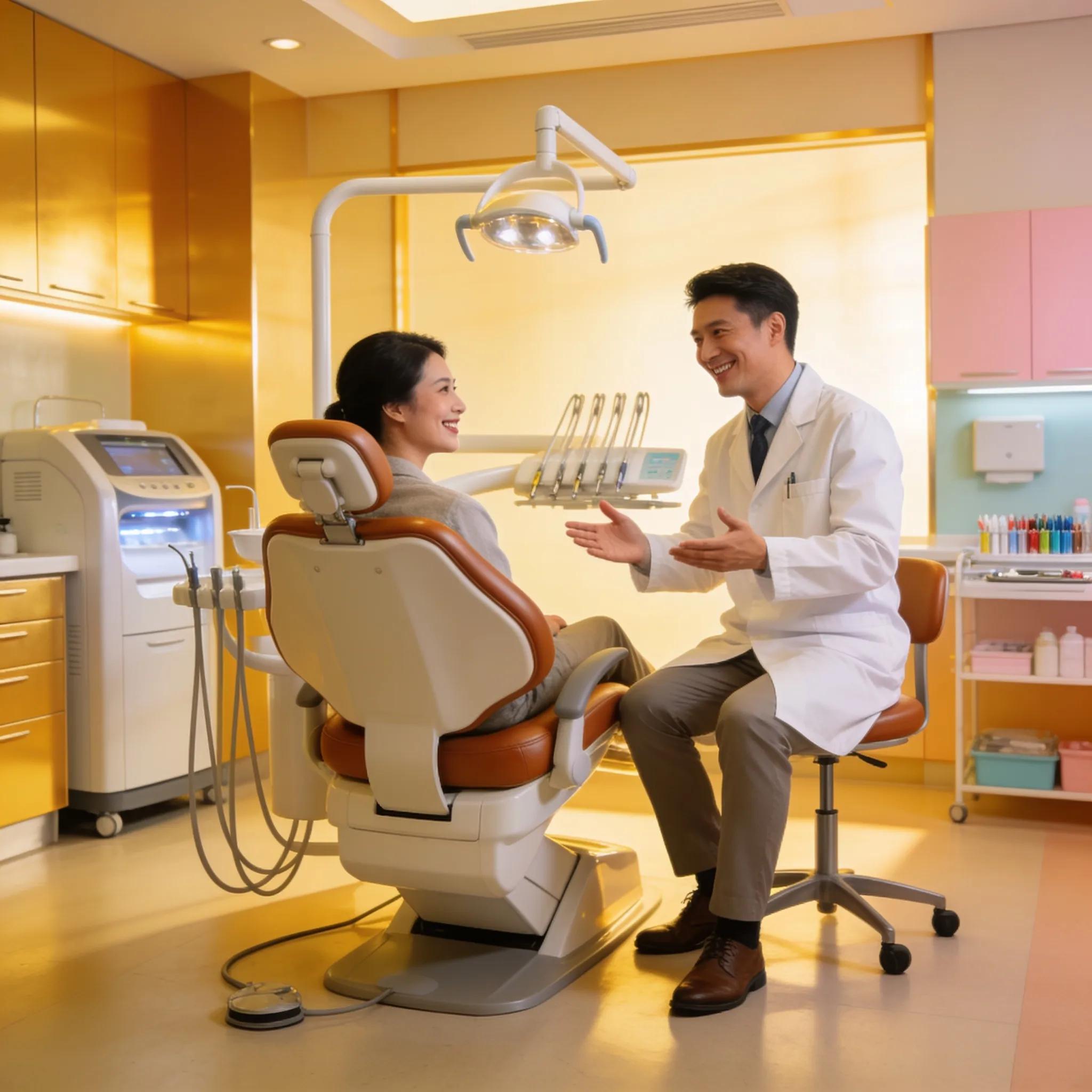
At an oral appliance consultation, the dental team reviews your sleep apnea diagnosis, treatment recommendation, dental history, and current oral health. The dentist examines your teeth, restorations, gums, bite, jaw movement, and jaw joints.
When you are an appropriate candidate, impressions or records are taken to create the appliance. You return for delivery and fitting after it has been fabricated. The dentist explains how to insert, remove, clean, and store it.
The appliance may then be adjusted gradually to find a position that improves airway support without creating unnecessary jaw or tooth discomfort. Once the position has been optimized, follow-up sleep testing may be arranged through the medical provider.
Regular dental visits remain important. The appliance should be checked for wear and fit, while the dentist monitors the gums, teeth, jaw joints, and bite for changes.
Sleep Apnea Oral Appliance Care in Las Vegas
Aspiring Smiles Dental and Braces provides custom oral appliance services for qualifying sleep apnea patients in Las Vegas. The practice emphasizes listening to patients, explaining care clearly, and providing treatment in a comfortable setting. It also accepts a variety of insurance plans and offers financing or other payment options when treatment is not fully covered.
The office is located at 3211 N. Tenaya Way, Suite 122, Las Vegas, NV 89129, and is open Monday through Saturday. Same-day appointments may be available, although sleep apnea appliance treatment requires evaluation, fabrication, fitting, and follow-up rather than a single same-day visit.
When searching for “sleep apnea treatment nearby,” begin with an accurate medical diagnosis. Then work with your sleep provider and dentist to compare CPAP, oral appliance therapy, lifestyle measures, positional treatment, or specialist care.
To schedule a dental sleep apnea or oral appliance consultation, contact Aspiring Smiles Dental and Braces at (702) 508-6699. The team can evaluate your oral health, explain the appliance process, and help determine whether dental sleep apnea treatment belongs in your broader care plan.
Aspiring Smiles Dental and Braces
https://maps.app.goo.gl/CsTiSxHKrUP6EYU58
(702) 803-3442
N Tenaya Wy Suite 122 Las Vegas, NV 89129
https://www.3ddentaltexas.com/