Restorative Dentistry: Restore Your Smile and Oral Health
Restorative Dentistry: Restore Your Smile and Oral Health
A damaged or missing tooth can affect much more than the appearance of your smile. It may change how you chew, create sensitivity, make certain foods uncomfortable, or cause you to avoid smiling in photographs. When one tooth is weakened, the surrounding teeth and bite can also begin carrying more pressure than they should. Restorative dentistry focuses on repairing damaged teeth, replacing missing teeth, and rebuilding normal oral function. Depending on your needs, treatment may be as straightforward as a tooth-colored filling or as comprehensive as replacing several teeth with dental implants, bridges, or dentures. At Aspiring Smiles Dental and Braces, restorative care is available for adults and children throughout Las Vegas and surrounding communities. The practice offers fillings, dental bonding, crowns, bridges, root canal treatment, dentures, dental implants, implant-supported dentures, and full-mouth reconstruction. Each treatment plan is developed around the condition of the patient’s teeth, gums, bite, and long-term goals.What Is Restorative Dentistry?
Restorative dentistry is the area of dental care concerned with repairing or replacing teeth that have been affected by decay, injury, infection, wear, or tooth loss. The goal is not limited to making the smile look better. Restorative treatment also helps patients chew comfortably, speak clearly, maintain a balanced bite, and protect the remaining teeth from additional damage. For example, a filling can stop a cavity from becoming larger. A crown can reinforce a weakened tooth before it fractures. A bridge or dental implant can fill a missing space before neighboring teeth shift into it. Root canal therapy may preserve an infected tooth that might otherwise need to be removed. Aspiring Smiles describes restorative care as a combination of repairing structural damage and preserving the natural appearance of the smile. The right procedure depends on how much damage has occurred and whether the natural tooth can still be saved.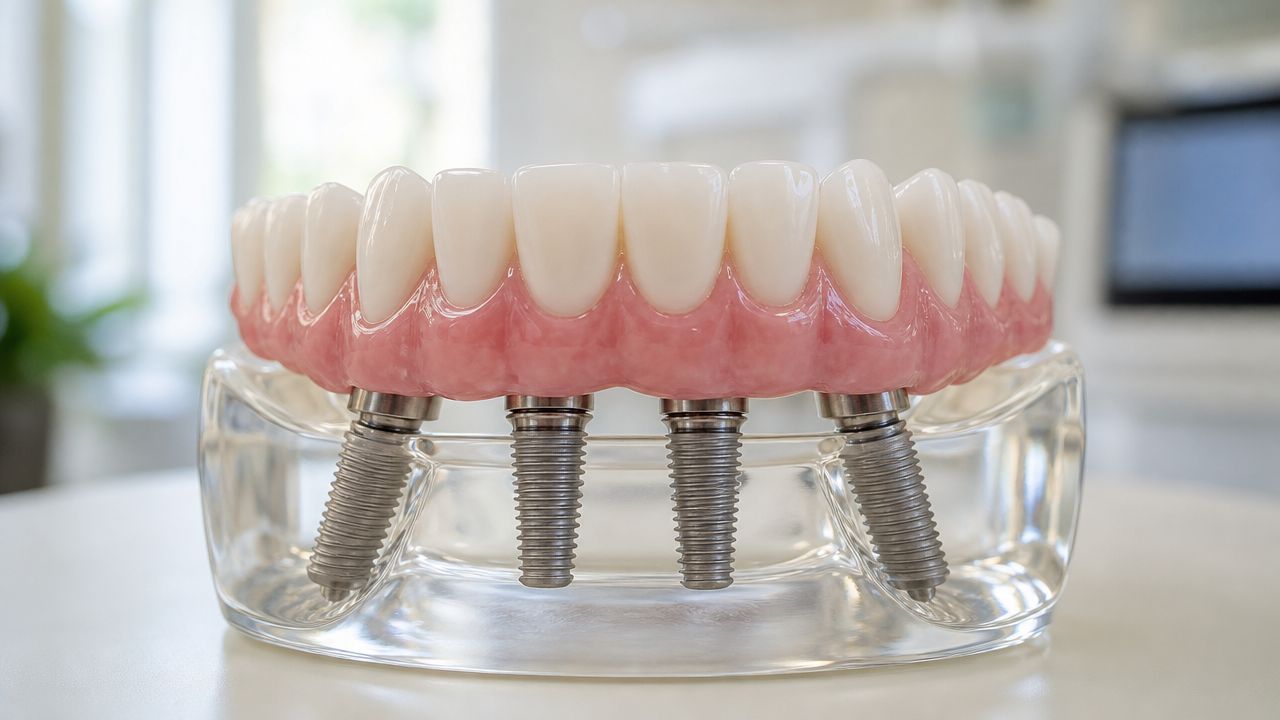
Restorative Dental Treatment
Signs You May Need Restorative Treatment
Some dental problems are obvious. A tooth may break while eating, a filling may fall out, or a visible gap may remain after an extraction. Other concerns develop gradually and may not seem urgent at first. You should schedule an evaluation when you notice ongoing tooth sensitivity, pain while chewing, a chipped or cracked tooth, a loose restoration, or a dark area that may indicate decay. Worn teeth, changes in your bite, bleeding gums, and difficulty eating can also point to problems that deserve attention. Missing teeth should be evaluated even when the gap is not visible when you smile. An empty space can allow nearby teeth to drift, altering the way the upper and lower teeth meet. Uneven pressure may eventually lead to additional wear, jaw discomfort, or damage to the remaining teeth. Restorative care often becomes more complicated when treatment is delayed. A cavity that could have been repaired with a filling may eventually require a crown or root canal. A severely fractured or infected tooth may become impossible to preserve.Tooth-Colored Fillings for Cavities
Dental fillings are among the most common restorative treatments. They are used after decay is removed from a tooth, sealing the opening and restoring the tooth’s shape. Modern tooth-colored materials can be selected to blend with the surrounding enamel. This allows the dentist to repair decay without leaving a highly visible metal restoration. A filling is most appropriate when the damage is limited and enough strong tooth structure remains. If decay has removed a substantial portion of the tooth, a crown may provide more reliable protection. Regular dental examinations remain important because early cavities do not always cause pain. Finding decay while it is still small can help preserve more of the natural tooth and reduce the need for more extensive treatment.Dental Bonding for Minor Damage
Dental bonding uses tooth-colored composite material to repair small chips, uneven edges, minor gaps, and limited areas of damage. The material is applied directly to the tooth, shaped, and polished to blend with the smile. Bonding can often be completed during a single appointment and may require less alteration of the natural tooth than a veneer or crown. It is particularly useful when the concern is relatively minor and the tooth does not need complete coverage. Bonding is not the best option for every damaged tooth. A tooth exposed to heavy biting pressure, repeated breakage, or significant structural loss may need a stronger restoration. Aspiring Smiles evaluates whether bonding, a veneer, a crown, or another treatment will provide the most predictable result for the tooth and the patient’s budget.Dental Crowns Strengthen Weakened Teeth
A dental crown is a custom covering that fits over the visible portion of a damaged tooth. It may be recommended when a tooth has a large cavity, significant fracture, extensive wear, or inadequate strength to support a filling. Crowns are also commonly placed after root canal treatment. Although a root canal removes infection from inside the tooth, the remaining structure may still be weakened by decay, cracks, or a previous large restoration. Covering the tooth with a crown helps protect it from breaking under chewing pressure. Aspiring Smiles offers crowns made from lifelike materials such as porcelain, ceramic, and zirconia. The material can be chosen according to the location of the tooth, the amount of pressure it receives, and how visible it is in the smile. A properly planned crown should do more than cover a tooth. It should fit comfortably against the gumline, meet the neighboring teeth correctly, and allow the patient to bite without feeling that one tooth is striking first.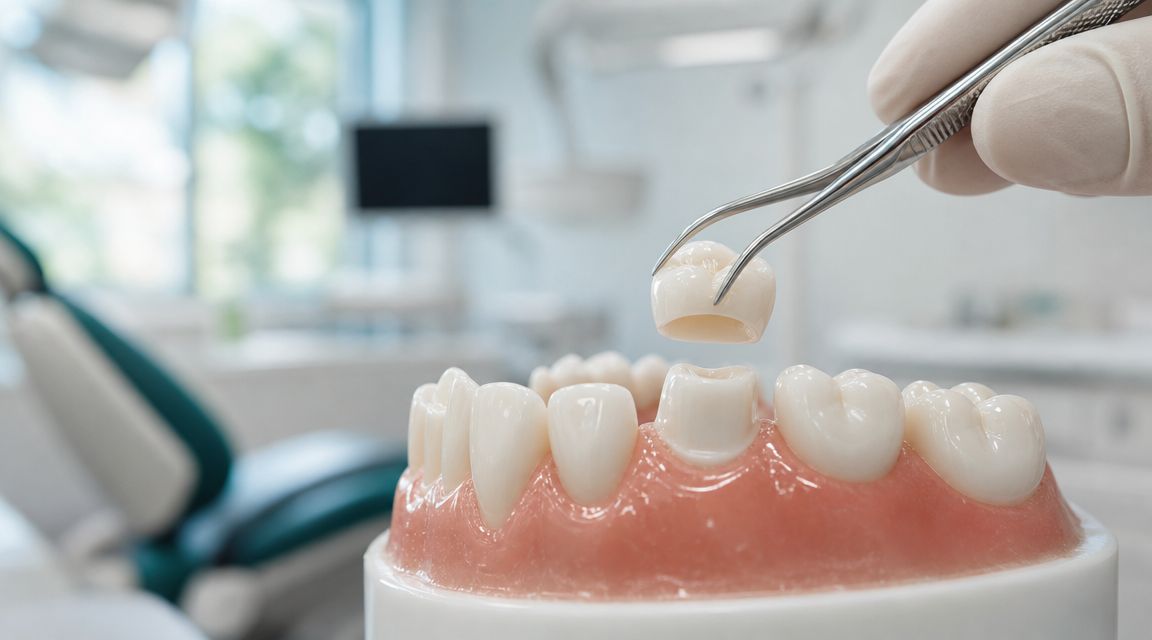
Restorative Dental Crown
Root Canal Therapy Can Save an Infected Tooth
Inside each tooth is soft tissue containing nerves, blood vessels, and connective tissue. Deep decay, cracks, trauma, or leaking restorations can allow bacteria to reach this area. When the tissue becomes infected or irreversibly inflamed, root canal therapy may be the best way to preserve the tooth. The damaged tissue is removed, the internal canals are cleaned and sealed, and the tooth is restored afterward. Aspiring Smiles provides root canal treatment for patients with infected or inflamed teeth. The procedure is intended to relieve dental pain, control infection, and preserve a tooth that remains structurally restorable. Root canal therapy is not appropriate when a tooth is fractured too deeply or lacks enough healthy structure to hold a final restoration. In those situations, extraction and tooth replacement may provide a more predictable result.Dental Bridges Replace Missing Teeth
A dental bridge replaces one or more missing teeth in a row. The artificial replacement tooth is supported by crowns or other attachments connected to neighboring teeth. Filling a missing space can improve appearance and make chewing more comfortable. It also helps reduce the likelihood that nearby teeth will drift into the opening and disturb the bite. Aspiring Smiles offers dental bridges for patients who need a fixed tooth-replacement option. Bridges may be considered when the neighboring teeth are healthy enough to support the restoration or already need crowns. A bridge is not always preferable to a dental implant. The dentist should compare the health of the supporting teeth, available bone, treatment timeline, maintenance requirements, and cost before recommending either option.Dentures and Implant-Supported Dentures
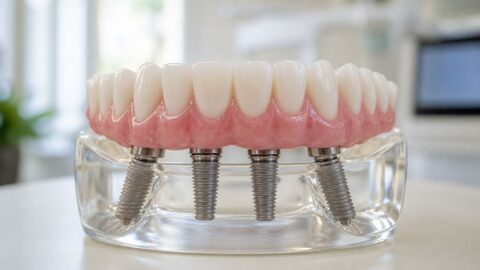
When many or all teeth are missing, dentures can restore the visible smile and help patients eat and speak more comfortably. Options may include full dentures for an entire arch or partial dentures that fit around the remaining natural teeth. Traditional dentures rest on the gums and are removable. Implant-supported dentures use dental implants to add stability and retention. Depending on their design, they may snap onto implant attachments or remain fixed in place. Aspiring Smiles provides traditional dentures, denture adjustments, implant-supported dentures, and full-arch implant options such as All-on-4. These choices allow treatment to be matched to the number of missing teeth, available jawbone, desired stability, and financial considerations.Dental Implants Replace the Tooth Root
A dental implant is a titanium post placed into the jawbone to act as an artificial tooth root. After the implant has integrated with the surrounding bone, it can support a crown, bridge, or denture. Unlike a traditional bridge, a single implant does not normally require the neighboring teeth to be reshaped for support. Because the implant is anchored in the jaw, it also provides a stable foundation for the replacement tooth. Aspiring Smiles offers implant dentistry for patients with one missing tooth, several missing teeth, or more extensive tooth loss. Custom crowns are designed to coordinate with the size, shape, and color of the surrounding teeth. Not everyone is immediately ready for implant placement. Gum health, bone volume, smoking, medical conditions, and oral hygiene can affect candidacy. Some patients may need preparatory care before moving forward.Full-Mouth Reconstruction for Complex Needs
When several dental problems occur at the same time, treating one tooth in isolation may not be enough. Full-mouth reconstruction combines restorative procedures to rebuild the function, health, and appearance of the entire smile. A treatment plan may involve fillings, crowns, bridges, root canal therapy, implants, dentures, or gum care. The exact combination and treatment sequence depend on the patient’s needs. This type of care may be appropriate for someone with multiple missing teeth, extensive decay, widespread wear, repeated fractures, or older restorations that are breaking down. The process should begin with a comprehensive examination rather than a predetermined package of procedures. Each tooth must be evaluated to determine whether it should be restored, monitored, or replaced.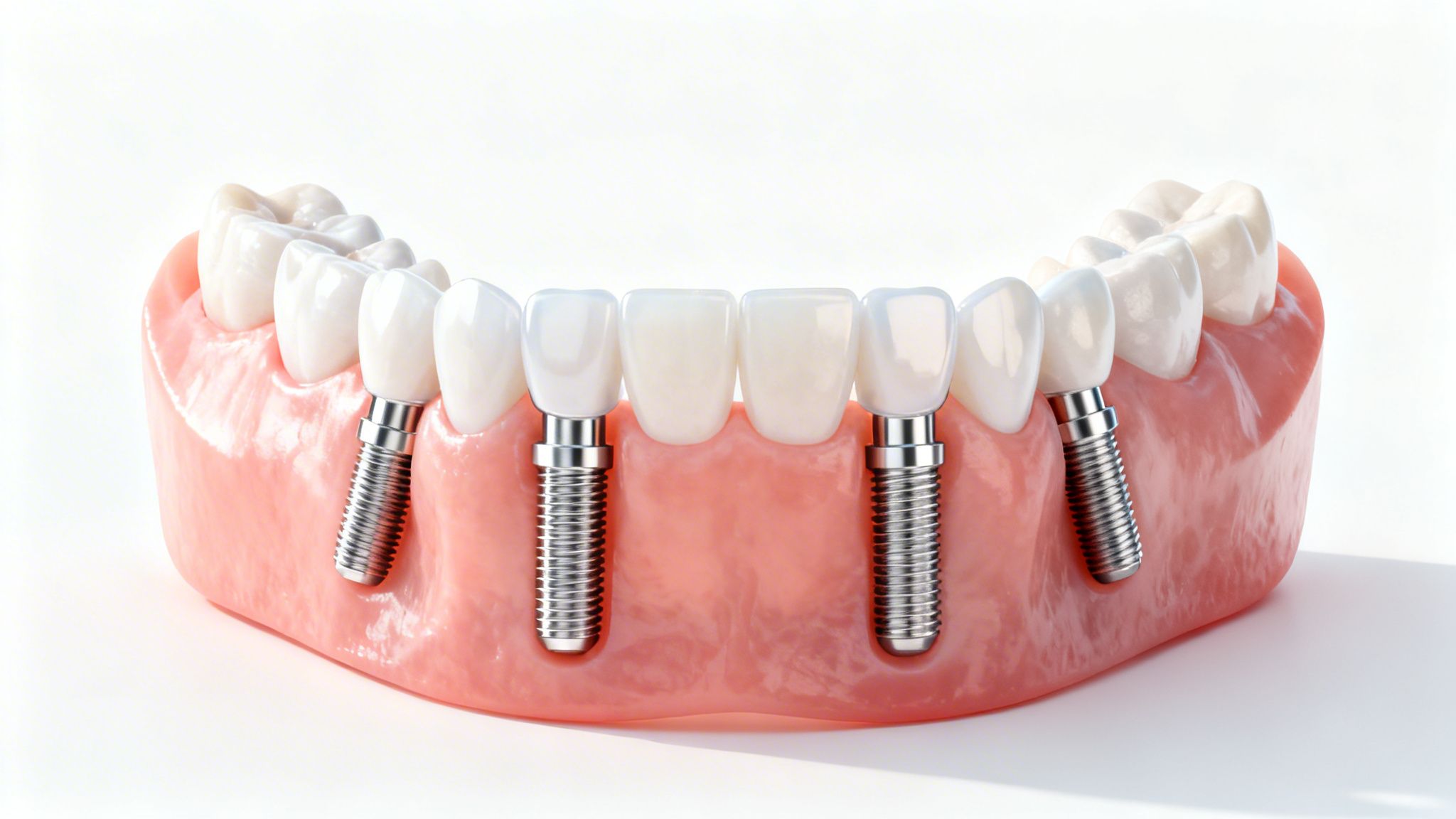
Full Mouth Dental Implants